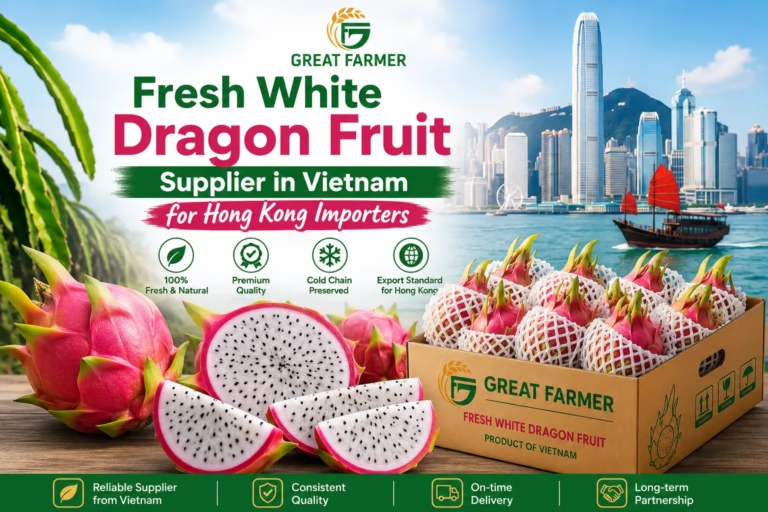

Over the past decade, supermarket shelves across North America, Europe, and East Asia have undergone a remarkable transformation. No longer limited to apples, oranges, or pears, consumers today can easily find vibrant red dragon fruit, ripe mangoes, fragrant passion fruit, and even durian. The “Tropical Fruits” category has evolved from a niche market for connoisseurs into a global, billion-dollar industry.
So, what is driving the growing popularity of tropical fruits worldwide? This article provides a comprehensive overview from their core nutritional value and shifts in global supply chains to the immense commercial opportunities this category presents.
1. What Are Tropical Fruits?
Tropical fruits are those cultivated in tropical or subtropical regions, located between the Tropic of Cancer and the Tropic of Capricorn. These climates are characterized by consistently high temperatures, the absence of frost, and abundant rainfall conditions that create an ideal environment for the growth of diverse and rich plant ecosystems.
Unlike temperate fruits (such as apples, cherries, and peaches), which require a period of cold weather to initiate flowering, tropical fruit trees are highly sensitive to low temperatures. Today, the world’s leading exporters of tropical fruits are primarily concentrated in Southeast Asia (including Vietnam, Thailand, and the Philippines), Latin America (such as Mexico, Brazil, and Costa Rica), and parts of Africa.
The diversity of tropical fruits lies not only in their exotic shapes and vibrant colors but also in their complex flavor profiles ranging from intense sweetness and refreshing tanginess to rich creaminess making them highly versatile and capable of meeting the most demanding needs of the food and beverage (F&B) industry.
2. 5 Core Factors Driving the Popularity of Tropical Fruits
The rise of tropical fruits on the global agricultural map is far from accidental. It is the result of a convergence of multiple factors—from growing health awareness and advancements in logistics to the influence of global culture.
2.1. Exceptional Nutritional Value and Health Benefits
In the wake of global health challenges, consumers are increasingly prioritizing functional foods that support disease prevention and boost immunity. Tropical fruits are widely recognized by medical professionals and nutrition experts as “superfoods” due to their outstanding micronutrient profiles:
-
Vitamin C and Antioxidants: Fruits such as guava, papaya, passion fruit, and mango contain significantly higher levels of Vitamin C compared to many conventional fruits. Vitamin C is a powerful antioxidant that helps neutralize free radicals responsible for cellular damage, thereby contributing to slower aging. In addition, it supports the immune system by enhancing white blood cell function and improving the body’s ability to fight infections. (1) (2) (3)
-
Natural Digestive Enzymes: Pineapple contains bromelain, while papaya is rich in papain—valuable biological enzymes that aid in protein digestion, support smooth gastrointestinal function, and help reduce inflammation. (4) (5) (6) (7)
-
Healthy Fats and Essential Minerals: Avocado is a prime example of a game-changing tropical fruit. It provides high levels of monounsaturated fatty acids (beneficial for cardiovascular health) and potassium (which helps regulate blood pressure). (8)
2.2. Breakthroughs in Cold Chain Logistics
In the past, the biggest barrier for tropical fruits was their short shelf life and high susceptibility to damage during transportation. A dragon fruit shipped from Vietnam to the United States would often take too long to arrive, resulting in quality deterioration by the time it reached port.
Today, this challenge has been effectively addressed through advancements in cold chain logistics.
-
Controlled Atmosphere (CA) Storage: By reducing oxygen levels and increasing CO₂ concentration inside refrigerated containers, this technology effectively “puts fruits to sleep,” slowing down the ripening process without the need for chemical treatments.
-
Irradiation and Hot Water Treatment Technologies: These methods help eliminate pests and pathogens, ensuring compliance with the strict quarantine and phytosanitary standards of demanding markets such as the United States, Japan, and Australia.
-
Optimized Air Freight Transportation: For premium fruit categories, the time from harvest at the farm to supermarket shelves in cities like New York or London can be reduced to as little as 48–72 hours.
2.3. Cultural Exchange and the Rise of Global Tourism
The boom in international tourism has brought millions of Western travelers to Southeast Asia and Latin America. There, they experience the authentic flavors of fruits such as rambutan, mangosteen, and fresh jackfruit. Upon returning home, they carry with them a lasting craving for these unique tastes creating a natural and powerful demand in their domestic markets.
2.4. The Role of Social Media and Emerging Food Trends
Platforms like Instagram, TikTok, and Pinterest have turned vibrantly colored fruits into true “stars” of the digital age.
-
An acai bowl made from acai berries native to the Amazon and topped with fresh fruits has become a symbol of a healthy lifestyle.
-
Smoothies and detox juices made from mango, passion fruit, and fresh coconut have become staple beverages among younger consumers.
-
Veganism: Young jackfruit has emerged as a global phenomenon, as its texture when cooked closely resembles pulled pork, making it an ideal plant-based meat alternative for vegan diets.
2.5. Diversification of Commercial Applications
Tropical fruits are no longer limited to fresh consumption. The processing industry has significantly enhanced their value through a wide range of applications:
-
Dried and Freeze-Dried Fruits: Advanced drying technologies help preserve shape, flavor, and nutritional content, making these products convenient and export-friendly.
-
Fruit Puree: Widely used as a key ingredient in the ice cream, confectionery, and yogurt industries, offering consistent flavor and quality.
-
Natural Extracts for Cosmetics: Tropical fruits are also utilized in the beauty industry, with products such as coconut oil, shea butter extract, and cocoa butter serving as essential ingredients in skincare and personal care formulations.
3. Comprehensive Overview Table of the Most Popular Tropical Fruits Globally
To provide readers and buyers with a clear and practical perspective, below is an analytical summary of the tropical fruits that currently hold the highest commercial value worldwide.
| Fruit Name (English/Vietnamese) | Key Growing Regions | Key Characteristics & Nutritional Value | Advanced Commercial Applications |
|---|---|---|---|
| Mango (Xoài) | India, Southeast Asia, Mexico | High in Vitamins A and C. Rich sweetness with a distinctive aroma. Known as the “King of Tropical Fruits.” | Fresh consumption, puree for beverages, dried products, jams, skincare applications. |
| Dragon Fruit (Thanh Long) | Vietnam, Thailand, Central America | Rich in fiber, prebiotics, magnesium, and antioxidants (betalains in red varieties). Low in calories. | Fresh consumption, natural food coloring, smoothies, GlobalGAP-standard fresh exports. |
| Avocado (Bơ) | Mexico, South America, Central Highlands (Vietnam) | Extremely rich in monounsaturated fats, po tassium, and folate. Smooth, buttery texture. | Culinary use (salads, guacamole), cold-pressed avocado oil for premium cosmetics. |
| Passion Fruit (Chanh Dây) | South America, Vietnam, South Africa | Intense aroma and refreshing tart flavor. High in Vitamin C, iron, and fiber. | Juice concentrate production, key ingredient in pastries and cocktails. |
| Papaya (Đu Đủ) | Central America, Southeast Asia, India | Contains papain enzyme that aids protein digestion. Rich in beta-carotene, supports vision and skin regeneration. | Fresh consumption, salads (Thai/Vietnamese), ingredient in pharmaceutical and cosmetic exfoliation products. |
| Jackfruit (Mít) | South Asia, Southeast Asia | The largest tree-borne fruit in the world. High in energy, Vitamin B, and potassium. Sweet, fibrous flesh. | Fresh consumption, dried snacks. Young jackfruit (canned) used as a plant-based meat alternative. |
| Durian (Sầu Riêng) | Thailand, Malaysia, Vietnam | Highly polarizing flavor and aroma (rich and creamy for enthusiasts). Extremely high economic value and energy content. | Whole fruit export, frozen durian segments, premium ingredient in cakes, ice cream, and chocolate. |
4. Business Opportunities and Investment Potential in the Tropical Fruit Market
From a macroeconomic perspective, the tropical fruit market represents a “gold mine” for countries with favorable climates particularly Vietnam. However, to penetrate deeper into the global value chain, businesses must grasp the key underlying trends:
4.1. Agricultural Standardization (GlobalGAP, Organic, Fair Trade)
Consumers in the EU, the United States, and Japan no longer seek only high-quality fruit they also demand transparency in origin. Products certified as Organic, free from pesticide residues, and compliant with Fair Trade standards are typically priced 30%–50% higher. Exporters are therefore required to implement traceability systems, often through QR codes on individual products, to ensure full supply chain transparency.
4.2. Deep Processing Industry
While selling fresh fruit generates quick cash flow, it also carries a high risk of spoilage. Deep processing is the key to increasing added value. Instead of exporting fresh mangoes alone, investing in products such as no-sugar dried mango, pure mango concentrate, or mango powder can extend shelf life from just a few days to 1–2 years effectively addressing the issue of oversupply and price drops during peak harvest seasons.
4.3. Sustainable Packaging Development
International trade is steadily moving away from single-use plastics. Packaging tropical fruits with biodegradable materials such as natural fiber nets, recycled paper boxes, or pressed banana leaf trays not only protects the products but also creates a strong positive impression among environmentally conscious consumers.
5. Practical Guide: How to Select, Store, and Use Fresh Tropical Fruits
Handling tropical fruits requires a certain level of finesse. Below are practical tips to help you optimize quality, flavor, and nutritional value:
5.1. How to Choose the Best Fruits
-
For juicy fruits (Mango, Papaya): Rely on aroma and touch. A naturally ripened mango will emit a sweet fragrance near the stem, have smooth, slightly glossy skin, and yield gently to pressure without feeling mushy.
-
For avocado: Check the stem. If you remove the small stem cap and see green underneath, the avocado is perfectly ripe. If it appears brown, the fruit is likely overripe or spoiled.
-
For thick-skinned fruits (Dragon Fruit, Mangosteen): Fresh dragon fruit should have bright green, non-wilted bracts (“scales”). For mangosteen, choose fruits with evenly soft skin and avoid those with hard, stone-like patches, which indicate poor quality or internal defects.
5.2. Storage Tips to Preserve Nutritional Value
A common mistake is placing all fruits in the refrigerator immediately after purchase.
-
Unripe fruits (firm avocado, green mango, unripe papaya): Do NOT refrigerate. Cold temperatures halt the ripening process, leading to poor texture and flavor. Instead, store them at room temperature. You can place them near ripe bananas or apples the natural ethylene gas they emit helps accelerate and even out ripening.
-
Ripe fruits: Only refrigerate once fruits are fully ripe. Store them in the fridge at an ideal temperature of 4–8°C. Keep them wrapped in plastic film or sealed containers to prevent moisture loss and odor absorption. For cut fruits, add a few drops of lemon juice to the surface to prevent oxidation and browning.
5.3. Creative Culinary Applications
-
Savory dishes: Use pineapple or green mango in salads, pairing them with shrimp or squid for a balanced flavor profile. Blended ripe mango can also serve as a flavorful sauce for grilled chicken.
-
Beverages: Try a nutrient-rich tropical smoothie: blend ½ avocado, ½ mango, passion fruit juice, and plant-based milk (such as almond or oat milk). This combination is both filling and packed with essential nutrients.
6. The Future of the Global Tropical Fruit Industry
Looking ahead, the tropical fruit industry is expected to maintain strong growth, with an impressive compound annual growth rate (CAGR). However, it also faces significant challenges from climate change. Rising temperatures and increasingly extreme weather patterns pose direct threats to yields in traditional growing regions.
To ensure sustainable development, future trends will focus on:
-
Breeding New Varieties: Developing fruit varieties that are more resistant to drought and salinity, while also offering longer shelf life.
-
Precision Agriculture: Leveraging AI, IoT (Internet of Things), and smart irrigation systems to optimize the use of water and fertilizers, while minimizing environmental impact.
-
Expansion of E-commerce: Enabling direct-to-consumer (D2C) models through cross-border platforms, allowing farmers to sell directly to end users and retain a larger share of profits.
Conclusion
Tropical fruits are no longer simply considered exotic or luxury desserts. They have become an essential part of a healthy diet for billions of people, while also serving as a key economic pillar for many agricultural nations. Their growing global popularity is a testament to the continuous efforts of the entire supply chain from farmers in tropical regions to food technology experts. With exceptional flavors, undeniable health benefits, and vast commercial potential, the appeal of tropical fruits is set to expand even further in the decades to come.
Great Farmer – A Pioneer Brand Bringing Tropical Fruits to the Global Market
In today’s increasingly demanding international market, professional export brands play a crucial role in connecting tropical fruits with global consumers. Great Farmer stands out as a leading and trusted agricultural exporter.
More than just a supplier, Great Farmer positions itself as a partner in sustainable agriculture committed to delivering authentic flavors and full nutritional value to even the most stringent markets.
Key strengths of Great Farmer:
- International-Standard Quality: Sourced from GlobalGAP and VietGAP-certified farms, ensuring safety, traceability, and zero harmful residues.
- Advanced Logistics & Cold Chain: Modern post-harvest and cold chain systems preserve freshness, taste, and nutritional value across long-distance transportation.
- Sustainable Value Chain: Close collaboration with local farmers, technology transfer, and support for sustainable farming practices.
👉 Partner with Great Farmer for a reliable, high-quality tropical fruit supply and contribute to a greener, more sustainable agricultural future.
Contact us:
📞 Phone / WhatsApp/ Line: +84 836314437
📧 Email: hoang.nguyen@greatfarmer.com.vn
🌐 Website: www.greatfarmer.com.vn
 Blog & News