In the modern world of cuisine and nutrition, bell peppers have consistently held an important position thanks to their vibrant colors, appealing flavor, and outstanding nutritional value. However, when browsing through supermarkets or clean food stores, you may easily notice the increasingly common presence of small, colorful packs of Baby Bell Peppers placed alongside the larger Regular Bell Peppers.
This raises an important question for both consumers and chefs: what exactly is the real difference between them? Are baby bell peppers simply immature versions of regular ones, or do they offer entirely distinct characteristics and values? This in-depth article will provide you with a comprehensive and accurate perspective on these two types of produce, helping you make the most suitable choice for your household needs as well as your culinary business operations.
1. Understanding Baby Bell Peppers and Regular Bell Peppers
Before diving into a detailed comparison, it is essential to clarify the biological nature and origins of these two types of bell peppers. A very common misconception is that baby bell peppers are simply regular bell peppers harvested early. This is entirely inaccurate.
1.1. What Are Baby Bell Peppers?
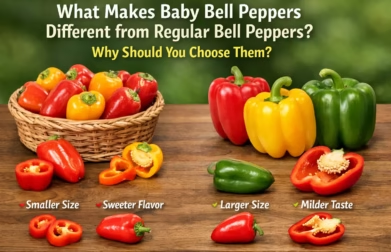
Baby Bell Peppers are specially developed natural cultivars that have been selectively bred to maintain their small size even when they reach full maturity. Well-known varieties include ‘Tribelli’ and ‘Tinkerbell’.
Their defining characteristic is that they fully develop flavor, sweetness, and complete color transformation (red, yellow, orange) while remaining only about 5 to 7 cm in size. They are not genetically modified organisms (GMOs), but rather the result of decades of traditional breeding aimed at meeting consumer demand for a convenient, sweet, and low-seed snacking vegetable.
1.2. What Are Regular Bell Peppers?
Regular bell peppers belong to the species Capsicum annuum. They are larger in size, have a high water content, thick outer walls, and a spacious inner cavity filled with seeds. Depending on the stage of harvest, they may appear green (immature, with a slightly bitter and grassy flavor) or turn yellow, orange, or red (fully ripe, sweeter, and richer in vitamin C).
Typically about the size of an adult hand, regular bell peppers are ideal for dicing, stir-frying, or stuffing with generous amounts of ingredients.
2. Five Core Differences: Baby Bell Peppers vs. Regular Bell Peppers
To help you clearly visualize and distinguish between the two, we have summarized the five most significant differences. These factors not only influence preparation methods but also shape your overall culinary experience.
2.1. Size, Shape, and Weight
-
Regular bell peppers: Typically large and bell-shaped with multiple lobes (usually 3–4 at the base). Each pepper weighs approximately 150g to 250g. Their size makes them ideal as a main ingredient or as a vessel for stuffed dishes.
-
Baby bell peppers: Compact and often elongated or teardrop-shaped. Each pepper weighs around 20g to 40g. Their small, bite-sized form makes them highly convenient for snacking and quick use.
2.2. Flavor and Sweetness (Brix Index)
-
Baby bell peppers: This is their strongest selling point. Due to a denser structure and slightly lower water content compared to regular peppers, their natural sugars are more concentrated. As a result, their Brix level (a measure of sweetness) is typically higher. They offer a rich, clean sweetness with no bitterness, making them perfect for raw consumption.
-
Regular bell peppers: Known for their fresh, watery taste. Green peppers (immature) can be slightly bitter and grassy, while red, yellow, and orange varieties are sweeter but have a more diluted and less intense sweetness compared to baby peppers.
2.3. Skin Texture and Crispness
-
Baby bell peppers: Have a very thin, tender skin while still maintaining a satisfying crunch when bitten. Because of the thin skin, they cook quickly and do not leave any unpleasant residue in the mouth.
-
Regular bell peppers: Feature thicker skin and flesh with higher water content. In some refined dishes, chefs often roast or blanch them first to remove the outer skin, achieving a smoother texture.
2.4. Seed Content and Core Structure
-
Baby bell peppers: Contain very few seeds, with a small and compact core. In most cases, simply removing the stem is enough, allowing you to consume almost the entire fruit without additional preparation.
-
Regular bell peppers: Have a large hollow cavity filled with seeds and white membranes (which can carry a slightly bitter taste). Preparation typically requires cutting them open, removing the core, and cleaning out numerous seeds.
2.5. Price and Availability
-
Baby bell peppers: Due to more labor-intensive harvesting and lower yield per plant (by weight), they are usually priced 1.5 to 2 times higher than regular bell peppers. They are often sold in mixed-color packs (red, yellow, orange) at premium supermarkets.
-
Regular bell peppers: Widely available and more affordable. They can be easily found in traditional markets and supermarkets, typically sold by weight.
3. Visual Comparison Table
Below is a summary table that provides a clear and quick side-by-side comparison of the two types of bell peppers:
| Criteria | Regular Bell Peppers | Baby (Mini) Bell Peppers |
|---|---|---|
| Variety Type | Standard Capsicum annuum varieties with large size | Naturally bred cultivars designed to remain small at full maturity |
| Size | Large (10–15 cm), classic bell shape | Small (5–8 cm), elongated or teardrop-shaped |
| Sweetness (Brix) | Moderate, high water content, mild flavor | Higher, more concentrated sweetness, no bitterness |
| Skin Thickness | Thick, sometimes peeled in Western cuisine | Very thin, smooth to eat raw without residue |
| Seed Content | Many seeds, requires time to clean | Very few or almost none, minimal preparation needed |
| Convenience | Needs slicing or chopping before use | Can be eaten whole, perfect for snacking and on-the-go |
| Price Level | Affordable, economical for bulk use | Higher-priced (premium), positioned as a healthy snack |
| Main Applications | Stir-frying, stewing, stuffing whole, juicing | Raw snacking, salads, roasting whole, cheese stuffing |
4. Nutritional Value Analysis: Small but Powerful
Many consumers wonder whether the smaller size of baby bell peppers reduces their nutritional value. According to nutrition experts, the answer is: not at all. In some cases, they can even be more nutrient-dense.
Both types of bell peppers are considered “superfoods,” particularly for their exceptionally high Vitamin C content.
-
Rich in Vitamin C: A 100g serving of bell peppers regardless of type provides more than 100% of the recommended daily intake of Vitamin C for adults. This essential nutrient plays a key role in strengthening the immune system, stimulating collagen production for healthy skin, and enhancing iron absorption from food. (1) (2)
-
Vitamin A and Beta-Carotene: Red and orange bell peppers (both regular and baby) are especially rich in beta-carotene, a precursor of Vitamin A. This nutrient is crucial for vision health, maintaining the cornea, and supporting the function of white blood cells.(3)
-
Abundant Antioxidants: Bell peppers contain a variety of powerful antioxidants such as flavonoids, lutein, and zeaxanthin. These compounds help neutralize free radicals, reduce inflammation, and support the prevention of chronic diseases such as cardiovascular conditions and type 2 diabetes. (3) (4) (5)
-
Low in Calories, High in Fiber: Both types are excellent for weight management diets (such as Keto or Clean Eating). A 100g serving contains only about 20–30 calories while providing a meaningful amount of dietary fiber, helping you feel full longer and supporting healthy digestion.(6)
A Subtle Difference: Due to their slightly lower water content and denser flesh, baby bell peppers may contain marginally higher concentrations of natural sugars and sometimes slightly more Vitamin C per 100g compared to regular bell peppers. However, this difference is nutritionally negligible from a medical perspective.
5. Why You Should Choose Baby Bell Peppers (Practical Benefits)
Despite their higher price point, baby bell peppers are becoming a “rising star” on premium grocery shelves. Below are the key commercial and practical reasons why you should consider adding them to your basket:
5.1. The Ultimate Healthy Snack
In today’s fast-paced lifestyle, finding a snack that is both delicious and weight-friendly can be challenging. Baby bell peppers solve this perfectly. You can easily bring a box of them to the office and enjoy their crisp, juicy sweetness to curb mid-day hunger without reaching for sugary snacks. No knife, no cutting board needed just wash and eat.
5.2. A Kid-Friendly Solution for Picky Eaters
Children are often sensitive to the slightly pungent taste of vegetables. The cute mini size and vibrant colors of baby bell peppers naturally attract their attention. More importantly, their fruity sweetness can “trick” the taste buds, helping parents incorporate more Vitamin C into their child’s diet without resistance. They are perfect for adding to school lunchboxes or Bento meals.
5.3. Reducing Food Waste (Zero Food Waste)
When using large bell peppers, you may only need half or a quarter for a dish. The remaining portion, if not stored properly, can quickly spoil and go to waste. With baby bell peppers, you use exactly what you need whole and portion-controlled. Additionally, the minimal seeds and core mean less trimming, maximizing the value of every purchase.
5.4. High Aesthetic Value for Premium Dining
In both the F&B industry and home entertaining, presentation matters. Whole, glossy baby bell peppers in vibrant red, yellow, and orange add a refined and professional touch when displayed on charcuterie boards, BBQ skewers, or salads. Their visual appeal elevates the overall dining experience far beyond sliced regular peppers.
6. Cooking Suggestions: Let Each Dish Shine
The best way to truly appreciate the differences is through hands-on culinary application. Below are ideal use cases to maximize the unique characteristics of each type of bell pepper:
6.1. When Should You Use Regular Bell Peppers?
-
Classic Stuffed Peppers: With their large cavity and sturdy walls, regular bell peppers are perfect for stuffing generous portions of rice, ground meat, onions, and cheese before baking.
-
Stir-fries and Mexican-Style Fajitas: When sliced into strips, large bell peppers hold their shape well under high heat, making them ideal for stir-fried mixed dishes or fajitas while providing substantial volume.
-
Vegetable Juices: Thanks to their high water content, regular bell peppers yield a good amount of juice. They pair well with celery, apples, and carrots to create refreshing detox juices.
6.2. Three Must-Try Recipes with Baby Bell Peppers
Cream Cheese Stuffed Mini Peppers
-
-
Ingredients: 10 baby bell peppers, 100g cream cheese (softened at room temperature), chopped green onions, crispy bacon bits, black pepper.
-
Instructions: Slice the baby peppers lengthwise and gently tap to remove any seeds (if present). Mix the cream cheese with green onions and black pepper until well combined. Use a small spoon to fill each pepper half with the cheese mixture. Sprinkle bacon bits on top. Bake in an oven or air fryer at 180°C (356°F) for 8–10 minutes until the cheese is soft and melted and the peppers are lightly charred. This is a perfect appetizer for parties.
-
6.2. Roasted Baby Peppers with Garlic & Olive Oil
-
Ingredients: 1 bag of whole baby bell peppers, 3 tablespoons extra virgin olive oil, 4 crushed garlic cloves, sea salt, rosemary.
-
Instructions: Wash the peppers thoroughly and let them dry completely. Toss them whole with olive oil, garlic, sea salt, and rosemary. Spread evenly on a baking tray. Roast at 200°C (392°F) for 15–20 minutes. The skins will slightly blister and char, while the peppers soften and release a rich, honey-like sweetness. Best served with toasted bread or steak.
6.3. Three Fresh Mini Pepper Salad Boats
-
Instructions: No cooking required. Slice the baby peppers in half and use them as small “boats” to scoop dips such as hummus, guacamole, or Greek yogurt tzatziki. The crisp sweetness of the peppers combined with the creamy richness of the dips creates a refreshing, flavorful snack that awakens the senses.
7. Expert Tips for Selecting and Storing Bell Peppers
Whether you choose baby or regular bell peppers, following these expert guidelines will help you maintain optimal flavor, freshness, and shelf life:
7.1. Buying Guide
-
Check the skin: Look for peppers with smooth, glossy, and firm skin. Avoid those with wrinkles, soft spots, dark blemishes, or signs of wilting.
-
Feel the weight: A fresh pepper should feel heavy for its size, indicating high water content and crisp flesh.
-
Inspect the stem: The stem should be fresh and green. A শুকনা or brown stem is a sign that the pepper has been harvested for a long time and may no longer be at peak freshness.
7.2. Storing Guide
-
“Do Not Wash Before Storing” Rule: Avoid washing bell peppers until you are ready to eat or cook them. Moisture on the surface accelerates spoilage and promotes mold growth.
-
Refrigeration: Store peppers in a perforated zip bag or mesh bag and place them in the crisper drawer of your refrigerator. Regular bell peppers can stay fresh for 1–2 weeks, while baby bell peppers typically have a slightly shorter shelf life and are best consumed within 7–10 days.
-
Freezing: If you cannot use them in time, freezing is a great option. Wash, remove stems and seeds, then slice or dice as desired. Spread them on a tray to freeze individually before transferring to a zip bag. Note: thawed peppers will lose their crisp texture and are best suited for cooked dishes like soups, stews, or stir-fries rather than raw consumption.
8. Health Considerations When Consuming Bell Peppers
Although bell peppers offer numerous health benefits, there are a few considerations to keep in mind when incorporating them into your diet:
-
Oral Allergy Syndrome (OAS): Some individuals who are allergic to pollen may experience cross-reactions when eating raw bell peppers. This can cause mild itching or tingling in the mouth and throat. Cooking the peppers usually denatures the allergenic proteins, making them safer to consume.
-
Digestive Sensitivities: Bell peppers belong to the nightshade family. Individuals with severe irritable bowel syndrome (IBS) or sensitivity to nightshades may experience bloating or digestive discomfort, especially from the thicker skin of regular bell peppers. In such cases, peeling the skin before consumption or opting for baby bell peppers with their much thinner, easier-to-digest skin can be a more suitable alternative.
9. Frequently Asked Questions (FAQs)
To provide a deeper and more practical perspective, here are the most common questions about baby bell peppers and regular bell peppers:
Q1: Can I substitute baby bell peppers for regular bell peppers in recipes?
Answer: Absolutely. A general rule of thumb is that about 3 to 4 baby bell peppers equal the volume of one medium-sized regular bell pepper. Keep in mind that baby peppers are sweeter and have thinner skin, so they cook faster. Adjust your cooking time and heat accordingly to avoid over-softening.
Q2: Why are baby bell peppers usually sold in red, yellow, and orange, but rarely green?
Answer: Green bell peppers are למעשה unripe peppers. The core value and market positioning of baby bell peppers lie in their natural sweetness for snacking. If harvested while still green, they would not reach the ideal Brix level (sweetness) and would retain a slightly bitter taste losing their key appeal. Therefore, growers typically allow them to fully ripen and develop vibrant colors before harvesting.
Q3: Is it difficult to grow baby bell peppers at home?
Answer: Not at all. Growing baby bell peppers is quite similar to growing regular peppers. In fact, they are even more suitable for home gardening in pots or small balcony spaces, as their root systems and plant size are more compact. Key requirements include well-drained soil, sufficient sunlight (at least 6–8 hours daily), and moderate watering. The growing cycle typically takes about 70–80 days from seed to harvest.
Q4: Are the seeds of regular bell peppers toxic, and is that why they are usually removed?
Answer: No, bell pepper seeds are completely non-toxic. They are typically removed for culinary reasons rather than safety concerns. The seeds can be slightly hard and may disrupt the smooth texture of a dish, while the white membrane surrounding them can have a mildly bitter taste. In contrast, baby bell peppers have very small and tender seeds, so consuming them whole does not affect the eating experience.
Conclusion: Which Bell Pepper Is Right for You?
In summary, both regular bell peppers and baby bell peppers offer outstanding nutritional value and deserve a place in your daily diet. Your choice ultimately depends on your intended use and lifestyle preferences:
-
Choose Regular Bell Peppers when preparing large family meals, stews, stir-fries, detox juices, or when you need large “natural bowls” for stuffed pepper dishes. They are a cost-effective, widely available, and versatile option for traditional cooking.
-
Upgrade your culinary experience with Baby Bell Peppers when you prioritize convenience and are looking for a healthy, nutrient-rich snack for yourself or your children. With their thin skin, superior sweetness, minimal seeds, and no need for complex preparation, they are a “star ingredient” for salads, BBQ platters, or premium lunchboxes.
Whatever your choice, always prioritize fresh, high-quality, and ideally organic produce from reputable suppliers to ensure both flavor and food safety. Start refreshing your kitchen today by incorporating these vibrant, colorful peppers into your creative recipes!
 Blog & News