1. Foreword: The New Global Standing of Vietnam’s “Green Gold”
In the Vietnamese collective consciousness, bananas are among the most familiar plants. They grow in backyard gardens, along fertile riverbanks, and across even the most marginal hillsides. Priced so affordably that almost anyone can buy them, bananas are often overlooked despite their immense nutritional and economic value.
Yet the world is reassessing the true worth of bananas. No longer merely a dessert fruit, bananas are increasingly recognized as a strategic agricultural commodity, generating hundreds of millions of USD in export revenue each year. This article offers a comprehensive, in-depth perspective on Vietnamese bananas a crop that may be humble in price, but is by no means ordinary in value.
2. Mapping the Popular Banana Varieties of Vietnam
Vietnam’s tropical monsoon climate provides ideal conditions for an exceptional diversity of banana cultivars. Rather than a single type, the country is home to dozens of banana varieties, each with distinct flavors, shapes, and end-use applications.
2.1. Cavendish Banana – The “King” of Bananas
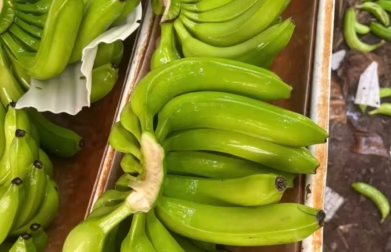
This is the most widely cultivated banana variety in Vietnam and the primary type grown for export markets.
Characteristics: The fruit is long and crescent-shaped. When unripe, the peel is deep green; as it ripens, it turns bright yellow and may develop small black spots (often referred to locally as “trứng cuốc” bananas).
Flavor Profile: The flesh is pale yellow, highly aromatic, richly sweet, and soft in texture.
Seasonality: Available year-round, with peak eating quality typically during the winter season.
2.2. ABB Group Bananas (Chuoi Tay / Chuoi Su / Chuoi Xiem)
A truly “national” banana variety in Vietnam, widely used for offerings, home consumption, and traditional cooking.
- Characteristics: The fruit is short, thick, and plump, tapering slightly at both ends. The peel is noticeably thicker than that of Cavendish bananas.
- Flavor Profile: Mild sweetness with a subtle hint of acidity; the flesh is firmer and chewier than Cavendish bananas.
- Uses: Consumed fresh or commonly used in traditional dishes such as banana ice cream, grilled sticky rice bananas (chuối nếp nướng), and sweet soups (chè).
2.3. Wild Seeded Banana (Chuoi Hot) – A Valuable Medicinal Plant
Unlike dessert bananas, this variety is not consumed fresh but is primarily used in traditional medicine.
- Characteristics: Large fruit containing numerous hard, black seeds inside.
- Traditional Uses: The fruit is commonly sliced and sun-dried for infusion in alcohol (chuối hột wine). In Vietnamese traditional medicine, it is believed to help relieve lower back pain, muscle aches, and to support kidney health, including conditions related to kidney stones.
2.4. Wax Banana (Chuoi Sap) – A Specialty of Vietnam’s Mekong Delta
A “unique” banana variety that cannot be eaten raw.
- Characteristics: Small, short, and plump fruits.
- How It’s Used: The bananas must be boiled before consumption. Once cooked, the natural sugars concentrate in the center, and the flesh becomes dense, sticky, and waxy in texture traditionally enjoyed with rich coconut milk for a distinctive local delicacy.
Comparison Table of Popular Vietnamese Banana Varieties
To help readers easily distinguish between the main banana types in Vietnam, we summarize the key information in the table below:
| Banana Variety | Distinctive Shape | Flavor & Texture | Main Uses | Commercial Value |
|---|---|---|---|---|
| Cavendish Banana | Long, curved, bright yellow peel | Richly sweet, soft, highly aromatic | Fresh consumption, export, smoothies | High (Strong export demand) |
| ABB Bananas (Chuối Tây / Chuối Sứ) | Short, plump, thick peel | Mild sweetness, slightly tangy, chewy | Offerings, sweet soups, desserts | Medium–High |
| Royal Banana (Chuối Ngự) | Small, thin peel, golden yellow | Intensely fragrant, pronounced sweetness | Gifts, regional specialty | High (Premium specialty) |
| Wild Seeded Banana (Chuối Hột) | Large fruit, many hard seeds | Astringent when raw, mildly sweet | Medicinal use, alcohol infusion | Stable (Medicinal market) |
| Wax Banana (Chuối Sáp) | Small, plump | Dense, waxy, nutty and creamy (when boiled) | Boiled snack, traditional treats | High (Mekong Delta specialty) |
3. Nutritional Value: Decoding the “Hidden Meaning” for Health
Why do professional athletes always eat bananas during halftime? Why do the Japanese consider bananas a “golden food” for breakfast? Vietnamese bananas contain a nutritional powerhouse that modern nutrition science highly values.
3.1. An Exceptional Source of Potassium
One medium-sized banana provides approximately 400–450 mg of potassium. This essential mineral plays a critical role in:
-
Maintaining stable blood pressure
-
Reducing the risk of stroke
-
Supporting muscle function and preventing cramps (which is why football players and endurance athletes favor bananas)
3.2. Vitamin B6 and Brain Function
Bananas are rich in vitamin B6, which supports the production of neurotransmitters such as serotonin and dopamine. These functions help to:
-
Improve mood and reduce stress
-
Enhance memory and concentration
-
Support the prevention and management of anemia
3.3. Superior Digestive Support
The fiber in bananas especially pectin helps regulate intestinal movement.
-
Constipation: Ripe bananas promote smoother bowel movements
-
Diarrhea: Green bananas (or boiled bananas) help replenish lost fiber and potassium, aiding recovery
-
Stomach health: Bananas can stimulate the regeneration of the stomach lining, supporting people with gastric discomfort
(Note: When experiencing stomach pain, plantain-type bananas such as Chuối Tây are preferred; Cavendish bananas should be limited on an empty stomach.)
3.4. Natural Weight Management
Despite their sweetness, bananas have a moderate-to-low glycemic index (GI). Their high fiber content helps you feel full longer, reduces cravings for snacks, and makes bananas an ideal companion for eat-clean diets and healthy weight-loss plans.
4. Vietnamese Bananas on the Global Export Map: Opportunities and Challenges
No longer a fragmented, small-scale crop, bananas in Vietnam are now being strategically developed into large-scale, specialized growing zones. Supported by high-tech agriculture, Vietnamese bananas are increasingly positioned to compete on the global stage.
4.1. The Shift Toward High-Tech Agriculture
In the past, banana cultivation in Vietnam was largely spontaneous and unplanned. Today, major corporations such as HAGL and THACO have invested thousands of hectares in banana plantations certified under GlobalGAP and VietGAP standards.
-
Cultivation processes are strictly controlled from seed selection and fertilization to harvesting.
-
Cable-harvest systems are widely applied, minimizing impact and abrasion during harvest to preserve appearance and quality.
-
These technologies ensure bananas reach international consumers with optimal visual appeal and consistency.
4.2. The Billion-Dollar Market
Vietnamese bananas have successfully entered some of the world’s most demanding markets:
-
China: Currently the largest consumption market for Vietnamese bananas.
-
Japan & South Korea: Markets with extremely strict requirements on pesticide residues; Vietnamese bananas have met these standards and continue to gain popularity most notably FOHLA bananas, now sold in major Japanese supermarket chains.
-
European Union: A high-potential market, driven by tariff advantages under the EVFTA.
Economic Perspective
Banana exports generate not only valuable foreign currency inflows but also help solve the long-standing problem of “bumper harvests, falling prices” for farmers. Moreover, banana cultivation enables effective crop restructuring, especially in regions with poor or marginal soils, contributing to more sustainable rural development.
5. Vietnamese Banana Cuisine: Remarkable Versatility
Few fruits in the world are as versatile as the banana. In Vietnamese cuisine, every part of the banana plant from the fruit (green or ripe), to the blossom (banana flower), and even the stem can be transformed into delicious dishes.
5.1. Street Food Favorites
Grilled Sticky Rice Banana (Chuối Nếp Nướng)
A beloved street snack that showcases the full aroma and richness of bananas wrapped in sticky rice and grilled over charcoal. To truly enjoy its flavor, consumers should know how to select clean, naturally ripened bananas.
How to Choose Naturally Ripened Bananas (No Chemical Ripening)
-
Check the stem: Naturally ripened bananas have evenly ripened stems and fruit, both turning yellow together. If the bananas are bright yellow but the stem remains deep green and stiff, they were likely harvested unripe and chemically ripened.
-
Spot density: Tree-ripened bananas often develop small brown freckles (commonly called “sugar spots”). Slight wrinkles on the peel indicate peak sweetness.
-
Aroma: Naturally ripened bananas emit a strong, pleasant fragrance even before peeling. Chemically ripened bananas tend to have little to no aroma.
Storage Tips
-
Hang the bunch: Use a hook to hang bananas, preventing bruising from surface contact.
-
Wrap the stem: Cover the crown of the banana bunch with plastic wrap. This slows the release of ethylene gas, keeping bananas fresh 3–5 days longer.
-
Freeze for later use: If bananas are overripe, peel, slice, and freeze them. Frozen bananas are perfect for smoothies or homemade banana ice cream.
7. Frequently Asked Questions about Vietnamese Bananas (FAQ)
Q1: Can people with diabetes eat bananas?
Answer: Yes, but in moderation. It is best to consume bananas that are just ripe not overly ripe, as sugar levels increase with ripeness and to eat them between meals rather than alongside main meals. People with diabetes should consult their doctor or nutritionist for appropriate portion sizes.
Q2: Is it better to eat bananas in the morning or in the evening?
Answer: Morning is the ideal time to eat bananas, as they provide a quick and natural energy boost. Eating bananas in the evening is also beneficial because the tryptophan content helps promote better sleep. However, they should be eaten 1–2 hours before bedtime to avoid bloating.
Q3: Are Vietnamese bananas better than imported bananas (such as South American Cavendish)?
Answer: In terms of basic nutrition, they are largely comparable. However, Vietnamese banana varieties such as Chuoi Tay and Chuoi Ngu often offer richer aroma, deeper flavor, and more diverse textures than industrial Cavendish bananas, which mainly excel in uniform appearance. In addition, choosing Vietnamese bananas supports local farmers and domestic agriculture.
8. Conclusion: Let Vietnamese Bananas Care for Your Family’s Health
Vietnamese bananas are truly a priceless gift from nature. Beneath their simple yellow peel lies a wealth of nutrients, the livelihood of millions of farmers, and a growing symbol of pride for Vietnamese agriculture on the global stage.
Instead of searching for expensive dietary supplements, consider building a habit of eating one to two bananas a day. It is one of the simplest and most cost-effective ways to invest in your own health and the well-being of your family.
Looking for a reliable, high-quality source of Vietnamese bananas for export or commercial distribution?
Contact Great Farmer today to connect with trusted products that meet the highest quality standards.
Contact us:
📞 Phone / WhatsApp: +84 785 017 575 | +84 778 078 134 | +84 033 531 3567
📧 Email: mia@greatfarmer.com.vn | clay@greatfarmer.com.vn | loan@greatfarmer.com.vn
🌐 Website: www.greatfarmer.com.vn
 Blog & News