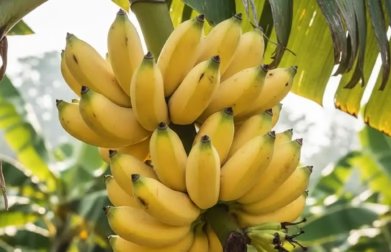
In the diverse landscape of global agriculture, tropical fruits have always held a special place. More than just a familiar, everyday fruit found in home gardens across Vietnam, bananas have long been an irreplaceable part of Vietnamese culture and daily life. However, beyond domestic consumption, Vietnamese banana is increasingly establishing a strong position in the international market, winning over even the most demanding destinations such as Japan, South Korea, and the EU.
Why are Vietnamese bananas so highly valued? Vietnam possesses ideal natural conditions that produce bananas with uniquely rich sweetness, natural aroma, and a soft, creamy texture that few other regions can match. Beyond their exceptional flavor profile, Vietnamese bananas are also prized for their impressive nutritional value.
This article will provide you with the most comprehensive and in-depth overview of the various types of bananas in Vietnam, their nutritional benefits, culinary applications, and significant economic potential helping you gain a deeper understanding of the value of Vietnamese banana, a fruit widely regarded as a “green gold mine.”
1. Why Are Vietnamese Banana So Special?
Not by coincidence are demanding markets such as Japan, South Korea, and the EU increasingly importing Vietnamese banana. The difference lies in the quality of each fruit. Vietnam possesses ideal soil conditions and a favorable tropical climate for banana cultivation. Unlike many Western industrial banana varieties, which often taste bland and starchy, Vietnamese banana benefits from nature’s advantages featuring a pronounced sweetness (high Brix), an intense natural aroma, and a firm, dense texture.
Ideal Soil and Climate Conditions
Vietnam lies entirely within the tropical belt, with high humidity and abundant sunlight year-round. Unlike industrial bananas grown on a mass scale in temperate countries or arid regions, Vietnamese banana is nurtured by the fertile alluvial soils of major rivers such as the Red River and the Mekong River, as well as the rich basalt soil of the Central Highlands.
The wide temperature difference between day and night in Vietnam’s key banana-growing areas allows the plants to accumulate natural sugars more effectively, resulting in higher Brix levels, a clean, pleasant sweetness, and a distinct, intense aroma that few other regions can achieve.
Rich Diversity of Valuable Banana Genetics
Vietnam is one of the biodiversity centers for banana varieties. The country does not possess just a single type, but dozens of rare and valuable indigenous banana varieties. Each variety offers its own unique flavor, appearance, and specific use from bananas for fresh consumption, bananas for cooking, to medicinal banana types creating remarkable diversity for both Vietnamese cuisine and the banana export market.
Standardized Cultivation Practices
Today, specialized banana-growing regions in Đồng Nai, Long An, Hưng Yên, and others are implementing VietGAP and GlobalGAP cultivation standards. This ensures that Vietnamese banana is not only delicious but also safe, meeting strict requirements for pesticide residues and elevating the reputation of Vietnamese bananas in international markets.
2. Popular Banana Varieties in Vietnam
To truly understand Vietnamese banana, we need to look at each variety in detail. Here are the main “stars” of Vietnam’s banana scene:
1. Cavendish Banana – The King of Exports
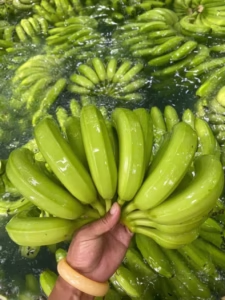
This is the main banana variety in Vietnam’s export sector. Although originally from South America, Cavendish bananas grown in Vietnam achieve superior quality.
-
Characteristics: Long, slightly curved fruits with thick skin (good for long-distance transport); bright yellow when ripe.
-
Flavor: Firm, creamy flesh with mild sweetness and light aroma.
-
Markets: The main Vietnamese banana exported to China, South Korea, and Japan.
2. Chuoi Su (Chuoi Tay / Chuoi Huong)
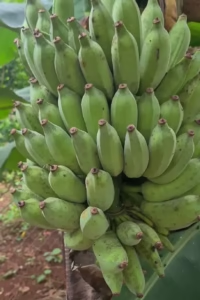
If Cavendish is the king of exports, Chuoi Su is the “queen” of domestic cuisine.
-
Characteristics: Short, round fruits with thin skin; may remain slightly green or turn bright yellow when ripe. Two main types: white Chuoi Su and “thanh” Chuoi Su.
-
Flavor: Richly sweet with a mild tart note; flesh is chewier than Cavendish.
-
Uses: Excellent for fresh eating and especially good for cooking: fried bananas, banana sweet soup, steamed banana cake.
3. Chuoi Ngu – The Royal Tribute Banana
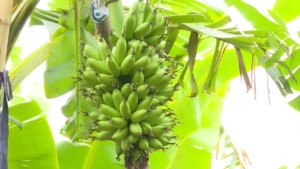
A specialty from the lowland regions of Hà Nam and Nam Dinh.
-
Characteristics: Small, slender fruits with ultra-thin skin and shiny golden-yellow color; elegant fruit stalks.
-
Flavor: Intensely fragrant; sweet but smooth, premium quality.
4. Chuoi Cau
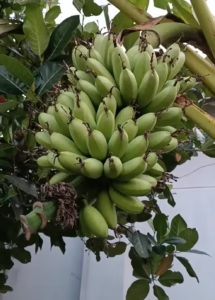
Often confused with Chuoi Ngu due to small size, but has distinct traits.
-
Characteristics: Round, plump shape resembling betel nuts; slightly thicker skin than Chuoi Ngu.
-
Flavor: Mildly sweet, refreshing, easy to eat; very popular in the Mekong Delta.
5. Chuoi Laba – The Specialty of Da Lat
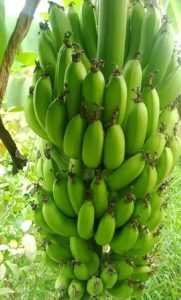
Known as the “royal banana” of Lam Dong Highlands.
-
Characteristics: Slender, slightly curved fruits; large, heavy bunches.
-
Flavor: Soft, aromatic, sweet; highly distinctive due to the cool year-round climate.
6. Chuoi Hot
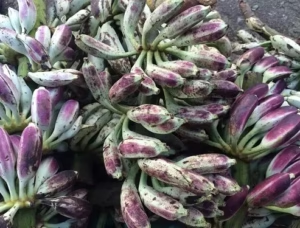
-
Characteristics: Large fruits containing many hard black seeds.
-
Uses: Not for fresh eating; mainly used medicinally soaked in herbal liquor or dried and brewed into tea, supporting kidney health and relieving back pain and fatigue.
3. Comparison Table of Vietnamese Banana Varieties
To help consumers and international partners easily distinguish them, below is a summary table comparing the most popular Vietnamese banana varieties:
| Criteria | Cavendish Banana | Chuoi Su (Chuoi Tay) | Chuoi Ngu | Chuoi Laba |
|---|---|---|---|---|
| Size | Long, large, slightly curved | Short, plump, round | Small, slender | Medium, slender |
| Ripe Peel Color | Uniform bright yellow | Dark yellow or spotted | Shiny golden yellow, thin | Golden yellow |
| Texture | Medium firmness | Very soft and chewy | Moderately chewy | Very soft and chewy |
| Sweetness | Mildly sweet | Richly sweet with a slight tartness | Pronounced sweetness | Richly sweet |
| Primary Use | Fresh consumption, Export | Fresh consumption, Cooking | Gift, Specialty | Tourist specialty, Fresh consumption |
| Main Growing Regions | Southeast Vietnam, Central Highlands | Throughout the country | Hà Nam, Nam Định | Lâm Đồng (Đà Lạt) |
4. Nutritional Value: What’s inside a banana?
Vietnamese banana is known as a “natural energy bar”. A medium banana (about 118 grams) provides: (1)
- Calories: 105 kcal.
-
Vitamin B6: 0.43 mg (more than 30% DV) – quite high, supports brain health.
-
Vitamin C: 10 mg (more than 10% DV).
-
Potassium: 422 mg (about 10% DV).
-
Magnesium: 32 mg (about 10% DV).
-
Fiber: 3.1 grams (nearly 10% of your recommended daily value, or DV).
-
Carbs: 28 grams (mainly natural sugars and resistant starch).
Note: Green bananas contain more resistant starch (acts like soluble fiber), while ripe bananas contain more natural sugars.
8 Golden Health Benefits of Vietnamese Banana
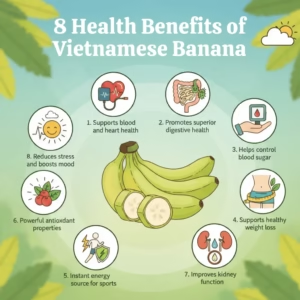
Incorporating Vietnamese bananas into your daily diet brings remarkable positive effects for your body.
1. Supports blood pressure and heart health
Bananas are rich in potassium and low in sodium, which is a golden formula for blood pressure control. Potassium helps dilate blood vessels, reducing pressure on the cardiovascular system, thereby lowering the risk of stroke and heart disease. (2) (3)
2. Promotes superior digestive health
With its high fiber content, bananas help regulate bowel movements and prevent constipation. In particular, bananas contain pectin – a type of fiber that nourishes beneficial gut bacteria and protects the stomach lining. Boiled cooking bananas are a traditional remedy that is highly effective for treating diarrhea and colitis. (4) (5)
3. Helps control blood sugar
Although sweet, bananas have a low to medium glycemic index (GI) of around 42–55, depending on ripeness. The resistant starch in bananas (especially when they are just ripe) helps improve insulin sensitivity. (6)
4. Supports healthy weight loss
Bananas are high in fiber but low in calories (around 100 calories per fruit). Eating a banana before a meal helps create a lasting feeling of fullness and reduces snacking. It is an essential food in an ‘Eat Clean’ diet. (7)
5. Instant energy source for sports
Have you noticed that tennis players or footballers often eat bananas during breaks? That’s because bananas provide natural sugars that are quickly converted into energy, while potassium helps prevent muscle cramps. (8)
6. Powerful antioxidant properties
Vietnamese bananas are rich in dopamine and catechins. These antioxidants help minimize cellular damage, prevent aging, and reduce the risk of chronic diseases. (9) (10)
7. Improves kidney function
Studies show that women who eat bananas 2–3 times per week have a 33% lower risk of developing kidney disease. Potassium is a key factor in maintaining healthy kidney function (note: individuals with severe kidney failure should consult their doctor). (11)
8. Reduces stress and boosts mood
Vitamin B6 in bananas helps the body produce serotonin and dopamine – the “happiness” hormones. Eating a banana when stressed can help you feel calmer and more relaxed. (12)
Cultivation Standards and Export Process
To bring Vietnamese banana to the global market, Vietnam’s agriculture sector has made significant advancements in technology and production processes.
Applying GlobalGAP and VietGAP Standards
Key export banana-growing regions such as Đồng Nai, Long An, and Hưng Yên strictly follow sustainable cultivation practices.
-
Planting Material: Tissue culture technology is used to ensure disease-free, uniform seedlings.
-
Care: Use of chemical pesticides is minimized, while organic and microbial fertilizers are emphasized.
-
Record-Keeping: Cultivation logs are fully transparent for traceability.
Harvesting and Post-Harvest Technology
The post-harvest process is crucial to maintaining the quality of Vietnamese banana.
-
Harvesting: Bananas are cut when they reach approximately 75–80% maturity and transported using pulley systems to avoid bruising.
-
Processing: Banana bunches are cleaned of sap, individual hands are separated, and biological anti-fungal treatments are applied.
-
Packaging: Bananas are vacuum-packed and placed in standard cartons.
-
Cold Storage: Refrigerated containers maintain a temperature of 13 – 14°C to “hibernate” the bananas throughout the long sea transport.
Culinary Culture: Delicious Dishes from Vietnamese Banana
Vietnamese people make full use of the banana plant. Not only the fruit, but also banana flowers, stems, and leaves are essential ingredients.
1. Street Snacks
-
Grilled Sticky Rice Banana: Chuối Sứ wrapped in sticky rice, grilled over charcoal, drizzled with creamy coconut milk, and sprinkled with roasted peanuts. This dish has been honored at the World Street Food Festival.
-
Fried Bananas: Slices of banana coated in batter and deep-fried until golden and crispy a familiar afternoon treat.
2. Traditional Dishes
-
Snails Cooked with Banana and Tofu: A Northern specialty using green bananas cooked with snails, pork belly, and tofu to create a rich, velvety texture.
-
Banana Flower Salad: Thinly sliced banana flowers mixed with pork ear, shrimp, fresh herbs, and sweet-and-sour fish sauce.
3. Applications in the Food Industry
Today, Vietnamese banana is also processed into:
-
Soft dried banana.
-
Banana chips.
-
Banana powder.
-
Medicinal banana wine.
Opportunities and Challenges for the Vietnamese Banana Industry
1. Expanding Potential
Global banana consumption is steadily growing at around 3 – 4% per year. China remains the largest market for Vietnamese banana, but the door to the EU market (thanks to the EVFTA agreement) is opening significant opportunities for higher added value. The Vietnamese banana brand is gradually asserting its position thanks to quality that rivals bananas from the Philippines or Ecuador.
2. Challenges to Overcome
-
Climate Change: Storms, floods, and saltwater intrusion affect cultivation areas.
-
Pests and Diseases: Panama disease (TR4) is the biggest global threat to banana crops, requiring high-tech disease-resistant varieties.
-
Logistics: Transport and cold chain costs need to be optimized to reduce product prices.
Guide to Choosing and Storing Vietnamese Banana for Optimal Freshness
As a smart consumer, you need to know how to select the highest-quality banana bunches for your family.
1. How to Choose Naturally Ripe Bananas
-
Color: Naturally ripened bananas usually have a yellow hue without an overly glossy surface, sometimes with brown speckles this is when the banana is sweetest. Avoid bright yellow bananas with green stems (a sign of chemical ripening).
-
Aroma: Naturally ripened bananas emit a gentle, sweet fragrance from the peel, while chemically treated bananas often have no scent or a pungent odor.
-
Texture: When gently squeezed, naturally ripe bananas feel uniformly soft.
2. How to Store
-
Hanging: Hang the banana bunches high or use a specialized banana hook to prevent bruising.
-
Wrap the Stem: Wrap the banana stem with cling film to slow the ripening process, keeping the bananas fresh for 3–4 extra days.
-
Freezing: If bananas become overripe, peel, slice, and freeze them to make smoothies or banana ice cream later.
Conclusion: The Aspiration of Vietnamese Banana to Go Global
Vietnamese banana is more than just a fruit it embodies culture, the hard work of farmers, and the pride of Vietnamese agriculture. With systematic investment in technology, VietGAP/GlobalGAP-standard cultivation, and strategic brand promotion, Vietnamese bananas are fully capable of becoming the “king of fruits” in the international market.
Prioritizing and promoting Vietnamese banana not only brings excellent health benefits but also supports the national economy. Enjoy one Vietnamese banana a day to savor the full sweet taste of your homeland!
Looking for High-Quality Vietnamese Banana Suppliers?
If you are looking for high-quality Vietnamese bananas for export or domestic distribution, contact Great Farmer now to connect with our top GlobalGAP-certified farms.
GREAT FARMER – GREAT HARVEST
Contact us :
📞Phone/Whatsapp:+(84) 785017575 | +(84) 778078134 |+(84) 0335313567
📧Email: mia@greatfarmer.com.vn | clay@greatfarmer.com.vn | loan@greatfarmer.com.vn
🌐Website: www.greatfarmer.com.vn
 Blog & News