1. Introduction: The Sweet Potato
Throughout human dietary history, there are foods that require no loud promotion yet quietly endure across generations. The Sweet Potato is one of them.
From a humble root crop closely associated with simplicity and survival, the sweet potato has entered the modern nutrition landscape not because of fleeting trends, but due to its genuine biological value. As people begin to ask more serious questions about food origins, nutrient density, and long-term health impacts, the sweet potato is being re-evaluated no longer as a “secondary food,” but as a foundation of a sustainable dietary pattern.
The sweet potato does not impress with bold flavors or elaborate appearances. What draws the attention of nutrition professionals lies in its complex carbohydrate structure, stable glycemic index, and its ability to provide sustained energy without placing excessive strain on the body something that conventional potatoes struggle to achieve.
So what exactly is the Sweet Potato from a nutritional science perspective?
Why, despite both being carbohydrate-rich foods, is the sweet potato so often prioritized in the diets of individuals seeking weight control, athletes, and those pursuing a minimalist, health-conscious lifestyle?
This article does not aim to glorify the sweet potato as a trendy “superfood.” Instead, it focuses directly on fundamentals: its nutritional composition, physiological effects on the body, and practical ways to use it so the sweet potato delivers its true value no more, no less.
2. What Is the Sweet Potato? Distinguishing It from Other Root Crops
2.1. Scientific Definition
The Sweet Potato, scientifically known as Ipomoea batatas, is a nutritionally significant food crop cultivated and consumed worldwide. It belongs to the Convolvulaceae family (morning glory), not the Solanaceae family (nightshades) like the common potato. From an evolutionary perspective, this means the sweet potato is not a close relative of the potato. (1)
The sweet potato tuber is, in fact, an enlarged storage root developed to reserve energy for the plant. It is rich in starch and possesses a natural sweetness. Botanically, it is classified as a tuberous root, rather than a modified stem, which is the case with the regular potato.
This species originates from the tropical regions of the Americas, particularly Central and South America, where it was domesticated and cultivated thousands of years ago. Today, sweet potatoes are grown across tropical and subtropical regions worldwide, with numerous varieties displaying different skin and flesh colors ranging from white and yellow to orange and purple. (2)
2.2. Color Diversity
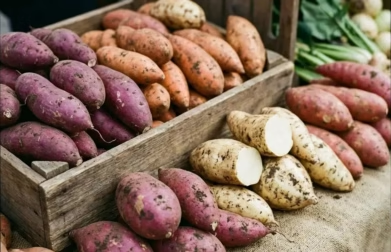
The Sweet Potato is far more than just orange. In today’s markets, one can encounter a remarkable range of varieties:
-
Skin: white, yellow, red, purple, or brown
-
Flesh: most commonly orange, but also white, pale yellow, and deep purple
Each color variation offers not only a distinct sensory experience but also represents different phytochemical profiles. For example, purple sweet potatoes are rich in anthocyanins, while orange sweet potatoes are considered a leading source of beta-carotene.
Important note: Sweet Potatoes are often confused with Yams. True yams are typically larger, have rough, bark-like skin, and a drier, less sweet interior. In the United States, the term “yam” is frequently misused; however, from a biological standpoint, sweet potatoes and yams are entirely different species.
3. Nutritional Value of the Sweet Potato (In-Depth Analysis)
Why is the Sweet Potato considered a “gold-standard” source of carbohydrates? The answer lies in its remarkably strong nutritional profile. A medium-sized baked sweet potato (approximately 130 g) can provide nearly 400% of the recommended daily intake of Vitamin A, while containing very little fat.
Below is a detailed nutritional comparison table to help illustrate this more clearly:
Table 1: Nutritional Values per 100 g of Cooked Sweet Potato
| Nutrient Composition | Amount | % DV (Daily Value) | Primary Role |
|---|---|---|---|
| Calories | 90 kcal | – | Energy supply |
| Carbohydrates | 20.71 g | 7% | Primary fuel source |
| Dietary Fiber | 3.3 g | 13% | Supports digestion, promotes satiety |
| Sugars | 6.5 g | – | Naturally occurring sugars, low GI impact |
| Protein | 2 g | 6% | Muscle maintenance and repair |
| Vitamin A | 19,200 IU | 384% | Supports vision, skin health, and immunity |
| Vitamin C | 19.6 mg | 24% | Antioxidant activity, collagen synthesis |
| Manganese | 0.5 mg | 24% | Metabolism and bone health |
| Vitamin B6 | 0.286 mg | 22% | Macronutrient metabolism, brain function |
| Potassium | 475 mg | 14% | Blood pressure regulation |
(Data source: SelfMadeHealth.com)
Analysis of Key Nutritional Components:
-
Complex Carbohydrates: Unlike the refined starch found in white bread, the carbohydrates in sweet potatoes are slowly digested and absorbed, providing sustained energy without triggering sharp spikes in blood glucose levels.
-
Vitamin A (Beta-Carotene): The orange hue of sweet potatoes comes from beta-carotene, which the body converts into Vitamin A. This nutrient is essential for vision, immune function, and cellular integrity.
-
Naturally Gluten-Free: The Sweet Potato is inherently gluten-free, making it an ideal carbohydrate source for individuals with Celiac disease or those with gluten sensitivity.
4. Eight Remarkable Health Benefits of the Sweet Potato
When you incorporate Sweet Potato into your daily diet, your body can gain the following significant benefits:
4.1. Improved Gut Health and Digestion
The fiber in sweet potatoes includes both soluble fiber (primarily pectin) and insoluble fiber.
-
Soluble fiber: Absorbs water and softens stool, supporting smoother bowel movements. (3)
- Insoluble fiber: Functions like a “natural broom,” helping sweep waste through the intestinal tract. (4)
Notably, research indicates that antioxidants found in purple sweet potatoes promote the growth of beneficial gut bacteria such as Bifidobacterium and Lactobacillus, thereby reducing the risk of irritable bowel syndrome (IBS). (5)
4.2. A Powerful Defense for Vision
Vitamin A deficiency remains a leading cause of preventable blindness in developing countries. Orange-fleshed sweet potatoes offer one of the most effective natural solutions.
A single sweet potato provides sufficient beta-carotene to help maintain healthy eye membranes, prevent dry eye syndrome, and reduce the risk of age-related macular degeneration. (6)
4.3. Support for Weight Management
This is why sweet potatoes are a staple in many “Eat Clean” meal plans.
-
Prolonged satiety: High fiber and water content help fill the stomach and reduce unnecessary snacking.
-
Low calorie density: You can consume a satisfying portion without excessive calorie intake compared to white rice or pasta. (7)
4.4. Anti-Cancer Properties
Sweet potatoes contain potent antioxidant compounds:
-
Anthocyanins (in purple sweet potatoes): Demonstrated in in vitro studies to slow the growth of bladder, colon, stomach, and breast cancer cells. (8)
-
Beta-carotene (in orange sweet potatoes): Acts as a protective shield, defending cells against damage from free radicals. (9)
4.5. Blood Sugar Regulation (Type 2 Diabetes)
Despite their natural sweetness, sweet potatoes have a low-to-moderate glycemic index (GI) when prepared by boiling or steaming. This allows glucose to be released into the bloodstream gradually, helping to prevent sharp insulin spikes. In addition, dietary fiber further slows sugar absorption. (10)
Note: Individuals with diabetes should limit baked sweet potatoes, as baking can significantly increase the GI.
4.6. Enhanced Brain Function
Chronic inflammation in the brain is a key contributor to cognitive decline and Alzheimer’s disease. Animal studies suggest that anthocyanins in purple sweet potatoes may protect brain tissue by reducing inflammation and counteracting oxidative stress. (11)
4.7. Immune System Support
he immune system relies heavily on Vitamins A and C, both of which are abundant in sweet potatoes. Vitamin A helps maintain the integrity of the intestinal lining home to approximately 70% of the immune system while Vitamin C stimulates the production of white blood cells to fight infection. (12)
4.8. Blood Pressure Regulation
Thanks to their high potassium content, sweet potatoes help the body excrete excess sodium, promoting blood vessel relaxation and lowering blood pressure. This makes them an ideal food for the DASH diet (Dietary Approaches to Stop Hypertension). (13)
5. Common Types of Sweet Potatoes and How to Choose Them
To become an informed consumer, it is important to distinguish between different types of Sweet Potatoes in order to use them for the right purposes.
Table 2: Common Sweet Potato Varieties
| Sweet Potato Type | Identifying Characteristics | Flavor & Texture | Best Uses |
|---|---|---|---|
| Beauregard (Honey Sweet Potato) | Reddish-brown skin, deep orange flesh | Very sweet, soft, fluffy, and moist | Baking, desserts, mashing |
| Japanese Sweet Potato | Reddish-purple skin, pale yellow flesh | Mild sweetness, nutty (chestnut-like), dry texture | Boiling, steaming, frying (tempura) |
| Purple Sweet Potato | Dark purple skin and flesh | Less sweet, starchier, rich in antioxidants | Natural food coloring, soups, salads |
| White Sweet Potato | Light-colored skin, white flesh | Mildly sweet, texture similar to regular potatoes | Substitute for French fries |
Tips for Selecting High-Quality Sweet Potatoes:
-
Appearance: Choose roots with smooth, unblemished skin. Avoid sweet potatoes with cracks, dark bruises, or small holes, which may indicate pest damage.
-
Size: Medium to small sweet potatoes are generally sweeter and have a better texture than overly large ones, which tend to be fibrous.
-
Firmness: The sweet potato should feel firm and heavy for its size. Avoid any that feel soft or wrinkled, as these are signs of aging or improper storage.
6. Optimal Ways to Prepare Sweet Potatoes for Maximum Nutrition
The way you prepare Sweet Potatoes has a direct impact on both their glycemic index (GI) and the amount of vitamins retained.
6.1. Boiling — Best for Blood Sugar Control
Boiling sweet potatoes with the skin on for 20–30 minutes is one of the most effective methods for preserving beta-carotene while keeping the GI relatively low (around 46). Keeping the pot covered helps minimize vitamin loss during cooking.
6.2. Steaming
Similar to boiling, steaming helps retain natural sweetness and nutrients while preventing excessive water absorption. This method strikes an excellent balance between flavor and nutritional preservation.
6.3. Baking / Roasting — Best Flavor, with Caution
Baking causes the natural sugars in sweet potatoes to caramelize, producing a rich, appealing flavor. However, this method can significantly raise the GI (potentially up to 90). If you are focused on weight management or managing diabetes, it is best to pair baked sweet potatoes with leafy vegetables and a lean protein source to help moderate blood sugar response.
6.4. Pairing with Healthy Fats
Because Vitamin A is a fat-soluble vitamin, consuming sweet potatoes with a small amount of healthy fat such as olive oil, avocado, or cashews can enhance beta-carotene absorption by 3–5 times compared to eating them alone.
7. Frequently Asked Questions (FAQ) about Sweet Potatoes
Here are some of the most common questions people ask about Sweet Potatoes:
Q: Is it good to eat the skin of sweet potatoes?
A: Yes, absolutely! The skin contains the highest amounts of fiber and antioxidants. Make sure to scrub the dirt off thoroughly with a vegetable brush before cooking.
Q: Do sweet potatoes cause weight gain?
A: No, when eaten properly. Sweet potatoes are low in fat and calories. However, frying them in oil or adding excessive sugar/honey can dramatically increase calorie content.
Q: Who should limit their intake of sweet potatoes?
A: People with a history of kidney stones should be cautious, as sweet potatoes contain oxalates, which can contribute to calcium-oxalate stone formation in susceptible individuals. Additionally, those taking beta-blocker medications for heart conditions should monitor their potassium intake.
Q: How should sweet potatoes be stored?
A: Never store raw sweet potatoes in the refrigerator, as cold temperatures can cause sugars to harden and alter the flavor. Keep them in a dry, well-ventilated area, away from direct sunlight. Properly stored, they can stay fresh for 2–3 weeks.
8. Conclusion
The Sweet Potato is more than just an inexpensive source of carbohydrates it is truly a gift from nature for your health. With its immense Vitamin A content, abundant fiber, and powerful antioxidant properties, it deserves a permanent place in your kitchen. Whether your goal is weight management, improving vision, or simply enjoying a tasty and nutritious meal, sweet potatoes can deliver.
Start replacing a portion of refined carbs (white rice, bread) with Sweet Potatoes today and experience the positive impact on your body.
🌱 Partner with Greta Farmer – Your Source for Organic Sweet Potatoes
Greta Farmer provides high-quality, nutrient-rich sweet potatoes grown to strict organic standards and carefully controlled from farm to storage. Perfect for restaurant chains, cafes, health food stores, or processed products.
Benefits of partnering with us:
- Consistent, uniform, fresh products available year-round
- Professional packaging and delivery support
- Flexible B2B solutions tailored to your business needs
👉 Contact Greta Farmer today to upgrade your ingredient supply and meet your customers’ demands sustainably!
Contact us:
📞 Phone / WhatsApp: +84 785 017 575 | +84 778 078 134 | +84 033 531 3567
📧 Email: mia@greatfarmer.com.vn | clay@greatfarmer.com.vn | loan@greatfarmer.com.vn
🌐 Website: www.greatfarmer.com.vn
 Blog & News