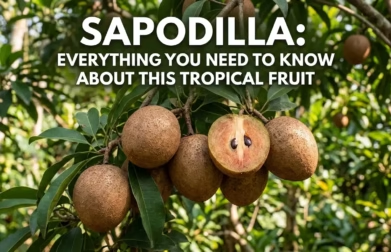
Amid the wide variety of familiar tropical fruits, Sapodilla known in Vietnam as Hồng xiêm or Sa pô chê is a fruit with a rather modest appearance yet a flavor that many people remember long after tasting it. Its rough brown skin is not particularly eye-catching and can easily be overlooked. However, once a ripe fruit is cut open, the smooth light-brown flesh and its distinctive, gentle aroma immediately reveal the fruit’s true appeal. The sweetness of sapodilla is often compared to a blend of honey, brown sugar, and a hint of natural caramel rich yet pleasantly balanced.
Beyond being a familiar dessert fruit in many tropical countries, sapodilla is also highly valued for its nutritional benefits, culinary versatility, and commercial potential. In recent years, the fruit has attracted increasing attention in international markets due to its unique flavor and its ability to grow well in a variety of tropical climates.
In this article, we will explore sapodilla from multiple perspectives: its origin, characteristics, nutritional value, export potential, and its position in the global fruit market. Whether you are a tropical fruit enthusiast, someone looking for natural foods that support a healthy lifestyle, or a business interested in the agricultural sector, the information below will help you better understand this seemingly simple fruit that holds remarkable potential.
1. Origin, History, and Biological Characteristics of Sapodilla
1.1. What is Sapodilla? Where Does It Originate?
Sapodilla (Manilkara zapota) is an evergreen tree belonging to the Sapotaceae family. This species is native to southern Mexico, Central America, and the Caribbean region. During the Spanish colonial period, sapodilla was introduced to the Philippines and subsequently spread throughout Asia, including India, Thailand, Malaysia, Indonesia, and Vietnam. (1)
Tại Việt Nam, nó được gọi bằng nhiều cái tên khác nhau tùy theo vùng miền:
-
Northern Vietnam: Hồng xiêm a traditional name believed to originate from the fruit’s somewhat similar shape to a persimmon, while the word “xiêm” is associated with the region of Siam (present-day Thailand), where the tree was widely cultivated in the region before being introduced to Vietnam.
-
Southern Vietnam: Sa pô chê this name is derived from the French word sapotille, which became commonly used during the period of strong French cultural influence in Vietnam.
-
Other regions: Lòng mức a local name used in certain areas of Southern Vietnam.
1.2. Key Biological Characteristics
To better understand this fruit in both commercial cultivation and consumer contexts, it is important to recognize its core biological characteristics:
-
Tree (Woody plant): Sapodilla trees can grow quite tall, reaching 15 to 30 meters in the wild. The trunk contains a sticky white latex known as chicle. Historically, chicle served as the primary raw material for producing chewing gum before synthetic gum was developed. The tree is highly resilient and can withstand strong winds and storms due to its deep root system and dense canopy. (2)
-
Leaves: The leaves are dark green, glossy, and arranged alternately, often clustered near the ends of branches. They are oval-shaped with smooth margins, typically measuring 7–15 cm in length, forming a thick canopy that provides ample shade.
-
Flowers: Sapodilla flowers are small, white, and bell-shaped, growing individually in the leaf axils. Although not visually striking, the flowers emit a mild, pleasant fragrance that attracts pollinating insects.
-
Fruit: Sapodilla fruits are round to oval (egg-shaped) and typically measure 4–8 cm in diameter. The outer skin is thin, rough-textured, and brown in color. When unripe, the fruit is firm and contains a significant amount of astringent latex (tannins). As it ripens, the skin softens and the latex disappears, revealing light brown to reddish-brown flesh.
-
Flesh and Seeds: When ripe, the flesh has a slightly grainy texture (due to the presence of stone cells) yet remains soft and melts in the mouth, delivering its signature sweetness. Each fruit usually contains 2 to 5 glossy black seeds, which are hard, flattened, and pointed, arranged along the central axis of the fruit.
2. Nutritional Composition of Sapodilla
Sapodilla is not only a delicious dessert fruit but also a natural source of energy, providing a wide range of essential nutrients for the body. It is particularly rich in carbohydrates, dietary fiber, vitamins, and important minerals.
Below is a detailed nutritional breakdown of 100 grams of fresh sapodilla pulp (data referenced from the USDA FoodData Central database): (3)
| Nutrient | Amount per 100 g | Daily Value (%DV) | Main Benefits |
|---|---|---|---|
| Energy (Calories) | 83 kcal | 4% | Provides instant energy from natural sugars (fructose and sucrose). |
| Carbohydrates | 19.96 g | 7% | Primary source of energy for the brain and muscles. |
| Dietary Fiber | 5.3 g | 21% | Highly beneficial for digestion and helps effectively prevent constipation. |
| Fat (Lipids) | 1.1 g | 1% | Helps the body absorb fat-soluble vitamins (A, E, K). |
| Protein | 0.44 g | <1% | Provides minor support in building and maintaining body cells. |
| Vitamin C | 14.7 mg | 18% | A powerful antioxidant that strengthens the immune system. |
| Vitamin A (IU) | 60 IU | 1.2% | Supports vision health and maintains healthy skin. |
| Folate (Vitamin B9) | 14 µg | 4% | Essential for cell division and particularly important during pregnancy. |
| Potassium | 193 mg | 5.5% | Helps regulate blood pressure and maintain electrolyte balance. |
| Copper | 0.086 mg | 9.5% | Supports red blood cell formation and benefits the nervous system. |
| Calcium | 21 mg | 2% | Contributes to strong bones and teeth. |
| Iron | 0.8 mg | 6% | Helps prevent anemia and improves oxygen circulation in the body. |
Note: The % Daily Value (%DV) is based on a 2,000-calorie daily diet. These percentages may vary depending on an individual’s daily caloric needs.
3. Eight Remarkable Health Benefits of Sapodilla (Hồng Xiêm)
With the impressive nutritional profile shown above, incorporating sapodilla into a balanced diet can provide significant health benefits. Below are eight of the most notable advantages supported by nutritional science:
3.1. A Natural and Quick Source of Energy
Sapodilla contains a relatively high level of natural sugars, primarily fructose and sucrose. Unlike refined sugars, the sugars found in sapodilla are consumed together with a substantial amount of dietary fiber, which helps release energy more gradually and prevents sudden spikes in blood sugar levels when eaten in moderation. For this reason, sapodilla makes an excellent natural snack for athletes, gym enthusiasts, growing children, or anyone experiencing fatigue or low energy during the day. It provides a quick yet balanced energy boost while still supplying essential nutrients. (4)
3.2. Improves Digestive Health and Helps Prevent Constipation
Sapodilla is a rich source of dietary fiber, an essential nutrient that plays a key role in supporting digestive health, heart health, and healthy body weight. Fiber helps nourish beneficial gut bacteria, improves digestion, promotes a feeling of fullness, and assists in regulating blood sugar and cholesterol levels. Studies indicate that sapodilla contains approximately 5.3–11.5 g of fiber per 100 g, making it one of the fiber-rich fruits. Regular consumption of fiber-rich foods such as sapodilla can help prevent constipation and may also reduce the risk of chronic conditions such as heart disease and colon cancer. (5)
3.3. Strengthens the Immune System and Supports Anti-Inflammatory Defense
Sapodilla contains vitamin C, a powerful antioxidant that helps neutralize free radicals in the body. Beyond its antioxidant function, vitamin C also stimulates the production of white blood cells, forming a strong line of defense that helps protect the body from viruses and bacteria. Regular consumption of sapodilla may help strengthen the immune system and protect against various infections, especially during cold and flu seasons. This makes sapodilla a valuable addition to a healthy diet, particularly during periods of stress, fatigue, or illness, when the body’s immune defenses need extra support. (6)
3.4. Supports Strong Bones and Joints
Calcium, phosphorus, and iron are essential minerals for maintaining bone strength and density. As people age, the body gradually loses these important minerals, increasing the risk of bone weakening and osteoporosis. Regular consumption of sapodilla can help provide natural sources of calcium and phosphorus, supporting the development and maintenance of strong bones and healthy teeth, while also helping reduce the risk of bone and joint-related conditions. (7)
3.5. Powerful Antioxidants That May Help Reduce Cancer Risk
Sapodilla is a good source of antioxidants, including beneficial compounds such as gallic acid and quercitrin. These antioxidants help neutralize free radicals, which are unstable molecules capable of damaging cells and contributing to chronic diseases such as heart disease, cancer, and lung disease.
Consuming foods rich in antioxidants such as fruits, vegetables, and whole grains may help protect the body from oxidative damage, lower the risk of certain diseases, and support healthy aging. Sapodilla, with its natural antioxidant content, can therefore be a valuable addition to a balanced and health-conscious diet. (8)
3.6. A Natural Beauty Secret for Skin and Hair
The presence of vitamin E, vitamin C, and vitamin A in sapodilla contributes significantly to skin and hair health:
-
For the skin: Vitamin C helps stimulate collagen production, maintaining skin elasticity and reducing the appearance of wrinkles. Meanwhile, antioxidants help slow down the skin aging process, promoting a smoother and more radiant complexion. (9)
-
For the hair: Oil extracted from sapodilla seeds (although not widely used) and the regular consumption of the fruit may help nourish the scalp, reduce hair loss, and promote softer, healthier hair growth.
3.7. Beneficial for Pregnant and Breastfeeding Women
Sapodilla provides carbohydrates and essential nutrients, including folate (vitamin B9), which can help reduce fatigue and morning sickness commonly experienced during pregnancy. Folate is particularly important because it plays a crucial role in preventing neural tube defects in developing fetuses.
However, pregnant women who are at risk of gestational diabetes should consult a healthcare professional regarding appropriate portion sizes in order to manage sugar intake effectively. (10)
4. A Complete Guide to Selecting, Storing, and Enjoying Sapodilla (Expert Tips)
To fully experience the true flavor of sapodilla, proper selection and storage are essential. Unripe fruit can taste astringent due to high latex content, while overripe fruit may ferment and develop an alcoholic taste.
4.1. How to Choose High-Quality Sapodilla (Avoid Hard or Astringent Fruit)
When shopping at a market or supermarket, you can use the following guidelines to select the best fruit:
Check the skin: Choose fruits with an even earthy-brown color and a slightly rough surface. Avoid fruits that appear wrinkled, bruised, or damaged. Lightly scratch the brown powdery layer on the skin with your fingernail:
-
If the underlying skin is light green, the fruit is still unripe.
-
If it appears yellowish-brown, the fruit is mature and close to ripening.
Test the firmness: Gently press the fruit with your thumb. A ripe sapodilla should yield slightly to pressure and feel elastic.
-
If it is too firm, it is likely unripe and will taste astringent.
-
If it feels too soft or mushy, it may be overripe and could spoil quickly.
Smell the aroma: Bring the fruit close to your nose. Naturally ripe sapodilla releases a mild, sweet aroma similar to brown sugar or caramel.
Examine the stem: Naturally ripened fruits usually have a dry stem or no stem at all, and they should not release any white latex.
4.2. How to Ripen and Store Sapodilla Properly
Natural ripening: If the fruit is still slightly firm when purchased, do not place it in the refrigerator immediately, as low temperatures can halt the ripening process and cause the flesh to become hard or uneven.
Instead, leave the fruit at room temperature in a paper bag or place it in a container of rice. The natural ethylene gas released will help the fruit ripen evenly, becoming soft and sweet within 1–3 days.
Storage after ripening: Once the fruit has reached the perfect softness but you are not ready to consume it yet, place it in a sealed container to prevent odor absorption and store it in the refrigerator. Under these conditions, ripe sapodilla can remain fresh and flavorful for 3–5 days.
5. Culinary Applications: Delicious Dishes Made with Sapodilla
Although the most common and enjoyable way to eat sapodilla is fresh (washed, peeled, seeded, and sliced), its unique texture and naturally sweet flavor make it an excellent ingredient in various culinary creations. Below are several popular applications with high commercial value in restaurants and cafés.
5.1. Sapodilla Smoothie
-
Preparation: Blend the flesh of two ripe Sapodilla fruits with 50 ml of unsweetened fresh milk, one tablespoon of condensed milk (adjust to taste), and a cup of ice cubes.
-
Result: A smooth, creamy smoothie with a naturally sweet caramel-like flavor, making it a refreshing and popular drink during the summer.
5.2. Sapodilla Ice Cream
Thanks to its smooth texture and relatively low water content, Sapodilla is an excellent ingredient for homemade ice cream. Simply mix Sapodilla purée with heavy cream, condensed milk, and a touch of vanilla, then freeze the mixture. The result is a rich, Western-style dessert with a delicate sweetness and a smooth texture without icy crystals.
5.3. Tropical Fruit Salad
The rich sweetness of Sapodilla pairs well with fruits that have a refreshing tartness. Dice Sapodilla into small cubes and combine it with pineapple, mango, dragon fruit, and a few fresh mint leaves. Drizzle with a little honey or passion fruit sauce. This creates a light, refreshing dessert that pleasantly stimulates the palate.
5.4. Applications in Traditional Medicine (Folk Medicine)
Beyond the fruit itself, other parts of the Sapodilla Tree are also valued for their traditional medicinal uses:
-
Leaves and bark: When boiled to make a decoction, they are believed to help treat diarrhea, dysentery, and fever due to their high tannin content, which has natural astringent and antimicrobial properties.
-
Tree latex (Chicle): Historically used in certain ancient cultures as a natural dental filling material.
-
Seeds: When crushed, they have been traditionally applied topically to soothe insect bites. However, caution is advised, as the seeds contain small amounts of compounds that may be toxic if ingested in large quantities.
6. Commercial Perspective: The Economic Potential of Sapodilla
From an agricultural and commercial investment standpoint, Sapodilla is a crop with stable and promising economic value, particularly in tropical regions such as Vietnam, especially in the Mekong Delta and the Southeast Region of Vietnam.
6.1. Advantages in Cultivation
-
Long lifespan & year-round fruit production: A Sapodilla tree can live and produce fruit continuously for 30 to 50 years, and in some cases up to 100 years. With grafted trees, harvesting can begin approximately 3–4 years after planting. Because the fruit develops gradually throughout the year, farmers can benefit from a stable and continuous source of income.
-
Tolerance to harsh conditions: Sapodilla trees grow well in various soil types, including loamy soil, sandy loam, and alluvial soil. They are also relatively drought-tolerant and resistant to strong winds and storms. Compared with many citrus fruits, Sapodilla trees are less susceptible to severe pest and disease damage.
-
Low maintenance costs: Fertilizer and crop protection requirements for Sapodilla cultivation are generally lower than many other fruit crops, allowing farmers to optimize profit margins while maintaining sustainable production.
6.2. Market Opportunities & Export Potential
Currently, several high-quality Sapodilla varieties are available on the market, producing large fruits with smooth flesh, minimal graininess, and high Brix sweetness levels (such as Giant Red-Flesh Sapodilla, Mango Sapodilla, and Mac Bac Sapodilla).
-
Domestic market: Demand for fresh Sapodilla as well as processed products (smoothies, jams, desserts) remains consistently high in supermarkets, clean fruit stores, and restaurants. Premium varieties often maintain favorable price levels, providing attractive profits for growers.
-
Export market: Sapodilla fruits have relatively thick skin and good post-harvest shelf life when handled under proper cold-chain procedures. This creates export opportunities to demanding markets such as the European Union, Japan, and the Middle East, where consumers increasingly appreciate unique and nutrient-rich tropical fruits.
7. Important Considerations When Consuming Sapodilla (Potential Side Effects)
Although Sapodilla is often regarded as a tropical “superfruit,” improper consumption may lead to certain unwanted effects. To ensure safe consumption and protect your health, consider the following precautions:
-
Do Not Eat Unripe Fruit: Unripe Sapodilla contains very high concentrations of tannins and latex (sap). Consuming it may cause a strong astringent sensation in the mouth, numbness of the tongue, irritation of the throat lining, and in some cases may lead to severe constipation or stomach cramps. Sapodilla should only be eaten when the fruit is fully ripe and soft.
-
Caution for People with Diabetes: Since Sapodilla is relatively high in natural sugars and calories, individuals with elevated blood sugar levels or those diagnosed with Diabetes should carefully control their portion size. It is generally recommended to consume no more than half to one small fruit per day and to seek advice from a healthcare professional if necessary.
-
Do Not Swallow the Seeds: Sapodilla seeds have sharp hook-like edges. Accidentally swallowing them may cause injury to the throat lining, stomach, or digestive tract, or may even become lodged in the gastrointestinal system. In addition, the seeds contain compounds such as saponin and saponitin; if the seeds are crushed and consumed in large quantities, they may cause abdominal discomfort or mild poisoning. Therefore, the seeds should always be removed before serving, especially for children.
-
Risk of Weight Gain if Consumed Excessively: With approximately 83 kcal per 100 grams, excessive consumption of Sapodilla without adequate physical activity may result in excess calorie intake, potentially leading to fat accumulation and weight gain. Moderation is key when incorporating this fruit into a balanced diet.
Frequently Asked Questions (FAQs) About Sapodilla
Q1: Does eating Sapodilla at night cause weight gain?
A: Although Sapodilla is rich in vitamins and nutrients, it also contains a relatively high amount of natural sugars and calories. Consuming it late at night, especially close to bedtime, may prevent the body from effectively burning the energy intake. Over time, this may contribute to excess fat accumulation. The best time to enjoy Sapodilla is during a mid-morning or afternoon snack.
Q2: What is the difference between Sapodilla and Sapote?
A: The names are sometimes confused. Sapodilla (Manilkara zapota) is usually smaller, with rough brown skin and sweet brown flesh that has a caramel-like flavor.
In contrast, Mamey Sapote (Pouteria sapota) belongs to a related botanical family but produces much larger fruits with a rougher skin and vibrant reddish-orange flesh. Its flavor is often described as a blend of pumpkin, sweet potato, and avocado.
Q3: Should Sapodilla be peeled before eating?
A: Yes. Although the skin of Sapodilla is thin, it has a rough texture, slightly astringent taste, and is not easily digestible. Additionally, the skin may carry dust or natural residues. It is recommended to wash the fruit thoroughly, peel off the brown skin, and remove the white core and seeds before consuming.
Q4: At what age can children eat Sapodilla?
A: Fully ripe Sapodilla, when mashed smoothly, can be an excellent complementary food for infants from around 6–8 months of age. It provides energy and dietary fiber, which may help prevent constipation in babies. However, the fruit should be carefully strained to remove any grainy texture, and all seeds must be completely removed before serving.
Conclusion
From a wild species native to Central America, Sapodilla (commonly known as Hong Xiem in Vietnam) has traveled across oceans to become one of the most beloved tropical fruits worldwide. Beyond its irresistibly sweet, caramel-like flavor and soft texture, Sapodilla stands out for its rich nutritional profile providing energy, supporting digestion, strengthening the immune system, and contributing to overall health and well-being.
From a commercial perspective, the cultivation and processing of Sapodilla continue to represent a promising agricultural opportunity. With its stable yield potential and increasing consumer interest in tropical fruits, Sapodilla offers farmers and agribusinesses a reliable source of income while presenting strong prospects for the retail and export markets.
Understanding how to properly cultivate, consume, and maximize the value of Sapodilla is key not only to improving personal health but also to fully harnessing the remarkable gift that nature provides.
If you are interested, I can also provide a sample business plan or a detailed guide to Sapodilla cultivation that meets export standards, which could be applied to modern agricultural production models.
 Blog & News