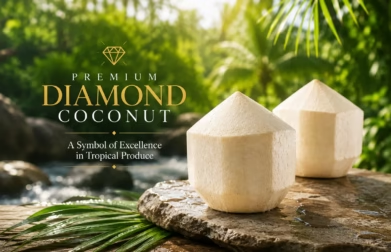
Current consumer trends increasingly favor natural products that offer high nutritional value and are processed according to premium quality standards. This has created new opportunities for many tropical agricultural products to elevate their market value, with Premium Diamond Coconut standing out as one of the most prominent examples.
Beyond its distinctive diamond-cut appearance, Premium Diamond Coconut is highly regarded for its carefully selected raw materials, advanced processing techniques, and ability to preserve the natural freshness of both the coconut water and the coconut meat inside. This premium product is well suited to the demands of high-end markets, including retail, hotels, restaurants, and export sectors.
In this article, you will gain a comprehensive understanding of Premium Diamond Coconut, including its key characteristics, production process, quality standards, and the reasons why it is becoming increasingly popular in international markets.
1. What Is Premium Diamond Coconut?
Premium Diamond Coconut is an international commercial term used to describe carefully selected fresh coconuts with their natural coconut water intact, trimmed into the distinctive diamond-cut shape. These coconuts are typically sourced from premium varieties such as green dwarf coconuts, aromatic coconuts, or dwarf coconuts cultivated in the most fertile growing regions of Southeast Asia, particularly Ben Tre (Vietnam) and Ratchaburi (Thailand).
The defining feature of this product lies in the word “Premium.” To earn this designation, each coconut must meet a rigorous set of standards covering every stage of production, including cultivation, harvesting age, coconut water volume, Brix level (sweetness), as well as the husk-trimming process, antimicrobial treatment, and cold-chain packaging. The diamond-cut shape not only gives the product an elegant and sophisticated appearance but also optimizes shipping weight and allows consumers to insert a straw easily without requiring specialized tools to open the coconut.
2. What Makes Premium Diamond Coconut Different?
The excellence of Premium Diamond Coconut is no coincidence. It is the result of a refined agricultural process in which every characteristic is elevated to meet the standards of the world’s most demanding markets, including the United States, Europe, Japan, and the Middle East.
2.1. The Unique and Elegant Diamond-Cut Design
From a visual perspective, Premium Diamond Coconut is a work of art in modern agriculture. The tough green fibrous husk is completely removed by skilled craftsmen and precision machinery, leaving only a thin layer of the coconut shell with a neatly flattened top, creating symmetrical facets that resemble a diamond.
This design offers three significant practical advantages:
- Premium aesthetics: Ideal for serving in five-star hotels, luxury resorts, fine-dining restaurants, and high-end events.
- Maximum convenience: The top of the coconut is carefully trimmed to create a thinner surface, allowing consumers to insert a straw into the softest coconut eye with minimal effort, completely eliminating the inconvenience and potential safety risks associated with cutting through a hard coconut husk.
- Optimized logistics: Removing the fibrous husk reduces the coconut’s weight and volume by up to 60%, resulting in substantial savings in both air and sea freight transportation costs.
2.2. Naturally Sweet and Refreshing Flavor
Flavor is the essence of Premium Diamond Coconut. The coconut water offers a naturally light and refreshing sweetness, typically with a Brix level ranging from 6.5 to 8.0. Its sweetness is delicate rather than overpowering, leaving a clean and refreshing finish that is characteristic of tropical coconuts. At this stage of harvest, the coconut meat has a soft, jelly-like texture. It is thin, pure white, and melts in the mouth. This is the optimal harvest stage, when the coconut reaches its peak nutritional value and flavor, before the meat becomes overly firm and the coconut water begins to lose its freshness.
3. Comparison Between Premium Diamond Coconut and Conventional Fresh Coconut
To better illustrate the advantages of Premium Diamond Coconut, the table below compares the key characteristics of premium diamond-cut coconuts with conventional fresh coconuts in their natural husks.
| Criteria | Premium Diamond Coconut | Conventional Fresh Coconut (Natural Husk) |
|---|---|---|
| Appearance | Cleanly trimmed into a distinctive diamond-cut shape with an ivory-white finish. | Retains the natural green or yellow husk; bulky with an irregular appearance. |
| Average Weight | 600–900 g per coconut. | 1.5–2.5 kg per coconut. |
| Convenience | Very high. Ready to drink by simply inserting a straw. | Low. Requires a machete or large knife and proper skills to open. |
| Consistency (Quality) | Approximately 95% consistency. Each coconut is inspected for sweetness and size before packaging. | Inconsistent. Quality depends largely on manual selection. |
| Storage | Must be refrigerated at 2°C–5°C. Shelf life: 45–60 days. | Can be stored at room temperature for several days or refrigerated. |
| Target Market | Export markets, premium supermarkets, hotels, resorts, and B2B export channels. | Traditional markets, street beverage vendors, and everyday household consumption. |
4. Superior Nutritional Value
Beyond its commercial appeal and elegant presentation, Premium Diamond Coconut is also recognized by nutrition experts as one of nature’s most exceptional beverages.
4.1. May help reduce the risk of kidney stones
Staying well hydrated is one of the most effective ways to help prevent kidney stones, and coconut water may offer additional benefits beyond plain water. Preliminary research suggests it may help reduce crystal formation in the urinary tract and increase the excretion of substances such as potassium, chloride, and citrate, which are associated with a lower risk of stone development. However, current evidence is still limited, and more human studies are needed to confirm these potential benefits. (1)
4.2. May support heart health
Coconut water may help support heart health thanks to its natural antioxidants and beneficial plant compounds, which may reduce oxidative stress, support healthy blood pressure, and improve metabolic function. While recent research shows promising cardioprotective potential, larger human studies are still needed to confirm these benefits. (2)
4.3. Supports hydration after exercise
Coconut water is a natural source of electrolytes, including potassium, magnesium, calcium, and sodium, making it an effective option for rehydration after prolonged or intense exercise. Recent studies suggest it can replenish fluids as effectively as some sports drinks and may also support post-workout recovery. (3)
4.4. May have antioxidant properties
Coconut water contains natural antioxidants that may help neutralize free radicals, reducing oxidative stress and protecting cells from damage. While laboratory and animal studies have shown promising antioxidant activity, more human research is needed to confirm these effects. (4)
5. Export-Standard Production and Processing
For an ordinary fresh coconut to become a Premium Diamond Coconut, it must pass through a rigorously controlled supply chain supported by modern technology. This is one of the key factors that addresses the needs of B2B partners seeking to import or distribute this product.
5.1. Cultivation in Optimal Growing Regions
The quality of coconut water is directly determined by the soil and water conditions in which the coconuts are grown. Premium coconuts are typically cultivated in fertile alluvial plains with carefully managed exposure to slightly brackish water. The abundant nutrients provided by the alluvial soil, combined with organic farming practices certified under standards such as GlobalGAP or USDA Organic, enable coconut palms to produce naturally sweet, aromatic coconut water without the use of harmful chemical fertilizers.
5.2. Harvesting at the Optimal Stage
Coconuts are harvested at the optimal stage of maturity, typically 26 to 28 days after the fruit begins to develop coconut water. If harvested too early, the coconut water will be bland and slightly acidic. If harvested too late, it will lose its refreshing taste, develop excessive carbonation, and the coconut meat will become firm. Determining the ideal harvest time requires the expertise of experienced farmers together with Brix measurement instruments.
5.3. Trimming and Sanitization Process
Immediately after harvesting, the coconuts are transported to a packing facility certified under HACCP and BRC standards.
-
Husk trimming: The green outer husk is removed, and the coconut is shaped into its signature diamond-cut form using specialized trimming machines or by skilled workers, ensuring every coconut is uniform in appearance.
-
Anti-oxidation treatment: Because the exposed coconut husk is highly susceptible to browning when exposed to air, each trimmed coconut is immersed in a safe organic solution typically a combination of citric acid derived from lemons or other food-approved natural preservatives to preserve its attractive ivory-white color.
-
Protection: The softened top of the coconut is carefully sealed with a protective cover to prevent bacteria from entering through the coconut eye.
6. Packaging and Cold Chain Management
Finally, each coconut is wrapped with food-grade shrink film, labeled with a traceability sticker, and packed in ventilated cardboard cartons. The key to maintaining the quality of Premium Diamond Coconut lies in an uninterrupted cold chain. From the processing facility and export containers to supermarket shelves in international markets, the temperature must be consistently maintained between 2°C and 5°C. Any deviation from this temperature range can cause the coconuts to deteriorate more rapidly or lose their fresh, natural flavor.
7. Economic and Export Potential
As consumer awareness of health continues to grow, the market for carbonated and high-sugar beverages is gradually declining, while natural coconut water has emerged as a highly promising market opportunity. Premium Diamond Coconut represents the highest-value segment within the coconut industry’s value chain.
Major markets such as the United States, Canada, South Korea, Japan, and European countries have recorded double-digit annual growth in imports of diamond-cut coconuts. For exporters, transitioning from selling whole raw coconuts to processed diamond-cut coconuts can increase the product’s value by three to four times.
However, the barriers to entering this industry are also significant. Suppliers must comply with international certifications, effectively manage phytosanitary risks, and possess advanced cold-chain preservation capabilities.
8. Guide to Selecting and Storing Premium Diamond Coconut
For both end consumers and F&B business partners, understanding how to select and store Premium Diamond Coconut properly is essential to fully experience the value of this premium agricultural product.
8.1. How to Select a High-Quality Premium Diamond Coconut
-
Surface color: A standard Premium Diamond Coconut should have an ivory-white or light cream-colored shell surface, free from dark discoloration or signs of green or pink mold.
-
Firmness: When gently pressing the top of the coconut (where the coconut eyes are located), it should feel resilient but not excessively soft. If the top feels mushy or leaks liquid, the coconut may have cracked or been contaminated by bacteria.
-
Clear labeling: Always choose products with intact shrink wrapping and labels that clearly indicate the production date, expiration date, and a QR code for farm traceability.
8.2. Optimal Storage Conditions
-
Keep refrigerated at all times: The ideal storage temperature is between 2°C and 5°C. Premium Diamond Coconut should never be left at room temperature for more than four hours, as the nutrient-rich environment inside the coconut allows microorganisms to multiply rapidly, causing the coconut water to become sour.
-
Do not freeze: Avoid storing the product in the freezer. Temperatures below 0°C can damage the cellular structure of both the coconut water and the coconut meat, resulting in the loss of their original fresh flavor and texture.
-
How to consume: Use a dedicated coconut-opening tool or the pointed end of a rigid straw to pierce the largest coconut eye at the top of the coconut, as this is the softest point. Consume immediately after opening.
Conclusion
More than simply a consumer trend, Premium Diamond Coconut has established a new benchmark and become a symbol of excellence in the tropical agricultural industry. By combining the naturally sweet flavor of fresh coconut with an elegant, convenient design and exceptional commercial value, this premium diamond-cut coconut not only provides natural refreshment but also promotes a healthy and sophisticated lifestyle for modern consumers.
Whether you are a consumer seeking one of the finest natural beverages for your family’s well-being or an investor or importer looking for a high-value business opportunity, Premium Diamond Coconut is undoubtedly a product worth considering. Its combination of premium quality, refined processing techniques, and outstanding nutritional value is the key to its growing success in global markets.
 Blog & News