
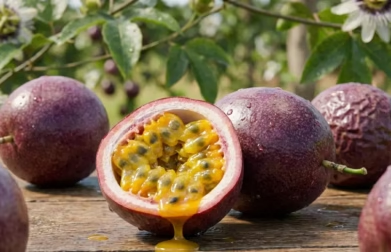
In the journey toward achieving a balanced lifestyle amid the fast pace of modern life, food choices go far beyond taste alone. They represent a conscious consideration of nutritional value and long-term health benefits. Passion fruit, with its distinctive intense tropical aroma and captivating sweet-and-tangy flavor, is more than just a refreshing fruit. It is widely recognized by the scientific and nutrition communities as a compact “superfood” packed with abundant natural energy and playing a vital role in supporting both physical and mental health.
The following article offers a comprehensive, in-depth, and science-based perspective on passion fruit, helping you understand why this exceptional fruit truly deserves a permanent place in the daily diet of a healthy and balanced lifestyle.
1. What Is Passion Fruit? An Overview of the Tropical “Gem”
Passion fruit, also known as chanh leo or mác-mác, has the scientific name Passiflora edulis. It is a climbing vine belonging to the passionflower family (Passifloraceae). Native to South America particularly Brazil, Paraguay, and Argentina passion fruit is now widely cultivated across tropical and subtropical regions, including Vietnam. (1)
In Vietnam, passion fruit thrives under highly favorable natural conditions, particularly in fertile basaltic red soil regions such as the Central Highlands (Gia Lai, Đắk Lắk, and Lâm Đồng). Benefiting from an optimal climate, Vietnamese passion fruit is distinguished by its rich, intense flavor and superior nutritional content.
Currently, two main types of passion fruit are widely available on the market:
-
Purple Passion Fruit (Passiflora edulis): Characterized by a deep purple rind when ripe, this variety is smaller in size but offers a more intense aroma and a sweeter flavor.
-
Yellow Passion Fruit (Passiflora edulis f. flavicarpa): Featuring a bright yellow rind and a larger size, this variety has a refreshing tartness and is commonly used in industrial processing.
Regardless of the variety, the inner pulp consisting of small seeds encased in a yellow-orange mucilaginous membrane (aril) is where the true nutritional essence of this fruit is concentrated.
2. Nutritional Value Table: The Power Behind the Numbers
To understand why passion fruit is considered a key element of a balanced lifestyle, it is essential to examine its nutritional composition. This fruit is known for its exceptionally high nutrient density.
Below is a nutritional composition table based on approximately 100 g of passion fruit (edible pulp): (2) (3)
| Nutrient | Amount (per 100 g) | % Daily Value (DV)* | Key Benefits |
|---|---|---|---|
| Energy | 97 kcal | 5% | Provides clean, natural energy |
| Carbohydrates | 23.38 g | 18% | Primary fuel for the body |
| Dietary Fiber | 10.4 g | 27% | Supports digestion, helps reduce cholesterol |
| Vitamin C | 30–33 mg | 33% | Supports immune function, promotes healthy skin |
| Vitamin A | 1,274 IU | 43% | Supports eye health, antioxidant properties |
| Potassium | 348 mg | 1.8–2.4% | Helps regulate blood pressure and cardiovascular function |
| Iron | 1.6 mg | 1.6–3.6% | Helps prevent iron deficiency |
| Magnesium | 29 mg | 7% | Supports stress reduction and bone health |
| Protein | 2.2 g | 4% | Contributes to muscle building and maintenance |
Percent Daily Values are based on a 2,000-calorie diet. Nutritional values may vary depending on the variety and ripeness of the fruit.
In-depth Assessment:
A closer look at the table above highlights dietary fiber and vitamin C as the most outstanding components. Just 100 g of passion fruit provides nearly half of the recommended daily intake of both dietary fiber and vitamin C. These compelling figures clearly underscore the position of passion fruit within the category of health-protective foods.
3. Core Health Benefits of Passion Fruit for Overall Well-Being
Health is not merely the absence of disease, but a state of complete physical, mental, and social well-being. Passion fruit positively influences most of these dimensions.
3.1. “Lá Chắn” Hệ Miễn Dịch: Vai Trò Của Vitamin C và Antioxidants
In the context of environmental pollution and the ongoing risk of disease, the immune system serves as the body’s most critical line of defense. Passion fruit is a true “reservoir” of vitamin C, beta-cryptoxanthin, and alpha-carotene.
-
Mechanism of Action: Vitamin C is an essential micronutrient that plays a central role in antioxidant defense and immune regulation. Through its electron-donating capacity, vitamin C functions as a potent antioxidant and serves as a cofactor for numerous enzymes involved in biosynthesis and gene regulation.
-
Vitamin C enhances immune function by strengthening epithelial barriers and reducing oxidative stress; supporting phagocytic cells in the elimination of pathogens; regulating inflammation and apoptosis; and promoting the differentiation and proliferation of B and T lymphocytes, thereby contributing to enhanced adaptive immunity.
-
Vitamin C deficiency impairs immune function and increases susceptibility to infection, while infection itself raises the body’s demand for vitamin C. (4)
-
-
Practical Effects: Regular consumption of passion fruit may help reduce the severity of common colds, alleviate inflammation in the body, and support faster wound healing. (5)
3.2. Improving Digestive Health: The Power of Dietary Fiber
A healthy digestive system is the foundation of overall health. With 10.4 g of dietary fiber per 100 g, passion fruit is one of the most fiber-rich fruits in the world.
-
Soluble fiber: Helps soften stool and nourishes beneficial gut microbiota, thereby improving nutrient absorption. (6)
-
Insoluble fiber: Acts like a “natural broom” helping to sweep waste through the intestinal tract, prevent constipation, and reduce the risk of colorectal cancer.(7)
3.3. Cardiovascular Protection and Blood Pressure Regulation
Cardiovascular diseases are increasingly affecting younger populations. Passion fruit offers a natural solution through its high potassium content and low sodium levels.
-
Electrolyte balance: Potassium helps relax blood vessels and enhance blood flow, thereby reducing strain on the heart and lowering blood pressure. (8)
-
Cholesterol control: The dietary fiber in passion fruit can bind to excess cholesterol in the bloodstream and facilitate its excretion, thereby helping to reduce the risk of atherosclerosis and stroke. (9)
3.4. Low Glycemic Index (Low GI): A Reliable Companion for People with Diabetes
Many people worry that the natural sweetness of fruit can raise blood sugar levels. However, passion fruit is an exceptional exception.
-
Passion fruit has a low glycemic index (GI). This means that after consumption, blood sugar levels rise gradually rather than spiking, helping the body better regulate insulin. (10)
-
The compound piceatannol, found in passion fruit, is also being studied for its potential to improve insulin sensitivity, offering new hope for supporting the management of type 2 diabetes. (11)
3.5. Stress Reduction, Relaxation, and Sleep Improvement
A balanced lifestyle cannot be complete without quality sleep. Since ancient times, the flowers and fruit of the passionflower family have been used as a mild natural sedative.
-
Passion fruit contains magnesium and alkaloids such as harman, which help soothe the central nervous system, reduce anxiety and restlessness, and support deeper sleep. A warm glass of passion fruit juice with a touch of honey before bedtime is an excellent natural remedy for relieving stress after a long, busy day. (12)
4. Passion Fruit in Weight Management and Beauty
Not only beneficial for internal health, passion fruit is also a secret to radiant beauty and a slim figure.
4.1. Supporting Natural Weight Loss
If you are following a diet plan or practicing an eat-clean lifestyle, passion fruit is a top choice.
-
Satiety: The high fiber content helps you feel full more quickly and for longer periods, reducing cravings for snacks.
-
Low in Calories: With less than 100 calories per 100 g, you can enjoy passion fruit freely without worrying about excess energy intake.
4.2. A Natural “Cosmetic” for the Skin
Skin aging caused by sun exposure and natural aging is a common concern for many people.
-
Collagen Synthesis: Vitamin C is an essential cofactor for the body’s production of collagen a protein that helps the skin remain elastic, firm, and youthful.
-
Anti-Aging: Antioxidants such as riboflavin and carotene help protect skin cells from damage caused by UV radiation and environmental pollution, slowing the formation of wrinkles.
5. Scientific and Effective Ways to Use Passion Fruit
To maximize the benefits of passion fruit without causing side effects, consumers need to be aware of proper preparation methods and appropriate serving sizes.
5.1. Diversifying Preparation Methods
Don’t stop at just passion fruit juice. Try the following methods to enrich your menu:
-
Passion Fruit Yogurt: Combining probiotics from yogurt with prebiotic fiber from passion fruit creates a “feast” for the gut.
-
Salad Dressing: Mix passion fruit juice with olive oil and a touch of yellow mustard to create a sweet-and-tangy, aromatic dressing for your salads.
-
Topping for Grilled Dishes: Drizzle passion fruit sauce over seared salmon or grilled chicken breast to balance richness and stimulate the palate.
5.2. Notes on Passion Fruit Seeds
Passion fruit seeds are completely edible and are rich in dietary fiber. However, they should be chewed thoroughly. For individuals with gastric ulcers or colonic diverticula, it is advisable to remove the seeds to avoid mechanical irritation.
6. Important Considerations When Using Passion Fruit (Health Warnings)
Although it is a healthy food, “balance” means not overconsuming it. Here are essential precautions for safely using passion fruit:
-
Gastrointestinal Issues: Passion fruit contains high levels of organic acids (citric acid, malic acid). Individuals with acute gastric ulcers or gastroesophageal reflux disease (GERD) should limit consumption of overly sour passion fruit or avoid eating it on an empty stomach. It is recommended to dilute the juice and consume it after meals.
-
Allergies (Latex-Fruit Syndrome): Some people allergic to latex may also react to passion fruit due to similar protein structures. If you experience itching in the mouth, swollen lips, or difficulty breathing after consumption, stop using it immediately.
-
Drug Interactions: Passion fruit may interact with certain sedatives or antihistamines, potentially increasing drowsiness. Consult a physician if you are undergoing treatment for neurological conditions.
-
Surgery: Due to its effects on the central nervous system, passion fruit should be discontinued at least two weeks before surgery to avoid interference with anesthesia.
7. How to Select and Store Passion Fruit Properly
To get the most delicious and nutrient-rich passion fruits, you need some selection tips:
-
Check the skin: Many people mistakenly think that smooth, shiny-skinned fruits are the best. In fact, passion fruit especially the purple variety is at its peak ripeness when the skin begins to show slight wrinkles. At this stage, the natural sugar content is highest and the aroma is most pronounced. However, avoid fruits that are excessively wrinkled, shriveled, or show signs of mold.
-
Feel the weight: The fruit should feel heavy in hand. Light fruits are often hollow or have little juice.
-
Smell: Naturally ripe fruits emit a subtle fragrance even before cutting.
-
Storage:
-
If the fruit is unripe: Store at room temperature in a cool, ventilated place.
-
If the fruit is ripe: Place it in a zip-lock bag or airtight container and store in the refrigerator (good for up to one week).
-
Freezing: You can scoop out the pulp, divide it into ice cube trays or small bags, and freeze for use over several months while retaining its original flavor.
-
8. Conclusion: Passion Fruit – The Perfect Piece for Modern Living
In today’s diverse food landscape, passion fruit stands out not merely as a refreshing fruit but as a comprehensive nutritional solution. From strengthening the immune system and supporting cardiovascular health to aiding digestion and enhancing beauty and mental well-being, passion fruit fully meets the needs of a body that requires careful care.
Choosing passion fruit means choosing Natural, Safe, and Balanced. Start your day with the fresh energy of passion fruit, or end a long day with the relaxation this fruit provides. It’s the simplest way to show self-care and elevate your quality of life every day.
Try passion fruit today and start your journey to a healthier, balanced lifestyle!
Contact us:
📞 Phone / WhatsApp: +84 785 017 575 | +84 778 078 134 | +84 033 531 3567
📧 Email: mia@greatfarmer.com.vn | clay@greatfarmer.com.vn | loan@greatfarmer.com.vn
🌐 Website: www.greatfarmer.com.vn
 Blog & News