
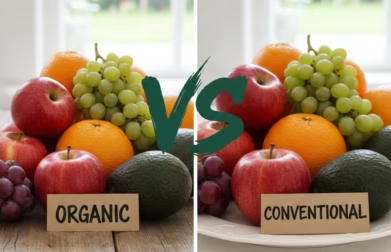
In an era where concerns about health and food safety are placed at the forefront, the term “organic fruits” is no longer unfamiliar to consumers. However, amid the overwhelming maze of labels found in supermarkets, have you truly understood the real essence of organic fruits? Does the price premium genuinely reflect superior nutritional value, or is it merely a marketing strategy?
This in-depth article will provide you with a comprehensive, scientific, and practical perspective on organic fruits, empowering you to make informed and responsible consumption decisions for yourself and your family.
1. What Are Organic Fruits? A Precise Definition
To fully understand their value, it is essential to first establish a clear and unified definition. Organic fruits are not simply “clean” fruits. They are the result of a rigorous agricultural cultivation process that strictly adheres to internationally recognized standards for environmental protection and human health.
1.1. Nature-Based Farming Practices
Organic fruits are cultivated in harmony with natural ecosystems. This means that:
-
Synthetic or chemical fertilizers are not used.
-
Sewage sludge is strictly prohibited as a fertilizer.
-
Synthetic pesticides and herbicides are not permitted.
-
Genetically modified organisms (Non-GMO) are not used.
-
Ionizing radiation is not applied for preservation purposes.
Instead, farmers rely on organic fertilizers (such as composted manure and green manure), implement crop rotation practices, and use beneficial insects and natural predators to control pests and diseases. (1)
1.2. Soil and Water Standards
To qualify for organic fruit certification, orchards must undergo a conversion period typically lasting three years during which the soil is thoroughly cleansed of chemical residues from previous farming cycles. Irrigation water sources are also subject to rigorous testing to ensure they are free from heavy metal contamination and other harmful substances.
Important Note: “Clean fruits” (GAP/VietGAP) and “organic fruits” (Organic) are two distinct concepts. While clean fruits may allow the controlled use of chemical inputs within permitted safety limits, organic fruits strictly prohibit the use of synthetic chemicals at any stage of cultivation and processing.
2. Comparison: Organic Fruits vs. Conventional Fruits
The differences between these two types of fruits extend far beyond their outward appearance; they are deeply rooted in nutritional composition and biological impact on human health.
2.1. Pesticide Residues
This is the foremost concern for consumers. Conventional fruits are commonly treated with pesticides to maximize yields and enhance visual appeal. Even after thorough washing, trace amounts of these chemicals may penetrate the skin and accumulate within the fruit’s flesh.
In contrast, organic fruits minimize this risk to the greatest extent possible, offering superior peace of mind—particularly for young children, the elderly, and individuals undergoing medical treatment.
2.2. Higher Nutritional Content
-
Numerous scientific studies, including meta-analyses published in the British Journal of Nutrition, have demonstrated that:
-
Higher antioxidant levels: Organic fruits contain 19% to 69% higher concentrations of antioxidants, such as polyphenols and flavonoids, compared to conventional fruits. This is because, in the absence of synthetic pesticides, plants naturally produce these compounds as a self-defense mechanism against pests and environmental stressors compounds that are, in turn, highly beneficial to human health. (2)
-
Vitamins and minerals: Organic fruits generally contain higher levels of Vitamin C, iron, magnesium, and phosphorus, contributing to improved nutritional quality and overall health benefits. (3)
-
Lower Cadmium levels: Cadmium is a toxic heavy metal commonly found in chemical fertilizers. Organic fruits contain significantly lower levels of cadmium, making them a safer choice for long-term consumption.
2.3. Flavor and Taste
Food enthusiasts often note that organic fruits have a richer, more authentic, and more natural flavor. Because the fruits grow at a natural pace, sugars and aroma compounds have sufficient time to fully develop. They are not artificially “forced” to ripen or diluted with excess water caused by chemical fertilizers and growth stimulants.
3. Detailed Comparison Table: Organic Fruits vs. Conventional Fruits
To help you visualize the differences more clearly, the table below highlights the most important comparison criteria:
| Criteria | Organic Fruits | Conventional Fruits |
|---|---|---|
| Plant varieties | Heirloom or naturally bred varieties, Non-GMO | May use genetically modified (GMO) varieties to increase yield |
| Fertilizers | Animal manure, green manure, composted organic waste | Synthetic chemical fertilizers (nitrogen, phosphorus, potassium-based) |
| Pest control | Natural predators (birds, beneficial insects), manual traps, herbal and biological preparations | Chemical pesticides, herbicides, fungicides |
| External appearance | Irregular sizes, slightly rough skin, less vibrant colors, possible blemishes | Uniform size, glossy skin, bright and visually “perfect” |
| Flavor | Rich, aromatic, naturally sweet, firm texture | Often milder flavor; may be watery or soft with less depth |
| Shelf life | Shorter due to the absence of preservatives; requires refrigeration | Longer shelf life due to preservation technologies and pesticide residues |
| Price | Higher (typically 20%–100% more, depending on the fruit) | Lower and more affordable for mass consumption |
| PLU code (label) | 5 digits, starting with 9 (e.g., 94011) | 4 digits, starting with 3 or 4 (e.g., 4011) |
4. Why Are Organic Fruits More Expensive?
When looking at the price list, many customers may hesitate. However, this price truly reflects the real value and effort behind organic production. You are not just paying for the fruit itself, but also for:
-
Higher labor costs: Organic farming requires significantly more manual labor than conventional farming. Tasks such as hand weeding, manual pest removal, and close crop monitoring replace large-scale chemical spraying, resulting in higher labor expenses.
-
Lower yields: Because organic farming does not use synthetic growth stimulants or chemical fertilizers, crop yields are generally lower than those of industrial farming. This naturally increases the cost per unit of produce.
-
Certification costs: To obtain recognized certifications such as USDA Organic (USA), EU Organic (Europe), or JAS (Japan), farms must undergo strict inspections and regular audits, which involve substantial certification and compliance fees.
-
Environmental protection: By choosing organic fruits, you are effectively paying an “environmental insurance premium” that helps protect soil health, water resources, and the long-term sustainability of ecosystems.
A long-term investment perspective: Consider purchasing organic food as an investment in your long-term health. Reducing exposure to harmful chemicals may help lower the risk of chronic diseases and potentially reduce future medical expenses.
5. The “Dirty Dozen” and “Clean Fifteen”: When Should You Buy Organic?
If your budget is limited, you don’t have to buy 100% organic produce. Each year, the Environmental Working Group (EWG) publishes consumer guides to help shoppers make smarter choices when it comes to pesticide exposure.
5.1. The Dirty Dozen (12 Produce Items with the Highest Pesticide Residues)
These are the fruits and vegetables you are strongly advised to buy organic, as they tend to have thin skins, absorb pesticides easily, or are more prone to pests and therefore heavily sprayed:
-
Strawberries
-
Spinach
-
Kale
-
Nectarines
-
Apples
-
Grapes
-
Peaches
-
Cherries
-
Pears
-
Tomatoes
-
Celery
-
Potatoes
5.2. The Clean Fifteen (Produce with the Lowest Pesticide Residues)
These items are generally safe to buy conventional (non-organic) if you want to save money, as they usually have thicker protective skins or are less susceptible to pests:
-
Avocados
-
Sweet corn
-
Pineapple
-
Onions
-
Papaya
-
Eggplant
-
Asparagus
-
Broccoli
-
Cabbage
-
Cauliflower
-
Mushrooms
-
Cantaloupe
-
Watermelon
6. “Golden” Health Benefits of Consuming Organic Fruits Regularly
6.1. Strengthens the Immune System
By avoiding immune-suppressing chemicals and being rich in naturally occurring vitamins, organic fruits help the body build a strong defense system against viruses and bacteria. (4)
6.2. Reduced Risk of Allergies
In many cases, what are believed to be food allergies are actually reactions to pesticide residues or chemical preservatives left on fruits. Switching to organic produce can significantly reduce exposure to these substances and may help alleviate allergy-related symptoms in sensitive individuals.
7. How to Identify Organic Fruits Using PLU Codes
You can identify how fruits are grown by checking the PLU code on the sticker:
-
4-digit codes (starting with 3 or 4 – e.g., 3xxx or 4xxx):
Conventionally grown produce (uses chemical pesticides and synthetic fertilizers). -
5-digit codes starting with 8 (8xxxx):
Genetically Modified (GMO) produce. -
5-digit codes starting with 9 (9xxxx):
Organic fruits — this is the option you should choose!
7.1. Look for Trusted Certification Logos
Don’t rely solely on verbal claims — trust official certification seals. Reputable global organic certifications include:
-
USDA Organic – United States Department of Agriculture (one of the strictest organic standards)
-
EU Organic / Euro Leaf – European Union organic certification
-
JAS – Japanese Agricultural Standard
-
ACO – Australian Certified Organic
7.2. Use Your Senses
Organic fruits typically do not look overly shiny or “perfect.”
For example, an organic apple may appear slightly dull, be medium in size, feel firm in the hand, and have a distinct natural aroma even before peeling.
8. How to Properly Store Organic Fruits
Because they contain no preservatives (such as wax coatings or antifungal chemicals), organic fruits require more careful handling and storage.
-
Buy only what you need: Purchase just enough fruit to consume within 3–4 days to ensure freshness and reduce waste.
-
Do not wash before storage: Wash fruits only right before eating. Washing them in advance and then refrigerating can cause excess moisture, leading to faster spoilage.
-
Separate ethylene-producing fruits: Fruits that release ethylene gas (such as apples and bananas) should be stored separately, as this gas accelerates ripening and can cause other fruits to spoil more quickly.
-
Store at the right temperature: Keeping organic fruits in the refrigerator’s fresh compartment at around 4–8°C (39–46°F) is ideal for maintaining freshness.
9. Conclusion: A Choice for the Future
The debate between organic fruits and conventional produce may continue, but consumer trends are clearly shifting toward organic choices. Choosing organic fruits is not only about protecting the health of you and your family from potential chemical risks it is also a conscious act of supporting sustainable agriculture and protecting our planet.
While organic fruits may come at a higher price, the principle of “prevention is better than cure” still holds true. Start changing your consumption habits today beginning with fruits from the “Dirty Dozen” list. Health is priceless, and what you put into your body every day forms the foundation of that priceless asset.
Are you ready to transition to a greener, cleaner, and healthier lifestyle?
If you are looking for a trusted supplier of organic fruits with full certifications, clear origins, and daily freshness, feel free to visit our store or leave a comment below. Great Farmer be happy to help you build a personalized nutrition plan that best suits your family’s needs.
Frequently Asked Questions (FAQ)
1. Can eating organic fruits cure cancer?
Answer:
There is currently no scientific evidence proving that organic fruits can cure cancer. However, reducing exposure to harmful chemicals and increasing the intake of natural antioxidants from organic foods may help prevent cancer and lower the risk of developing the disease over the long term.
2. Are homegrown fruits considered organic?
Answer:
Technically, yes if you grow fruits without using chemical pesticides or synthetic fertilizers. However, to be officially labeled and sold as “Organic,” the farm or garden must be inspected and certified by a third-party organization that verifies soil quality, water sources, and production processes.
3. Can washing conventional fruits thoroughly with salt water remove all pesticides?
Answer:
Not completely. Washing fruits with salt water or using ozone machines can help remove surface residues, but systemic pesticides, which are absorbed into the fruit’s flesh, cannot be washed away. This is why organic fruits remain the safest choice when it comes to minimizing pesticide exposure.
 Blog & News