
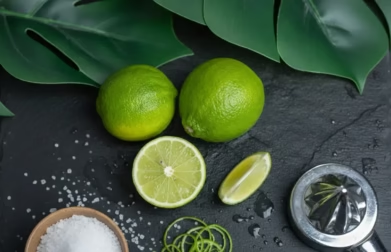
Small, round, green, and sharply sour, lime is a fruit whose name alone can make one’s mouth water. It appears everywhere: in a refreshing summer drink, a humble bowl of sour soup, a plate of street-side seafood, and even in health remedies passed down through generations. Lime needs no loud promotion its quiet, constant presence is more than enough to affirm its value.
Few people realize that such a tiny fruit can influence so many aspects of daily life: awakening the palate, balancing flavors in cooking, helping the body fight fatigue, and contributing to healthier skin. In the culinary world, lime is like a supporting character that nevertheless shows up in almost every important moment.
Unpretentious and inexpensive, lime exists as one of the most accessible sources of natural power. It is precisely this simplicity that allows lime to transcend the role of an ordinary fruit, becoming a versatile ingredient closely tied to human health and everyday habits.
This article will not only look at lime as a familiar fruit, but will also unpack the values hidden behind its distinctive
1. What Is Lime? Understanding One of the Most Common Tropical Fruits
To fully appreciate the value of lime, we first need a proper understanding of its origins and characteristics, as well as how it differs from its closely related “siblings.”
1.1. Origin and biological characteristics
Lime, commonly known in Vietnam as chanh ta or green lime, is a fruit belonging to the citrus genus (Citrus). The most widely cultivated commercial varieties today include Key lime (Citrus aurantifolia), Persian lime (Citrus latifolia), and *seedless lime.
Originating in Southeast Asia and South Asia, lime has traveled across the globe and become an indispensable part of the culinary cultures of many countries from Mexico and Thailand to Vietnam. Lime trees are typically shrubs or small trees, often thorny, with dark green leaves and fragrant white flowers.
The fruit is characteristically round, with a diameter of about 3–6 cm. Its peel is thin and green when unripe, sometimes turning slightly yellow when fully ripe (depending on the variety). Inside are juicy segments rich in citric acid, which give lime its sharp, intense sourness and its fresh, vibrant aroma.
1.2. Distinguishing Lime and Lemon
This is one of the most common sources of confusion among consumers. Although both belong to the Citrus family and share a sour taste, lime and lemon (also known as yellow lemon) are two distinct fruits with clear differences in their characteristics and applications.
| Comparison Criteria | Lime | Lemon |
|---|---|---|
| Peel Color | Green (sometimes slightly yellow when fully ripe) | Bright yellow |
| Size & Shape | Smaller, rounder (3–6 cm in diameter) | Larger, oval-shaped (5–10 cm in diameter) |
| Flavor Profile | Sharply acidic and intense; may have a slight bitter aftertaste from the peel | Milder acidity, cleaner and more refreshing, slightly sweeter than lime |
| Citric Acid Content | Higher (approximately 8%) | Lower (approximately 5–6%) |
| Common Uses | Dipping sauces, beverages, Southeast Asian and Latin American cuisine | Western cooking, baking, beverage garnishing, and cleaning products |
Understanding these differences helps you choose the right fruit for your intended use, especially in recipes that require a specific flavor profile. This article focuses specifically on lime.
2. Core Nutritional Value of Lime
The true strength of lime lies not in its calorie content, but in its high nutrient density. Lime is one of the richest natural sources of vitamin C, along with a range of powerful antioxidants.
Below is the average nutritional value found in one fresh lime (approximately 100 grams):
Table 1: Nutritional composition per 100 g of fresh lime (according to SelfMadeHealth)
| Nutrient | Amount | % Daily Value (DV)* |
|---|---|---|
| Calories | 30 kcal | 1% |
| Carbohydrates | 10.5 g | 3% |
| └ Sugars | 1.69 g | – |
| └ Dietary Fiber | 2.8 g | – |
| Protein | 0.7 g | – |
| Fat | 0.2 g | 0% |
| Vitamin C | 29.1 mg | 35% |
| Vitamin B6 | 0.043 mg | 3% |
| Potassium | 102 mg | – |
| Iron | 0.6 mg | 5% |
| Calcium | 33 mg | 3% |
% Daily Values (DV) are based on a 2,000-calorie daily diet.
Nutritional Analysis:
Based on the table above, a single small lime already provides over 30% of the recommended daily intake of vitamin C. This is the key factor behind most of lime’s well-known health benefits.
In addition, lime contains small yet significant amounts of essential minerals such as potassium (beneficial for blood pressure regulation), iron, and calcium, along with several B-group vitamins. Notably, lime is rich in biologically active plant compounds (phytochemicals) such as flavonoids, limonoids, and quercetin, which act as powerful antioxidant and anti-inflammatory agents.
3. Top 10 Proven Health Benefits of Lime
From traditional medicine to modern science, the health benefits of lime have long been highly regarded. Incorporating lime into your daily diet in a balanced and appropriate way can deliver lasting positive effects on overall health.
3.1. Strong Immune System Support
This is the most well-known benefit of lime. Vitamin C (ascorbic acid) is an essential nutrient that the human body cannot synthesize on its own and acts as a “gatekeeper” of the immune system.
Vitamin C in lime stimulates the production of white blood cells the body’s first line of defense against invading bacteria and viruses. It also enhances their effectiveness while protecting them from damage caused by free radicals. Regular consumption of warm lime water, especially during colder seasons, is a simple and effective way to help prevent colds and respiratory infections. (1)
3.2. Improved Skin Health and Anti-Aging Effects
Lime is often considered a form of “natural skincare” from within. Vitamin C is indispensable for collagen synthesis the primary structural protein responsible for firm, elastic, and youthful skin.
Moreover, the antioxidants found in lime help protect the skin from damage caused by UV radiation and environmental pollution, reducing the formation of wrinkles, dark spots, and age spots. Lime’s mild acidity, when used topically with caution, may also help exfoliate dead skin cells and brighten the complexion. (2) (3)
3.3. Digestive and Gut Health Support
The sour taste of lime comes from citric acid, which has a chemical structure similar to hydrochloric acid in the stomach. Drinking lime water especially warm lime water in the morning may stimulate bile production in the liver and promote gastric acid secretion.
This supports smoother digestion, helping reduce symptoms such as indigestion, bloating, and abdominal discomfort. The pectin fiber found in lime pulp and peel (if consumed) also serves as a valuable prebiotic, nourishing beneficial gut bacteria. (4)
3.4. Weight Management and Weight Loss Support
Lime is an excellent companion in weight management plans. While it does not directly “burn fat,” it offers effective indirect support:
-
Replacing sugary beverages: Unsweetened lime water is an ideal alternative to soft drinks or sweetened teas, significantly reducing calorie intake.
-
Enhanced satiety: Pectin fiber helps promote a feeling of fullness, reducing snacking and overeating.
-
Metabolic support: Some studies suggest that adequate hydration especially with lime-infused water can help optimize metabolic processes.
3.5. Reduced Risk of Cardiovascular Disease
Cardiovascular disease remains the leading cause of death worldwide. Lime may help protect heart health through multiple mechanisms.
High vitamin C intake has been associated with a reduced risk of heart disease and stroke. Flavonoids in lime, such as hesperidin, help lower levels of LDL (“bad”) cholesterol and triglycerides, improve blood vessel function, enhance circulation, and support healthy blood pressure levels. (5)
3.6. Kidney Stone Prevention
Kidney stones typically form when urine becomes overly concentrated with minerals, most commonly calcium oxalate.
Citric acid in fresh lime acts as a natural inhibitor of kidney stone formation by increasing urinary citrate levels. Citrate binds to calcium, preventing it from combining with oxalate to form stones. Regular consumption of diluted lime juice is a simple and effective preventive strategy often recommended by urologists. (6)
3.7. Enhanced Iron Absorption and Anemia Prevention
Iron-deficiency anemia is common, particularly among women and individuals following plant-based diets. Non-heme iron from plant sources is generally less bioavailable than heme iron from animal products.
Fortunately, vitamin C and citric acid in lime significantly enhance the absorption of non-heme iron. Adding a splash of lime juice to spinach salads, lentil dishes, or boiled greens not only improves flavor but also maximizes iron uptake from meals. (7)
3.8. Antibacterial and Antifungal Properties
Historically, before the advent of refrigeration and antibiotics, lime was used to preserve food and combat infections. Modern research confirms that lime peel essential oil and lime juice can inhibit the growth of various pathogenic bacteria (such as E. coli and Salmonella) and certain yeasts (such as Candida). This explains why lime is commonly served with raw seafood to help reduce the risk of foodborne illness. (8)
3.9. Blood Sugar Control Support
Although lime contains small amounts of natural sugar, it has a very low glycemic index (GI). Additionally, soluble fiber and polyphenolic compounds in lime can slow glucose absorption after meals. This helps prevent sudden spikes in blood sugar levels, making lime particularly beneficial for individuals with type 2 diabetes or those at risk. (9)
3.10. Potential Anti-Cancer Properties (via Antioxidants)
While further human studies are needed, laboratory research suggests that powerful antioxidants in lime such as flavonoids and limonoids may inhibit the growth of certain cancer cell lines. These compounds work by neutralizing DNA-damaging free radicals and promoting programmed cell death (apoptosis) in abnormal cells. (10)
4. The Versatile Applications of Lime in Cuisine and Daily Life
The presence of lime goes far beyond that of an ordinary fruit; it is a truly versatile ingredient found in almost every household.
4.1. The “Soul” of Dipping Sauces and Seasonings
In Vietnamese and Southeast Asian cuisine, lime plays an indispensable role in balancing flavors. Its bright acidity helps offset the saltiness of fish sauce, the richness of fats, and the heat of chili.
-
Dipping sauces: Iconic dishes such as bún chả dipping sauce, ginger fish sauce for duck, or salt–pepper–lime sauce for boiled chicken would lose their “soul” without a few drops of fresh lime juice.
-
Acid-based cooking (Ceviche/Gỏi): Lime’s strong acidity denatures proteins in raw fish or shrimp, creating fresh “no-heat” dishes such as Latin American ceviche, while preserving the natural sweetness of seafood.
-
Odor removal: Lime is a powerful natural remedy for eliminating fishy odors from seafood before cooking.
4.2. Refreshing Beverages and Body Detoxification
-
Traditional limeade: A simple blend of water, sugar (or honey), ice, and fresh lime juice—this is a classic, widely loved refreshment during hot summer days.
-
Warm lime water in the morning: A glass of warm water with a few drops of lime juice and honey, consumed on an empty stomach, is an excellent habit for activating digestion and gently detoxifying the body.
-
Cocktails and mocktails: Lime is a core ingredient in many world-famous drinks such as Mojito, Daiquiri, and Margarita, adding freshness and balancing the sweetness of spirits or syrups.
4.3. Household Cleaning and Deodorizing Uses
Thanks to its natural acidity and pleasant aroma, lime serves as a safe and effective natural cleaning agent:
-
Refrigerator deodorizer: Place half a lime or squeezed lime peels in a corner of the refrigerator to absorb unpleasant odors.
-
Cleaning wooden cutting boards: Sprinkle salt on the board and scrub vigorously with half a lime to disinfect and remove fishy smells.
-
Removing limescale: Lime juice can be used to dissolve calcium deposits and stains on stainless steel faucets and sinks, restoring their shine.
5. A Practical Guide to Selecting, Storing, and Using Lime Properly
To fully maximize the benefits of lime, it is important to know how to select high-quality fruit and use it in a scientifically sound way.
5.1. How to Choose Fresh, Juicy Limes
Not all limes are created equal. Keep the following tips in mind when shopping:
-
Appearance: Choose limes with a bright green, smooth, and glossy peel. Avoid fruits with soft brown spots, excessive wrinkling, or signs of dehydration.
-
Weight: Pick up the lime those that feel heavier for their size are typically juicier.
-
Firmness: Gently press the peel with your finger. A fresh lime should have good elasticity and relatively thin skin. Limes with overly thick and hard peels tend to be drier and more bitter.
-
Pro tip: Thin-skinned, smooth limes generally contain more juice and aroma than thick-skinned, rough varieties.
5.2. Proper Lime Storage Methods
-
At room temperature: Limes can be stored for about one week in a cool, well-ventilated area away from direct sunlight. Beyond this period, the peel may dry out and moisture content will decline.
-
In the refrigerator: This is the most effective method. Store limes in a sealed plastic bag or airtight container in the refrigerator’s crisper drawer. This can keep limes fresh for up to 3–4 weeks.
-
Freezing: If you have an excess supply, squeeze the juice and freeze it in ice cube trays. These “lime cubes” are convenient to use whenever needed.
Tip for maximum juice extraction: Before cutting, roll the lime firmly on a hard surface a few times. This helps break down the internal segments, making the lime easier to juice and increasing yield.
5.3. Important Considerations and Potential Side Effects of Lime Consumption
Although lime is highly beneficial, “too much of a good thing can be harmful.” Overuse or improper consumption may lead to the following issues:
-
Tooth enamel erosion:
Citric acid in lime is highly erosive. Regularly drinking undiluted lime juice or sucking on lime slices can damage tooth enamel, leading to tooth sensitivity.
Solution: Always dilute lime juice with water, use a straw to minimize contact with teeth, and rinse your mouth with plain water after drinking. -
Gastroesophageal reflux disease (GERD):
For individuals with sensitive stomachs or acid reflux, the acidity of lime may worsen symptoms such as heartburn and gastric discomfort. -
Skin irritation when exposed to sunlight:
Certain compounds in lime peel (such as psoralen) can cause phytophotodermatitis when they come into contact with the skin and are exposed to strong sunlight, potentially resulting in inflammation, blistering, or skin darkening.
Precaution: Wash your hands thoroughly after handling or squeezing lime.
6. Conclusion: Incorporate Lime into Your Daily Diet
Lime is truly a valuable gift from nature. With its low cost, wide availability, and exceptional versatility, there is little reason to overlook this natural “superfood.”
Just one small lime a day can be a simple key to a stronger immune system, healthier and more radiant skin, and smoother digestion. However, it is important to remember that lime is a health-supporting food, not a medical treatment. Use it wisely, in moderation, and as part of a balanced diet and healthy lifestyle to achieve optimal results.
Start today by adding a slice of fresh lime to your glass of water and experience the refreshing difference brought by this “small fruit with big benefits.”
Contact us:
📞 Phone / WhatsApp: +84 785 017 575 | +84 778 078 134 | +84 033 531 3567
📧 Email: mia@greatfarmer.com.vn | clay@greatfarmer.com.vn | loan@greatfarmer.com.vn
🌐 Website: www.greatfarmer.com.vn
 Blog & News