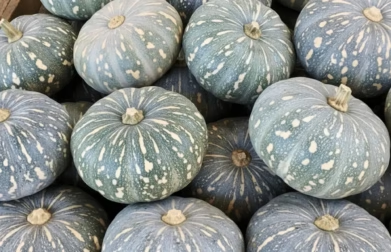
In the diverse world of agricultural products, few foods have made such a remarkable impression and gained as much attention as Japanese Pumpkin, also known by its familiar name Kabocha. This dark-skinned, modest-looking pumpkin has risen to become a beloved ingredient across the globe.
But what exactly drives Japanese pumpkin popularity? It is far more than a passing culinary trend. Its rise is the result of a perfect combination of exceptional flavor, impressive nutritional value, and remarkable versatility.
This article will dive deeper into the reasons Why Japanese pumpkin is famous, exploring its unique characteristics, health benefits, and why it has become a strategic commodity in the Japanese pumpkin global market especially for B2B partners, wholesalers, and exporters.
1. Decoding Japanese Pumpkin: Origins and Identifying Characteristics
Before analyzing its success, we need to clearly understand what this product is.
History and Origins of Japanese Pumpkin
The pumpkin species later known as nihon kabocha (Japanese pumpkin) is believed to have been first cultivated in Central America. Pumpkin seeds have been found at archaeological sites in Mexico (5000 BCE) and Peru (3000 BCE). European explorers likely brought pumpkins to Europe in the 16th century, and they subsequently spread as far as China and Japan. (1)
Although it is called “Japanese pumpkin,” Kabocha was actually introduced to Japan by Portuguese sailors from Cambodia in the 16th century (the name “Kabocha” is believed to originate from “Camboja“). However, it was Japanese agronomists who persistently improved, crossbred, and perfected it over the centuries. They focused on enhancing sweetness, improving texture, and optimizing Japanese pumpkin farming practices to produce a high-quality product as we know it today. (2)
Japanese Pumpkin Characteristics
Kabocha cannot be confused with other types of pumpkin:
-
Skin: Usually dark green, rough with faint stripes, and very hard when fresh. Interestingly, the skin is completely edible after cooking and is rich in nutrients.
-
Shape: Typically flattened and slightly square, not perfectly round like traditional pumpkins.
-
Flesh: This is the “selling point.” The flesh is bright orange-yellow, deep in color, indicating a high content of beta-carotene.
-
Seeds: Small and concentrated in the center, maximizing the usable portion of the fruit flesh.
2. Unique Flavor: The Globally ‘Addictive’ Factor
The main reason chefs and consumers are fascinated by Japanese Pumpkin lies in its Japanese pumpkin texture and flavor.
Distinctive Flavor:
Kabocha possesses an exceptionally distinctive, complex, and intensely sweet flavor. It is not the mild sweetness of water, but a rich, deep sweetness, often described as a perfect blend of roasted chestnut and sweet potato. This sweetness comes from its high content of natural sugars and starch, making it stand out in any dish.
Dreamy ‘Fluffy’ Texture
If you have ever been disappointed with other pumpkins turning watery, stringy, and mushy when cooked, Kabocha is the answer. Its texture is the biggest differentiator:
-
Creamy: When cooked, the flesh becomes extremely smooth and velvety.
-
Fluffy & Dry: It has a significantly lower water content compared to other pumpkins. This means that when roasted or steamed, it does not become “soggy,” but instead develops a light, fluffy texture, similar to a perfectly baked potato.
-
Not stringy: Free from unpleasant fibers, providing a premium eating experience.
Quick Comparison: Japanese Pumpkin vs Regular Pumpkin
To clarify the differences, here is a visual comparison table between Kabocha and regular pumpkins (such as those used for Halloween carving or large round red pumpkins).
| Feature | Japanese Pumpkin (Kabocha) | Regular Pumpkin |
|---|---|---|
| Flavor | Very sweet, rich, reminiscent of chestnut and sweet potato | Bland, vegetal, less sweet |
| Texture | Fluffy, smooth, dense, high in starch | Watery, stringy, prone to becoming mushy when cooked |
| Water Content | Low | Very high |
| Skin | Hard when raw, soft and edible when cooked | Very hard, fibrous, usually inedible |
| Best Uses | Roasting, steaming, creamy soups, tempura, desserts | Puree (if finely strained), thin soups, animal feed |
This comparison table explains why Japanese pumpkin for food manufacturers is highly favored.
3. Comprehensive ‘Superfood’: Exceptional Nutritional Benefits
The appeal of Kabocha goes beyond its flavor. It is also a nutritional powerhouse, meeting the growing consumer demand for healthy, functional foods.
Giant Source of Beta-Carotene (Kabocha pumpkin benefits)
The vibrant orange flesh of Kabocha pumpkin is a clear indicator of its exceptionally high beta-carotene content (a precursor of Vitamin A).
-
Supports Vision: Vitamin A is essential for eye health and helps protect the cornea. (3)
-
Immune System Support: Beta-carotene is a powerful antioxidant that helps neutralize free radicals and supports the body’s immune system. (4)
-
Skin Health: Beta-carotene helps protect the skin from UV damage and promotes healthy skin. (5)
Rich in Vitamins and Minerals (Japanese Pumpkin Nutrition)
Beyond Vitamin A, the health benefits of Japanese pumpkin also come from:
-
Vitamin C: Another important antioxidant, necessary for collagen production and enhancing the body’s defense system. (6)
-
Dietary Fiber: With abundant fiber (from both the flesh and edible skin), Kabocha supports digestive health, promotes satiety, and helps regulate blood sugar levels. (7)
-
Potassium: Essential for heart health and maintaining stable blood pressure. (8)
-
Low Calories: Despite its sweet and nutty flavor, Kabocha is relatively low in calories, making it an ideal choice for weight management..
4. Culinary Versatility: From Traditional to Modern
One of the biggest reasons for its global popularity is its adaptability. The uses of Japanese pumpkin are virtually limitless.
Diverse Cooking Methods (Japanese Pumpkin Cooking Methods):
Its low-water content allows it to shine in a variety of cooking techniques:
-
Roasting: The most popular method to highlight its natural sweetness. With just a drizzle of olive oil, salt, and pepper, the oven caramelizes the natural sugars, creating a perfect side dish.
-
Steaming: A simple way to preserve the full flavor and tender texture.
-
Tempura: A classic Japanese dish. Thinly sliced Kabocha, dipped in batter, and fried to a crisp makes for an elegant appetizer.
-
Soup: Unlike other pumpkin soups that may require heavy cream for thickness, Kabocha soup is naturally creamy and smooth on its own.
From Savory Dishes to Desserts (Japanese Pumpkin Recipes)
Kabocha easily crosses the boundary between savory and sweet:
-
Savory Dishes: Commonly used in stews (such as Japanese Nitsuke), curries, risotto, or as a filling for pasta.
-
Sweet Dishes: Its natural sweetness makes it an excellent choice for baked goods, pies (a perfect substitute for traditional pumpkin), puddings, and even ice cream.
5. B2B Perspective: Why Japanese Pumpkin Is a Strategic Product
For importers, distributors, Japanese pumpkin exporters, and Japanese pumpkin suppliers, Kabocha is more than just a vegetable. It represents a high-value business opportunity.
Stable and Growing International Demand (Japanese Pumpkin International Demand):
Japanese pumpkin import demand has been steadily increasing worldwide. Consumers in North America, Europe, and Australia are becoming increasingly familiar with its superior quality and are willing to pay a premium. They no longer view it as an “ethnic” product but as a premium ingredient.
Logistics Advantage: Long Shelf Life
This is a significant competitive advantage for the supply chain.
-
Thanks to its thick, hard shell, Kabocha has an impressive Japanese pumpkin long shelf life.
-
When stored properly in a dry and cool place, a whole pumpkin can maintain its quality for several months.
-
This greatly reduces spoilage during logistics and storage a great advantage for Japanese pumpkin for retailers and supermarkets.
Quality Equals Profit
Consumers have associated the Japanese Pumpkin or Kabocha brand with export quality.
-
Perceived Value: This allows retailers to position the product in the premium segment, yielding higher profit margins compared to ordinary pumpkins.
-
Consistency: When working with a reputable Japanese pumpkin supplier, B2B partners can expect consistency in sweetness, size, and texture. This is especially important for Japanese pumpkin for food manufacturers, who require precise specifications for their recipes.
6. Sourcing High-Quality Supply: Challenges and Opportunities
The success of Kabocha largely depends on its origin and cultivation methods. Japanese pumpkin production regions worldwide including countries such as Mexico, New Zealand, and Vietnam are adopting advanced techniques to meet high standards.
What Makes a Superior Supply?
When sourcing Japanese pumpkin wholesale or bulk supply, B2B businesses should focus on:
-
Farming Practices: Suppliers (such as Great Farmer) invest in sustainable farming methods, integrated pest management, and especially curing techniques post-harvest. This process is crucial for maximizing natural sweetness and extending shelf life.
-
Traceability: A transparent Japanese pumpkin supply chain, from farm-to-market, ensures food safety and consistent quality.
-
Market Knowledge: A leading exporter does more than sell products; they understand the specific requirements of each market, from preferred sizes to import regulations.
Conclusion: More Than Just a Pumpkin, It’s a Global Standard
The rise of Japanese Pumpkin (Kabocha) is no miracle. It is proof that superior quality, unmatched flavor, and genuine nutritional value will always prevail.
It has evolved from a Japanese specialty into a global staple ingredient because it meets every requirement: consumers love its taste and health benefits; chefs appreciate its texture and versatility; and businesses along the supply chain benefit from high demand, long shelf life, and premium positioning.
Japanese Pumpkin is more than just a food it is a gold standard that other pumpkins aspire to reach.
Are you looking for a high-quality and reliable Japanese Pumpkin (Kabocha) supplier?
At Great Farmer, we take pride in providing Kabocha pumpkins that meet strict export quality standards. With advanced farming practices and a transparent farm-to-market supply chain, we ensure a stable Japanese pumpkin bulk supply for retailers, distributors, and food manufacturers worldwide.
Contact us today to discuss your wholesale needs and experience the difference in quality.
📞Phone/Whatsapp: +(84) 785017575 | +(84) 778078134 |+(84) 0335313567
📧Email: mia@greatfarmer.com.vn | clay@greatfarmer.com.vn | loan@greatfarmer.com.vn
🌐Website: www.greatfarmer.com.vn
 Blog & News