
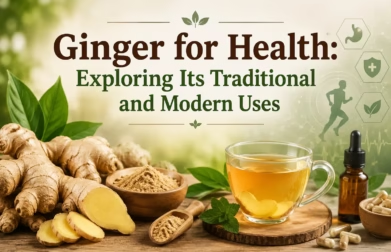
Long before the advent of modern medicine and sterile laboratories, people turned to nature in search of remedies for illness and disease. Among the vast treasury of medicinal herbs, Ginger emerged as a universally valued natural remedy, playing an important role in many of the world’s major cultures, from East to West.
Today, Ginger is no longer confined to traditional folk medicine and centuries-old healing practices. Modern scientists have extensively studied its bioactive compounds, uncovering the mechanisms behind its remarkable health-promoting properties and validating many of its long-standing traditional uses.
This article takes you on a comprehensive journey through the world of Ginger from its rich historical and cultural roots to the latest scientific discoveries. By exploring both traditional wisdom and modern research, you will gain a deeper understanding of why this familiar spice deserves a special place not only in global culinary traditions but also in every household kitchen.
1. The Origins and Historical Journey of Ginger
Ginger (scientific name: Zingiber officinale) is a flowering plant native to Southeast Asia and was likely first domesticated by Austronesian peoples. However, its journey to conquer the world became closely associated with some of the greatest ancient civilizations in human history. (1)
1.1. Traditional Chinese Medicine (TCM): The Herbal Medicines “Sheng Jiang” and “Gan Jiang”
In Traditional Chinese Medicine (TCM), Ginger is not merely a spice but a fundamental medicinal herb. Ancient Chinese practitioners classified ginger into two forms, each possessing distinct pharmacological properties:
- Sheng Jiang (Fresh Ginger): Warm in nature and pungent in flavor. It is used to dispel wind-cold, resolve phlegm, relieve nausea and vomiting, and detoxify the body. It is commonly prescribed in herbal formulations for the early stages of the common cold. (2)
- Gan Jiang (Dried Ginger): When dried, the properties of Ginger shift from warm to hot in nature. Gan Jiang acts deeply on the spleen and stomach, helping to warm the middle burner, dispel internal cold, restore yang, and promote circulation through the meridians. It is commonly used to treat abdominal pain caused by cold and chronic diarrhea. (3)
1.2. Ayurveda of India: “Maha-Aushadhi” (The Great Medicine)
In Sanskrit, Ginger is known as Vishwabhesaj, meaning “Universal Medicine.” Ayurveda practitioners classify Ginger as a herb capable of balancing all three Doshas (Vata, Pitta, and Kapha) the three fundamental energies of the body. In Ayurveda, Ginger is used as a stimulant of Agni (digestive fire), helping the body absorb nutrients more efficiently and eliminate accumulated toxins (Ama) from the digestive tract. (4)
1.3. The Journey to the West
Through the Silk Road and Arab traders, Ginger reached the Mediterranean during the height of Ancient Greece and Rome. The philosopher and physician Dioscorides documented Ginger as an effective remedy for warming the stomach and aiding detoxification. By the Middle Ages in Europe, Ginger had become so valuable that one pound (approximately 450 grams) of ginger was worth as much as a sheep. (5)
2. The Nutritional Profile: What Gives Ginger Its Remarkable Power?
To understand why Ginger offers such a wide range of health benefits, we need to examine its chemical composition. Ginger is a natural “factory” containing more than 400 different bioactive compounds, among which phenolic compounds are the most prominent.
2.1. Gingerol – The Core Compound Behind Ginger’s Medicinal Value
When you bite into a slice of fresh ginger and experience its characteristic pungent flavor, you are tasting Gingerol. This is the primary pungent oleoresin compound found in fresh ginger. Biological studies have shown that Gingerol possesses potent anti-inflammatory and antioxidant properties, acting by inhibiting free radicals and suppressing pro-inflammatory cytokines within the body. (6)
2.2. Shogaol and Zingerone – The Remarkable Transformation Caused by Heat
When Ginger is cooked or dried, the chemical structure of Gingerol undergoes significant changes:
-
Shogaol: Formed when ginger loses moisture during the drying process. Shogaol has a more intense pungent flavor than Gingerol, and recent studies suggest that it may possess even stronger anti-inflammatory and neuroprotective properties than its precursor, Gingerol.
-
Zingerone: Formed when ginger is cooked at high temperatures. This compound is less pungent, contributes a mild sweet aroma, and exhibits antimutagenic properties that help protect cells from damage.
2.3. Other Micronutrients and Bioactive Components
In addition to its signature bioactive compounds, Ginger provides a range of essential micronutrients, including:
-
Vitamins: Vitamin C, Vitamin B3 (Niacin), and Vitamin B6.
-
Minerals: Potassium, Magnesium, Copper, and Manganese.
-
Volatile Essential Oils: Zingiberene, Phellandrene, and Curcumene, which contribute to Ginger’s distinctive, aromatic fragrance.
3. Exploring the Traditional Uses of Ginger
Long before the emergence of modern scientific research, generations of people had accumulated valuable knowledge on how to use Ginger to support everyday health and well-being.
3.1. Supporting Digestion and Relieving Cold-Induced Stomach Discomfort
In traditional practice, whenever someone experienced bloating, abdominal distension, or stomach discomfort and diarrhea caused by consuming foods considered “cold” in nature, a cup of warm Ginger tea was often the first remedy of choice. Ginger was believed to stimulate digestive enzymes in the saliva and stomach, helping accelerate gastric emptying and reduce pressure on the intestinal tract.
3.2. A Classic Remedy for Colds and Flu
During seasonal transitions, people were thought to be more susceptible to cold-related ailments, including sneezing, runny nose, and phlegm-producing coughs. Fresh crushed Ginger combined with honey and warm water was traditionally used to promote sweating, helping the body reduce fever naturally, dispel cold pathogens, and soothe an inflamed throat.
3.3. A Traditional Pain-Relief Therapy for Women and Older Adults
-
Menstrual Pain (Dysmenorrhea): Applying roasted Ginger to the lower abdomen or drinking strong Ginger tea two to three days before menstruation was a traditional practice believed to promote circulation and help reduce uterine cramps.
-
Joint and Muscle Discomfort: Older adults commonly used Ginger-infused rice wine as a topical massage remedy for the knees, wrists, and other joints during cold or damp weather. This practice was believed to help alleviate stiffness, swelling, and discomfort associated with the accumulation of cold in the body.
4. Scientific Evidence Supporting the Health Benefits of Ginger
Entering the 21st century, Ginger is no longer regarded merely as a traditional folk remedy. Thousands of clinical trials have been conducted to investigate and validate its remarkable health benefits, providing scientific support for many of its long-recognized therapeutic uses.
4.1. Exceptional Anti-Emetic Effects
One of the most scientifically validated applications of Ginger is its ability to alleviate nausea. Ginger works by interacting with serotonin receptors in the gastrointestinal tract and the central nervous system, a mechanism similar to that of certain anti-emetic medications, but without causing drowsiness as a side effect.
- Pregnancy-related nausea (morning sickness): A meta-analysis of multiple studies involving pregnant women showed that consuming 1.1–1.5 g of ginger per day can significantly reduce nausea symptoms in a safe manner, without adverse effects on the fetus. However, it is recommended to consult a healthcare professional before using higher doses during pregnancy, as it may not be appropriate in all cases. (7)
- Motion sickness (car, boat, and air travel): Unlike conventional medications that may cause dry mouth and drowsiness, taking Ginger before traveling helps stabilize gastric motility while maintaining alertness and mental clarity.
- Post-chemotherapy nausea: Cancer patients undergoing chemotherapy often face severe nausea. The addition of ginger extract combined with standard anti-emetic medications may have provided a significant improvement in patients’ quality of life. (8)
4.2. Powerful Anti-Inflammatory and Muscle & Joint Pain Relief Effects
Chronic inflammation is at the root of many serious diseases, including arthritis, cardiovascular conditions, and cancer. Compounds in Ginger act as dual inhibitors of COX (Cyclooxygenase) and LOX (Lipoxygenase) enzymes the two primary pathways responsible for producing inflammatory mediators in the body. This mechanism is similar to that of pain-relief drugs such as Aspirin or Ibuprofen, but is considered gentler on the stomach. (9)
-
Osteoarthritis: In a controlled clinical study involving 247 patients with knee osteoarthritis, the group receiving Ginger extract experienced less pain and required fewer pain-relief medications compared to the control group. (10)
-
Exercise-induced muscle soreness:Daily consumption of 2 g of Ginger for 11 consecutive days significantly reduced muscle soreness in individuals performing high-intensity strength training exercises. (11)
4.3. May Lower Blood Sugar
Research suggests that Ginger may help support blood sugar management in people with type 2 diabetes. A 2022 review found that taking 1,200–3,000 mg of Ginger daily for 8–13 weeks significantly reduced fasting blood glucose and HbA1c levels. However, no significant effects on lipid profiles were observed. A 2019 review also reported improvements in HbA1c but found insufficient evidence to confirm consistent reductions in fasting blood sugar. Additionally, a small 2015 study showed that consuming 2 g of Ginger powder daily for 12 weeks improved several metabolic and oxidative stress markers in people with type 2 diabetes. While these findings are promising, larger clinical studies are needed to confirm Ginger’s long-term benefits for blood sugar control and cardiovascular health. (12)
4.4. May Help Lower Cholesterol Levels
A 2022 review of 26 clinical trials found that Ginger may improve blood lipid profiles by reducing triglycerides and LDL (“bad”) cholesterol while increasing HDL (“good”) cholesterol. These findings suggest potential cardiovascular benefits, although further research is required to confirm its long-term effectiveness. (13)
4.5. May help reduce cancer risk
Ginger contains bioactive compounds such as gingerol that may have anticancer potential due to their antioxidant and anti-inflammatory properties. Laboratory studies have shown that ginger can inhibit the growth of certain cancer cells. However, human clinical studies have produced inconsistent results, and current evidence is not sufficient to confirm that ginger can prevent or treat cancer. More research is needed to determine its role in cancer prevention and therapy. (14)
5. How to Use Ginger Properly and Effectively in Modern Life
To maximize Ginger’s health-supporting potential, understanding how to prepare and use it correctly is essential. Below are practical ways to incorporate Ginger into today’s busy lifestyle:
5.1. Honey Ginger Tea – A Morning Energy Drink
Instead of reaching for a second cup of coffee, a cup of Ginger tea can help you stay alert in a more sustained way without causing palpitations.
-
How to prepare: Slice 3–5 pieces of fresh ginger and steep them in 200 ml of boiling water for 10 minutes. Then add one teaspoon of pure honey and a few drops of lemon juice.
-
Best timing: Drink in the morning after meals to stimulate digestion and warm the body.
Expert tip: Do not peel the ginger if you are confident it is clean and of good quality. Ginger skin contains valuable antioxidant compounds. Simply wash it thoroughly with a small brush to remove any dirt.
5.2. Ginger in Culinary Applications
Make Ginger an essential part of your daily meals. It not only helps remove the strong odor of meat and fish but also reduces the “cold nature” of foods such as seafood, leafy greens, and bamboo shoots. Adding Ginger to dishes supports digestion by helping the stomach process complex proteins more efficiently, reducing post-meal bloating.
5.3. Ginger Supplements
For busy individuals or those who do not prefer the spicy taste of fresh Ginger, standardized ginger extract capsules or dried ginger powder offer a convenient alternative. These products are often precisely formulated with measured levels of Gingerol and Shogaol, making them suitable for specific purposes such as joint pain relief or motion sickness prevention.
7. Important Precautions and Potential Side Effects (Safety First)
Although Ginger is a wonderful natural herb, it still contains potent bioactive compounds. Therefore, “more is not always better.”
7.1. Recommended Daily Dosage
-
Fresh ginger: 2–4 grams per day (equivalent to a few thin slices).
-
Dried ginger powder: Should not exceed 1–2 grams per day.
-
Pregnant women: Intake should be strictly limited to under 1 gram of dried ginger powder per day, and regular use should be discussed with an obstetrician before consumption.
7.2. Groups That Should Exercise Caution When Using Ginger
-
Individuals with bleeding disorders or those taking blood-thinning medications (such as Warfarin, Aspirin): Ginger has natural blood-thinning properties. High doses combined with these medications may increase the risk of bleeding and bruising under the skin.
-
People preparing for surgery: Ginger consumption should be stopped at least two weeks before any scheduled surgical procedure to ensure normal blood clotting function.
-
Patients with gallstones: Ginger stimulates bile secretion in the gallbladder. In individuals with large gallstones, this increased contraction may trigger severe biliary colic.
-
Individuals with severe gastric or duodenal ulcers: High doses of Ginger’s pungent compounds may irritate unhealed ulcers, leading to burning sensations and discomfort in the upper abdomen.
CONCLUSION
Over the centuries, from the ancient medical texts of renowned physicians to modern scientific reports published in prestigious medical journals, the value of Ginger for human health has remained intact and has become increasingly well established. It serves as a perfect bridge between the wisdom of traditional medicine and the precision of modern science.
Incorporating a reasonable amount of Ginger into your daily diet does not require significant cost or effort. It is simply a small habit such as enjoying a warm cup of tea or adding a few slices of ginger to your meals that can deliver profound benefits, helping the body naturally defend itself against internal and external health threats. Appreciate and use this precious gift from nature wisely, starting today.
 Blog & News