Fresh lemongrass has long been present in many culinary traditions, particularly in tropical regions. With its light citrusy aroma, mild spicy notes, and remarkable ability to enhance the fragrance of dishes, this herb is often considered an essential ingredient in numerous traditional recipes. However, the value of lemongrass extends far beyond its role as a simple seasoning.
In addition to its culinary applications, fresh lemongrass has also attracted attention in the fields of nutrition and wellness due to its rich content of beneficial bioactive compounds. Modern research suggests that this plant may provide several positive effects on the human body when used appropriately.
The content below will help you gain a deeper understanding of fresh lemongrass from its origin and botanical characteristics to its nutritional composition, potential health benefits, and common methods of use and storage in everyday life as well as in the agricultural trade sector.
1. General Introduction to Fresh Lemongrass
1.1. Origin and Botanical Characteristics
Fresh Lemongrass, scientifically known as Cymbopogon citratus, belongs to the grass family (Poaceae). It is a tall tropical grass that grows in dense clumps and is primarily native to Southeast Asian countries such as Vietnam, Thailand, Malaysia, and India. (1)
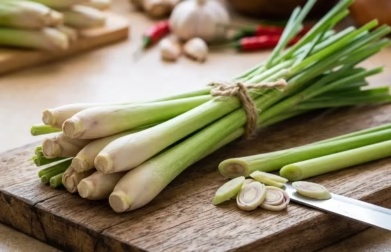
Fresh lemongrass can be identified by its long, slender leaves with slightly rough edges and a swollen base (bulb) that is typically white or pale green. When crushed or finely chopped, lemongrass releases a mild, refreshing citrus aroma similar to lemon but without the sharp sourness. This distinctive fragrance is what has established the name “Lemongrass” on the global spice map.
1.2. Global Commercial Value
Amid the growing global trend toward natural (organic) and health-conscious products, fresh lemongrass has expanded far beyond the household kitchen. It has become a high-value agricultural export commodity. The global food, cosmetic, and pharmaceutical industries consume millions of tons of fresh lemongrass annually to extract essential oils, produce herbal teas, develop flavorings, and manufacture premium personal care products.
2. Nutritional Composition Analysis of Fresh Lemongrass
To understand why fresh lemongrass offers numerous health benefits, it is essential to examine its nutritional composition. Lemongrass contains very low calories but is considered a valuable source of essential micronutrients.
Below is the nutritional analysis of 100 grams of fresh lemongrass: (2)
| Nutrient | Amount (per 100g) | Percent of RDA | Main Role in the Body |
|---|---|---|---|
| Energy (Calories) | 99 kcal | 5% | Provides light energy |
| Carbohydrates | 25.31 g | 19% | Supports brain and muscle function |
| Protein | 1.82 g | 3% | Contributes to cell repair and regeneration |
| Dietary Fiber | – | – | Promotes a healthy digestive system |
| Folate (Vitamin B9) | 75 µg | 19% | Essential for DNA synthesis |
| Vitamin C | 2.6 mg | 4% | Antioxidant, strengthens the immune system |
| Potassium | 723 mg | 15% | Regulates blood pressure and electrolyte balance |
| Calcium | 65 mg | 6.5% | Supports bone and joint health |
| Iron | 8.17 mg | 102% | Helps prevent anemia and supports red blood cell production |
| Zinc | 2.23 mg | 20% | Promotes wound healing and immune function |
| Manganese | 5.224 mg | 228% | Supports metabolism and acts as a powerful antioxidant |
(Data reference: USDA National Nutrient Database)
Technical Note: The most remarkable aspect of fresh lemongrass lies not only in its vitamins and minerals but also in its phytochemical compounds such as Citral, Geraniol, Myrcene, Linalool, and Citronellol. These bioactive compounds are the key factors responsible for the herb’s therapeutic properties.
3. Remarkable Health Benefits of Fresh Lemongrass
3.1. Powerful Antioxidant Properties
Extracts from Cymbopogon citratus, including methanol extract, methanol–water extract, infusion, and decoction, have demonstrated strong antioxidant activity. These extracts are capable of neutralizing free radicals through mechanisms such as DPPH radical scavenging, superoxide anion removal, inhibition of the enzyme xanthine oxidase, and reduction of lipid peroxidation in human red blood cells. (3)
3.2. Supports a Healthy Digestive System
Lemongrass has traditionally been used to support digestion, and modern research supports this application. The herb helps stimulate the digestive system and may relieve indigestion, constipation, and other stomach-related issues. Its antispasmodic properties can also help reduce stomach cramps and bloating.
Studies suggest that lemongrass tea may help increase the production of gastric mucus, thereby protecting the stomach lining from damage caused by excess acid. This may explain its long-standing use as a natural remedy for stomach pain and acid reflux in various traditional medicine systems. (4)
3.3. Supports Blood Pressure Regulation and Cardiovascular Health
Hypertension affects millions of people worldwide, and lemongrass may provide natural support in maintaining healthy blood pressure levels. This herb contains potassium, which helps balance the effects of sodium in the body.
Additionally, citral, a key compound found in lemongrass, has been shown to possess vasodilatory effects, helping blood vessels relax and expand, which may reduce resistance to blood flow. The mild diuretic effect of lemongrass tea may also help reduce fluid retention.
Although it should not replace prescribed medications, regular consumption of lemongrass may complement other lifestyle measures aimed at supporting cardiovascular health. (5)
3.4. Reduces Stress, Anxiety, and Improves Sleep Quality
The aroma of fresh lemongrass can directly influence the central nervous system. Its refreshing scent may stimulate the brain to release serotonin, a hormone associated with feelings of happiness and relaxation.
In aromatherapy, lemongrass is often used to help relieve anxiety disorders, reduce stress after a long day of work, and support the management of chronic insomnia. A warm cup of lemongrass tea combined with a small amount of honey before bedtime can serve as a gentle and natural sleep aid. (6)
3.5. Antibacterial Properties
The essential oil fraction of lemongrass has shown antibacterial activity against various bacteria, including Bacillus subtilis, Escherichia coli, Staphylococcus aureus, Salmonella paratyphi, and Shigella flexneri.
This antibacterial activity primarily comes from the essential oil’s major components, citral, which consists of α-citral (geranial) and β-citral (neral). These compounds are effective against both Gram-positive and Gram-negative bacteria. In contrast, the compound myrcene does not exhibit significant antibacterial activity when isolated. Additionally, lemongrass essential oil retains its antibacterial effectiveness even after oxidation. (7)
3.6. Antifungal Effects
Lemongrass essential oil demonstrates strong antifungal activity, particularly against dermatophyte fungi such as Trichophyton mentagrophytes, Trichophyton rubrum, Epidermophyton floccosum, and Microsporum gypseum. These fungi are among the common causes of human skin infections.
Furthermore, lemongrass essential oil can inhibit keratin-loving fungi, ringworm-causing fungi, and fungi that develop in stored foods. Due to its natural antimicrobial properties, lemongrass essential oil is also used in applications such as natural herbicides and biological insecticides. (8)
3.7. Supports Weight Management and Body Detoxification
Thanks to its natural diuretic properties, fresh lemongrass helps the liver and kidneys enhance the elimination of toxins, uric acid, and metabolic waste from the body. This detoxification process not only contributes to clearer skin but may also help accelerate metabolism.
When combined with a healthy diet, boiled and cooled lemongrass water can serve as a safe and natural beverage that supports fat reduction and overall body cleansing.
4. Diverse Applications of Fresh Lemongrass in Daily Life
4.1. In Culinary Arts
Fresh lemongrass is an indispensable spice in Asian cuisine. It provides a delicate umami flavor, helps eliminate the strong odor of meat and seafood, and balances taste exceptionally well.
-
Thai Cuisine: Lemongrass is a key ingredient that forms the soul of famous Thai dishes such as Tom Yum soup, Tom Kha Gai, and traditional Thai curries like Green Curry and Red Curry.
-
Vietnamese Cuisine: It is widely used in grilled dishes (such as lemongrass grilled chicken and lemongrass-marinated grilled pork), noodle dishes (for example, Bún bò Huế, which is known for its distinctive lemongrass aroma), and dipping sauces like lemongrass fish sauce for snails.
-
Beverages: Fresh lemongrass tea and drinks such as peach–orange lemongrass tea are popular beverages, refreshing during the summer and warming during colder seasons.
4.2. In the Cosmetics and Personal Care Industry
Extracts from fresh lemongrass are widely used in the production of:
-
Soaps and Body Washes: Thanks to their antibacterial properties and refreshing natural fragrance.
-
Hair Care Products: Lemongrass essential oil helps cleanse the scalp, reduce dandruff, and stimulate hair follicles, promoting stronger and healthier hair.
-
Natural Mosquito Repellents: The compound citronella found in lemongrass is a natural enemy of mosquitoes. Skin creams and mosquito-repellent sprays derived from lemongrass are widely trusted by parents as a safer alternative to chemical repellents containing DEET, particularly for protecting young children.
4.3. In Therapeutic and Traditional Medicine
Fresh lemongrass is often used in steam therapy (sauna) or herbal steam baths for relieving colds and flu symptoms. The steam combined with lemongrass essential oil enters the respiratory system, helping to clear nasal passages, reduce coughing, loosen mucus, and effectively relieve symptoms associated with colds.
5. Professional Guide: Selecting, Preparing, and Storing Fresh Lemongrass
To maximize both the nutritional value and flavor of fresh lemongrass, proper selection and storage are essential—especially for restaurants and food processing facilities.
5.1. How to Select High-Quality Fresh Lemongrass
-
Color and Appearance: Choose lemongrass stalks that are thick, firm, and feel heavy for their size. The base should be creamy white or pale green and appear juicy. The outer leaf layers should be intact and fresh, without signs of wilting, cracking, or dark spots (which may indicate fungal contamination).
-
Aroma: High-quality fresh lemongrass releases a light citrus fragrance even before it is crushed or cut. Avoid stalks that have little to no aroma or produce a sour or musty smell.
5.2. Proper Preparation Techniques
-
Step 1: Trim off the tough root end and remove about 1–2 inches of the green leafy top. (The leafy portion can be kept for boiling hair-rinse water or brewing herbal tea.)
-
Step 2: Peel away 1–2 outer layers of tough, fibrous skin until the tender white inner core is exposed.
-
Step 3: Depending on the intended use, the lemongrass can be lightly crushed (ideal for soups, broths, and hot pots to release essential oils) or finely minced (for marinades, grilled dishes, or meat mixtures).
5.3. Methods for Long-Term Storage of Fresh Lemongrass
-
Short-Term Storage (1–2 weeks): Wrap fresh lemongrass tightly in a slightly damp paper towel, place it in a zip-lock bag or airtight container, and store it in the refrigerator.
-
Long-Term Storage (up to 6 months): Cut the lemongrass into small pieces or mince it finely, divide into portion-sized amounts, and store in ice trays or vacuum-sealed bags before freezing. Frozen lemongrass can retain up to 90% of its original flavor.
-
Water Storage Method: Place the lemongrass stalks upright in a glass of clean water (with 2–3 cm of the base submerged) and keep it at room temperature away from direct sunlight. Replace the water daily. With this method, the lemongrass can remain alive and fresh for several weeks.
6. Important Considerations When Using Fresh Lemongrass
Although lemongrass has been recognized by the U.S. Food and Drug Administration (FDA) as Generally Recognized as Safe (GRAS) for use in food, several precautions should still be considered when consuming fresh lemongrass in large amounts for medicinal purposes:
-
Pregnant Women: Caution is advised when consuming highly concentrated lemongrass tea or lemongrass essential oil, as high doses may stimulate blood flow to the pelvic area and potentially pose risks during pregnancy. However, using lemongrass as a culinary herb in daily meals is generally considered safe.
-
Individuals with Kidney Conditions: Lemongrass has natural diuretic properties. Therefore, individuals with existing kidney conditions should consult a healthcare professional before using lemongrass regularly as part of a detoxification or cleansing regimen.
-
Drug Interactions: Fresh lemongrass may interact with certain medications, particularly those that slow heart rate or are prescribed to treat high blood pressure.
-
Allergic Reactions: Although rare, some individuals with sensitive skin may experience allergic reactions such as rashes or itching when directly exposed to the sap of fresh lemongrass or concentrated lemongrass essential oil.
7. Frequently Asked Questions (FAQs) About Fresh Lemongrass
Q1: Is it good to drink fresh lemongrass water every day?
Although lemongrass water offers many health benefits, it should not completely replace regular drinking water. The recommended intake is 1–2 cups of lemongrass tea per day (approximately 200–400 ml) to support digestion and help reduce stress. Excessive consumption may cause internal heat or place extra strain on the kidneys due to its diuretic properties.
Q2: How can I grow fresh lemongrass at home?
It is very simple. Buy fresh lemongrass from a market and choose healthy, thick stalks. Trim the top leaves and place the base of the stalks in a glass of water in a well-lit area. After 1–2 weeks, new roots will begin to grow. At that point, you can plant the stalks in loose soil and water them regularly. Soon, you will have a thriving lemongrass plant in your home garden.
Q3: Which is better: fresh lemongrass or dried lemongrass?
In terms of flavor, fresh lemongrass is superior because it retains its natural volatile aromatic compounds, making it ideal for cooking. However, dried lemongrass is more convenient for storage and is commonly used for herbal teas or in traditional herbal medicine preparations. Both forms are beneficial, and the choice depends on your intended use.
Q4: Are lemongrass stalks and lemongrass leaves used for different purposes?
Yes. Lemongrass stalks are softer and contain the highest concentration of aromatic essential oils, which makes them ideal for culinary applications. Lemongrass leaves, on the other hand, are tougher and more fibrous, so they are typically used for herbal baths, steam therapy, mosquito repellent preparations, or for boiling to make herbal tea, after which the leaves are usually discarded.
Conclusion
Fresh Lemongrass is far more than just a common culinary herb—it is truly a valuable gift from nature. With its rich nutritional profile, powerful antioxidant compounds, and remarkable versatility across culinary, therapeutic, and industrial applications, fresh lemongrass rightfully deserves a place in a healthy lifestyle for every household.
Understanding how to properly select, prepare, and use fresh lemongrass not only enhances the flavor of your culinary creations but also offers a natural and safe way to support overall health for yourself and your loved ones.
Partner with Great Farmer – A Trusted Exporter of Premium Fresh Lemongrass
Are you looking for a reliable supplier of high-quality Fresh Lemongrass in large quantities that meets strict international standards? Great Farmer proudly stands as a leading producer and exporter of premium fresh lemongrass.
With clean cultivation practices, the capacity to supply thousands of tons annually, and optimized packaging solutions for both sea and air freight, we are committed to delivering products that preserve their natural aroma, freshness, and nutritional value throughout the supply chain.
👉 Contact Great Farmer today to receive the most competitive export quotation and professional consultation for international trade procedures.
Contact us:
📞 Phone / WhatsApp: +84 836314437
📧 Email: hoang.nguyen@greatfarmer.com.vn
🌐 Website: www.greatfarmer.com.vn
 Blog & News