
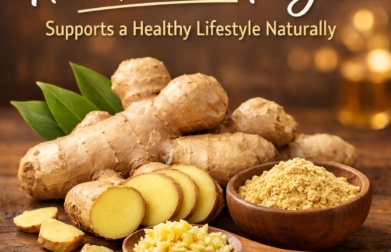
In today’s high-pressure modern lifestyle, consumers are increasingly inclined to choose natural solutions for sustainable well-being. Beyond simply eating clean, they are also paying attention to familiar ingredients that offer practical value in supporting health and improving quality of life. Among them, fresh ginger is a typical example, as it plays an important role in cuisine while also being widely applied in both traditional medicine and modern research.
This article is developed in a more in-depth direction, providing a clear, evidence-based perspective on how fresh ginger contributes to the formation of a naturally healthy lifestyle. Whether you are looking for effective ways to use it in daily life, explore its culinary applications, or evaluate its business value, this will be a practical and valuable source of information.
1. What is Fresh Ginger? Its Position in the Healthcare Industry
Fresh ginger, scientifically known as Zingiber officinale, is a flowering plant whose rhizome is widely used around the world as both a spice and a traditional herbal remedy. Native to Southeast Asia, ginger belongs to the same plant family as turmeric and cardamom plants well known for their strong antioxidant properties. (1)
In global trade, fresh ginger is not merely an agricultural commodity. It has become a core raw material in the functional food, pharmaceutical, cosmetics, and health beverage industries. The growing consumer awareness of proactive healthcare has driven global demand for fresh ginger to record levels in recent years.
The key value of fresh ginger lies in gingerol the primary bioactive compound responsible for its distinctive pungent flavor and most of its remarkable medicinal properties. (2)
2. Nutritional Composition Analysis of Fresh Ginger
To better understand why fresh ginger has such a strong impact on health, it is important to examine its detailed nutritional profile. Fresh ginger is very low in calories but rich in essential micronutrients.
Below is the nutritional breakdown of 100 grams of raw fresh ginger (Data reference: United States Department of Agriculture – USDA)
| Nutrient | Amount (per 100g) | Approx. % Daily Value (DV) | Key Health Role |
|---|---|---|---|
| Calories | 80 kcal | 4% | Provides light energy without contributing to weight gain |
| Water | 78.9 g | – | Supports cellular hydration |
| Carbohydrates | 17.8 g | 6% | Basic energy source |
| Dietary Fiber | 2 g | 8% | Supports digestion, prevents constipation, helps stabilize blood sugar |
| Protein | 1.82 g | 3% | Builds and repairs body tissues |
| Total Fat | 0.75 g | 1% | Very low fat content, heart-friendly |
| Vitamin C | 5 mg | 8% | Antioxidant support, enhances immune function |
| Vitamin B6 | 0.16 mg | 8% | Supports brain function and protein metabolism |
| Potassium | 415 mg | 12% | Helps regulate blood pressure and fluid balance |
| Magnesium | 43 mg | 11% | Supports muscle and nerve function, energy production |
| Iron | 0.6 mg | 3% | Supports red blood cell production, helps prevent anemia |
| Zinc | 0.34 mg | 3% | Important for immunity and wound healing |
Expert Perspective: Although the typical serving size of ginger consumed in daily diets is relatively small (around 2–5 grams), it contains a highly concentrated level of phenolic compounds particularly gingerols, shogaols, and paradols. These bioactive compounds are the “golden key” behind ginger’s health-promoting properties. Unlike basic micronutrients that contribute general nutritional support, these phytochemicals actively interact with biological pathways in the body, which helps explain why even small amounts of fresh ginger can deliver noticeable functional benefits.
3. In-Depth Health Benefits: How Fresh Ginger Elevates a Healthy Lifestyle
From an evidence-based scientific perspective, fresh ginger delivers remarkable therapeutic value. Below is a deeper analysis of how “fresh ginger” addresses key health concerns in modern lifestyles.
3.1. Supporting Optimal Digestive Health and Relieving Indigestion
According to a 2024 review, ginger may support digestive health in people with IBS and IBD by improving how the gastrointestinal system functions. It helps by increasing gastric motility, which allows food to move more smoothly through the digestive tract. Ginger may also stimulate the release of digestive juices and help reduce discomfort in the gut.
The review further notes that taking around 2000 mg of ginger daily could help lower inflammation, ease indigestion (dyspepsia), and may also provide protective effects against colorectal cancer and the formation of ulcers in the digestive tract. (3)
3.2. May Help with Weight Management
According to research conducted on both humans and animals, ginger may play a supportive role in weight management. A 2019 review found that ginger supplementation was associated with reductions in body weight, as well as improvements in waist-to-hip ratio and hip ratio among individuals who are overweight or living with obesity.
These effects are believed to be connected to several potential mechanisms, including ginger’s anti-inflammatory properties, which may influence metabolic processes involved in how the body regulates and maintains weight. (4)
3.3. May Help Reduce Cancer Risk
Ginger has been proposed to have potential anticancer properties, largely attributed to compounds such as gingerol, along with other antioxidant and anti-inflammatory constituents.
A 2022 review reported that in vitro (laboratory-based) studies suggest ginger may help inhibit or slow the growth of cancer cells. However, findings from human clinical trials remain inconsistent and do not provide strong or conclusive evidence to support these effects.
Most existing research has been conducted in experimental or non-human settings. Therefore, while ginger demonstrates promising biological activity in preliminary studies, more rigorous and well-designed human trials are required to clarify its actual role in cancer prevention or treatment. (5)
3.4. May Help Lower Blood Sugar
Some studies suggest that ginger may support blood sugar regulation, particularly in individuals with type 2 diabetes.
A 2022 review reported that ginger supplementation was associated with significant reductions in fasting blood glucose and HbA1c levels. This analysis included 10 clinical trials, where participants typically consumed between 1,200 and 3,000 mg of ginger per day over a period of 8 to 13 weeks. However, the review did not find clear evidence of a meaningful effect on lipid profiles.
A separate 2019 review also suggested that ginger may help reduce HbA1c levels in people with type 2 diabetes, although it did not conclude that it significantly lowers fasting blood glucose.
Additionally, a 2015 study found that consuming 2 grams of ginger powder daily for 12 weeks may improve markers such as apolipoprotein B, apolipoprotein A-I, and malondialdehyde (MDA) compared with a control group. However, this was a small-scale study, and further research is still needed to confirm these findings. (6)
3.5. Can Help Fight Infections
Ginger has been investigated for its potential antimicrobial properties, which may help inhibit the growth of certain bacteria and fungi.
A 2020 study suggested that ginger may exhibit activity against several microorganisms, including Staphylococcus aureus (S. aureus), which is associated with a range of infections, Escherichia coli (E. coli), a common cause of gastrointestinal illness, and Candida albicans (C. albicans), a fungus linked to oral and vaginal infections.
However, researchers also emphasize that further studies are necessary to better understand how effective ginger may be in real-world clinical applications for preventing or treating infections. (7)
3.6. May Improve Brain Function and Support Protection Against Alzheimer’s Disease
Some research from 2022 suggests that two key active compounds in ginger 6-shogaol and 6-gingerol may have potential protective effects against certain neurodegenerative conditions, including Parkinson’s disease, Alzheimer’s disease, and multiple sclerosis.
These possible benefits are believed to be linked to their antioxidant and anti-inflammatory properties. Since oxidative stress and chronic inflammation are considered major contributing factors in Alzheimer’s disease and age-related cognitive decline, ginger may help reduce or counteract some of these biological processes.
However, current evidence remains limited, and further well-designed human studies are still needed to confirm these effects and determine their true clinical significance. (8)
3.7. May Help Lower Cholesterol Levels
A 2022 review that analyzed 26 clinical trials found that ginger consumption was associated with improvements in cholesterol-related markers. In particular, it was linked to reductions in triglycerides and low-density lipoprotein (LDL), often referred to as “bad” cholesterol, while also showing an increase in high-density lipoprotein (HDL), known as “good” cholesterol.
However, the authors emphasized that further research is still required to confirm these effects and to determine how consistent they are across different populations. They also note that individuals concerned about cholesterol levels should consult a healthcare professional for personalized guidance and appropriate management strategies, including whether ginger could be a beneficial addition. (9)
4. How to Use Fresh Ginger Properly to Maximize Its Benefits
To fully unlock the nutritional value and bioactive potential of fresh ginger, proper preparation and application methods are essential. Below are practical and commercially relevant ways to incorporate fresh ginger into daily life:
4.1. Fresh Ginger, Honey, Lemon & Lemongrass Tea – A Morning “Elixir”
This is one of the most effective detox-style beverages for supporting digestion and awakening the body in the morning.
-
Ingredients: 3–5 slices of fresh ginger (unpeeled, washed), 1 crushed lemongrass stalk, 1 teaspoon of raw honey, 2 teaspoons of lemon juice, and 300 ml of water.
-
Preparation: Boil water with ginger and lemongrass for 5–7 minutes to extract active compounds. Turn off the heat and let it cool slightly (around 60°C), then add honey and lemon. (Note: Do not add honey or lemon to boiling water to preserve vitamin C and natural enzymes in honey.)
-
Benefits: Supports metabolism, helps with fat utilization, warms the body, and may help reduce the risk of seasonal colds.
4.2. A Powerful Tool in Culinary Applications
In professional cuisine, fresh ginger is not only a seasoning but also a natural deodorizer and tenderizing agent.
-
Odor removal: Crushed fresh ginger can be rubbed onto fish, seafood, beef, or duck to effectively eliminate unpleasant odors.
-
Balancing “hot and cold” properties: In Eastern culinary philosophy, ginger (warming nature) is often combined with “cold-natured” foods such as seafood, leafy vegetables, and balut to restore balance, support digestive comfort, and reduce stomach sensitivity.
4.3. Detox Juice for a Green Lifestyle
Fresh ginger is a key ingredient in premium cold-pressed juice formulations.
-
Suggested recipe: Blend or cold-press 1 carrot, 1 green apple, 1 celery stalk, and a 2 cm piece of fresh ginger.
-
Benefits: Provides high antioxidant content, supports skin radiance, aids liver detoxification, and promotes smoother digestion.
4.4. External Application: Ginger Foot Soak
Beyond dietary use, fresh ginger can also be beneficial when absorbed through the skin.
-
Method: Crush 1 fresh ginger root, boil it with 2 liters of water and 1 tablespoon of salt. Dilute with cool water to reach approximately 40–45°C, then soak feet for 15–20 minutes before bedtime.
-
Effects: May stimulate blood circulation, support energy flow in the lower limbs, promote relaxation, improve sleep quality, and help reduce cold sensations in hands and feet during colder weather.
5. Expert Guide: How to Select and Store Fresh Ginger for Maximum Quality
The quality of ginger directly affects its nutritional content, aroma, and overall culinary performance. Below is a professional-standard guide for selecting and preserving fresh ginger.
5.1. How to Choose High-Quality Fresh Ginger
-
Shape and skin texture: Choose ginger roots that feel firm, dense, and full-bodied. The outer skin should be thin, smooth, and slightly tight. Avoid pieces that appear wrinkled, dry, or shriveled, as these are signs of dehydration and age.
-
Color: Fresh, good-quality ginger typically has an even light yellow or light brown tone. Avoid ginger with green or black mold spots, or any signs of bruising and dark discoloration.
-
Aroma: Scratch the skin slightly high-quality ginger will immediately release a strong, warm, and spicy aroma. If the ginger smells musty or chemically treated, it should not be purchased.
-
Local vs hybrid ginger:
- Local ginger (“ginger ta”): small size, rough skin, deep yellow flesh, fibrous texture, and a strong pungent aroma. Best choice for medicinal and functional purposes.
- Hybrid ginger (“ginger lai”): larger size, smoother skin, more water content, less fiber, and milder taste. More suitable for juice extraction and aesthetic culinary use.
5.2. Methods for Extending the Shelf Life of Fresh Ginger
Fresh ginger is highly susceptible to mold growth or sprouting if not stored properly. Below are practical preservation techniques ranging from household use to semi-commercial applications:
-
Room temperature storage (short-term – under 1 week): Keep ginger in a dry, cool, and well-ventilated place, away from direct sunlight. Avoid storing it in sealed plastic bags, as trapped moisture can accelerate spoilage.
-
Refrigerated storage (medium-term – 3 to 4 weeks): Wrap unpeeled fresh ginger in paper towels to absorb moisture, then place it in a zip-lock bag or airtight container. Store it in the vegetable compartment of the refrigerator.
-
Freezing (long-term – up to 6 months): This is one of the most effective methods for long-term preservation. Wash and dry the ginger thoroughly, peel if desired, then wrap tightly in cling film or vacuum-seal it before placing it in the freezer. When needed, frozen ginger can be grated directly without thawing.
-
Pickling method: Slice ginger thinly or into strips and fully submerge it in apple cider vinegar or white wine vinegar. When stored in the refrigerator, pickled ginger can last up to 2 months while also developing a distinctive flavor, making it suitable for salads and stir-fried dishes.
6. Important Considerations and Potential Side Effects of Fresh Ginger
Although fresh ginger is generally considered a safe and natural herbal ingredient, excessive intake or improper use may still lead to undesirable effects. Transparency in health information is essential for maintaining a professional and responsible approach.
6.1. Side Effects of Overconsumption
Consuming large amounts of fresh ginger (above 5 grams per day) may lead to mild digestive discomfort, including:
- Heartburn
- Mild acid reflux
- Diarrhea or a burning sensation in the mouth and throat
These effects are usually temporary but may be more noticeable in sensitive individuals.
6.2. Groups That Should Use Caution
-
Individuals using anticoagulant medications: Ginger has natural blood-thinning properties. People taking anticoagulants such as Warfarin or Aspirin should consult a healthcare professional before regular use to avoid an increased risk of bleeding.
-
Pregnant women near delivery: While ginger is commonly used to help reduce nausea in early pregnancy, high doses during the late stages of pregnancy should only be used under medical supervision due to potential bleeding risks.
-
People with a history of gallstones: Ginger may stimulate bile production. In individuals with gallstones, this can trigger strong gallbladder contractions and potentially cause pain episodes.
-
People with low blood pressure or those taking glucose-lowering medication: Ginger may lower both blood pressure and blood sugar levels. When combined with related medications, it could potentially lead to excessively low readings.
6.3. Recommended Safe Dosage
- Healthy adults: Up to 3 – 4 grams of fresh ginger per day
- Pregnant women: Up to 1 gram per day (recommended to be divided into smaller doses throughout the day)
7. Commercial Value and the Future of Fresh Ginger in the Health Industry
From a business and commercial perspective, the fresh ginger market is experiencing remarkable growth. Market research reports indicate that the global shift toward “Clean Label” products those with simple, recognizable, and 100% natural ingredients is turning ginger into a true “hero ingredient.”
-
Functional beverages: Fresh ginger is increasingly dominating supermarket shelves through a wide range of products such as ginger-flavored kombucha, organic ginger ale, and ready-to-drink ginger shots designed as convenient immunity boosters for instant wellness support.
-
Cosmetics and spa industry: Ginger-derived essential oils, warming ginger massage creams for body care, and ginger-infused shampoos aimed at stimulating hair growth are generating significant commercial value. These products align with the rising demand for safe, chemical-free beauty solutions.
-
High-tech agriculture: To meet strict standards in markets such as Europe and North America, farmers and agricultural corporations are adopting GlobalGAP certification and expanding organic fresh ginger cultivation. This ensures no pesticide residues and opens up high-value export opportunities, significantly increasing economic returns.
Integrating fresh ginger into product portfolios not only helps businesses stay aligned with the “Health & Wellness” trend but also reinforces their commitment to delivering real value for public health and sustainable consumer lifestyles.
8. Frequently Asked Questions (FAQs) About Fresh Ginger
To address common concerns from readers, here are answers to the most frequently asked questions:
Q1: Is it good to drink fresh ginger water at night?
Answer: According to traditional Eastern medicine, consuming ginger at night especially before bedtime is not recommended. Ginger has a warming nature and may stimulate the central nervous system and blood circulation, which can lead to difficulty sleeping, restlessness, or a feeling of internal heat. The ideal time to consume ginger is in the early morning or during the daytime.
Q2: Should ginger be used with or without the skin?
Answer: Ginger skin contains valuable essential oils and antioxidants. If you are using organic ginger that is clean and free from chemicals, it is recommended to wash it thoroughly (using a soft brush) and keep the skin on during preparation. However, if the source is uncertain, peeling the ginger is a safer option to ensure food hygiene.
Q3: Can children consume fresh ginger?
Answer: Children over 2 years old may consume very small amounts of fresh ginger (for example, a diluted ginger juice mixed with honey) to help relieve coughs, colds, or stomach discomfort. However, ginger should not be given in large amounts or used in the same dosage as adults, as a child’s stomach lining is more sensitive. Children under 2 years old should not consume ginger unless directed by a healthcare professional.
Q4: Is sprouted ginger safe to eat?
Answer: Unlike sprouted potatoes, which can produce harmful compounds (solanine), sprouted ginger is generally safe to consume and does not contain dangerous toxins. However, when ginger sprouts, the parent root has already used many of its nutrients to support new growth, making it less juicy and significantly reducing its flavor and potency. It is best to remove the sprouts and use the remaining fresh part.
However, if sprouting is accompanied by black mold, internal rot, or a wet, spoiled texture, the ginger should be discarded immediately, as fungal contamination may produce harmful toxins that can affect liver health.
Conclusion
Fresh Ginger is not just a modest kitchen spice, but truly a “natural treasure.” From soothing digestive discomfort, relieving nausea, and reducing joint pain, to supporting heart health and enhancing immune function, ginger demonstrates its remarkable ability to comprehensively support a healthy lifestyle.
By understanding its nutritional composition, applying scientific preparation methods, and following proper safety guidelines, you can fully turn fresh ginger into a “natural wellness companion” for both yourself and your family in everyday life.
Start your healthy living journey today with a warm cup of ginger tea, or simply add a few slices of fresh ginger to your dinner dishes. Nature always offers the most powerful healing solutions and fresh ginger is a clear example of that.
Have you ever incorporated fresh ginger into your daily health routine, or is this your first time discovering its deeper benefits? If you’d like more suggestions on recipes or ways to combine ginger in daily meals, feel free to let me know.
 Blog & News