
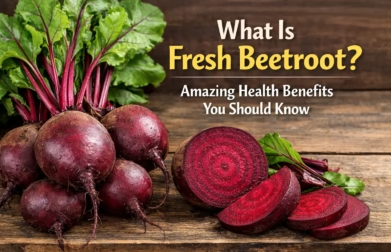
Fresh Beetroot is a root vegetable distinguished by its deep purplish-red color, rich in inorganic nitrates, betalains, vitamins, and essential minerals that help lower blood pressure, improve blood circulation, enhance athletic performance, and effectively reduce inflammation. Congratulations you have come to the right place; this article will provide you with a comprehensive, scientific, and accurate overview to fully satisfy your need to understand this superfood. To clearly understand why this humble root vegetable has been so highly valued by medical professionals and nutrition experts, we need to explore its true nature in depth.
1. What Is Fresh Beetroot?
Did you know that since the times of Ancient Greece and Ancient Rome, beetroot has been revered not only as a food source but also as a valuable remedy used to support the treatment of circulatory disorders? (1)
Fresh beetroot, scientifically known as Beta vulgaris, is the swollen taproot that develops underground from the beet plant, belonging to the Amaranthaceae family. It typically has a round or oval shape, with a rough outer skin displaying a deep reddish-brown color. When sliced open, it reveals striking concentric rings of vibrant purplish-red or ruby hues that are visually appealing.
This root vegetable carries a naturally sweet, refreshing flavor balanced with a subtle earthy note caused by the compound Geosmin. Its natural sweetness comes from healthy plant sugars, which occur in higher proportions than in most other vegetables. However, this sweetness is paired with a dense network of dietary fiber, allowing the body to absorb sugars more slowly and helping to prevent sudden spikes in blood glucose levels.
This perfect combination of flavor and texture is one of the reasons beetroot has become a prized ingredient in Michelin Guide-standard restaurants. However, its culinary value is only the tip of the iceberg the true treasure lies in its remarkable nutritional composition.
2. The “Golden” Nutritional Profile Hidden in Fresh Beetroot
With just 100 grams of fresh beetroot (approximately half a cup of boiled beetroot), you supply your body with a wide range of essential micronutrients while consuming a remarkably low number of calories. Specifically, beetroot is composed mostly of water (about 87–88%), carbohydrates (8%), and dietary fiber (2–3%). It contains no cholesterol and almost no fat, making it an ideal nutritional ratio for weight-loss diets and heart-healthy meal plans. To better understand the nutritional power of this root vegetable, let’s examine the detailed figures verified by the (USDA).
The table below lists the precise nutrient content found in 100 grams of raw fresh beetroot:
| Nutrient Component | Amount (per 100 g) | Core Benefits for the Body |
|---|---|---|
| Energy (Calories) | 41 kcal | Provides clean energy, suitable for weight management. |
| Water | 88.2 g | Supports hydration and metabolic processes. |
| Protein | 1.69 g | Helps maintain basic cellular structure. |
| Carbohydrates | 8.79 g | Primary energy source for the brain and muscles. |
| Natural Sugars | 5.1 g | Provides natural sweetness and is easy to digest. |
| Dietary Fiber | 3.1 g | Nourishes beneficial gut bacteria and prevents constipation. |
| Vitamin C | 4.6 mg | Strengthens the immune system and supports collagen production. |
| Folate (Vitamin B9) | 103 mcg (27% DV) | Essential for cell growth and fetal development. |
| Iron | 0.43 mg | Helps prevent anemia and supports red blood cell production. |
| Potassium | 342 mg (9% DV) | Regulates blood pressure and neuromuscular function. |
| Manganese | 0.257 mg (16% DV) | Supports enzyme metabolism and bone health. |
The strong presence of Folate (Vitamin B9) and Potassium is a key reason why fresh beetroot stands out compared to many other vegetables. However, what truly builds beetroot’s outstanding reputation in modern nutrition science goes beyond its basic vitamins and minerals. Its real strength lies in two unique plant compounds: inorganic nitrates and betalain pigments. So how exactly do these two compounds create such remarkable effects in the human body? That is what we will explore in the next section.
3. 6 Amazing Health Benefits of Fresh Beetroot
Dozens of clinical trials and numerous systematic reviews, including reports from the National Institutes of Health (NIH), have confirmed that fresh beetroot is truly a “superfood” in every sense of the word, rather than just a temporary nutrition trend. From protecting the heart that beats tirelessly within your chest to maintaining sharp brain function, beetroot plays a role in many complex physiological processes within the human body.
Below are six remarkable health benefits of fresh beetroot that have been validated by modern medical research. Get ready to be surprised by the sophisticated biological mechanisms behind this extraordinary root vegetable.
3.1. Antioxidant activity
Beetroot is widely recognized as a powerful natural source of antioxidants, especially Betanin, the main pigment responsible for its red color and approved as the natural food colorant E162. Compared to synthetic antioxidants such as Butylated Hydroxyanisole and Butylated Hydroxytoluene, natural compounds found in beetroot including betalains, polyphenols, vitamin C, and vitamin E have shown strong free radical scavenging activity and may offer safer health benefits.
Research indicates that betanin can neutralize harmful free radicals, reduce oxidative stress, protect DNA, and enhance the body’s natural antioxidant defense systems, partly through activation of the Nrf2 signaling pathway. Studies also suggest that beetroot consumption can decrease lipid oxidation, improve antioxidant enzyme activity, and help protect cells from oxidative and nitrative damage.
Additionally, processing methods significantly influence antioxidant capacity, with fresh, dried, and pureed beetroot often retaining the highest levels of beneficial compounds. Overall, scientific evidence supports beetroot as a promising natural antioxidant source with potential applications in food preservation and disease prevention. (2)
3.2. Antitumor activity
Scientific studies suggest that beetroot shows promising anti-cancer potential, mainly due to its key active compound Betanin, which has been found to inhibit tumor growth, promote cancer cell death (apoptosis), and reduce the formation of tumors in animal models.
Research indicates that beetroot compounds can suppress cancer development by slowing cell proliferation, activating apoptosis-related proteins, and inhibiting angiogenesis (the formation of new blood vessels that feed tumors). In several experimental studies, beetroot extracts reduced tumor formation rates and enhanced antioxidant defenses, helping protect cells from oxidative and DNA damage.
Additionally, beetroot has shown synergistic effects when combined with chemotherapy drugs such as Doxorubicin, potentially improving treatment effectiveness while showing lower toxicity toward normal cells compared to conventional treatments alone. Although these findings highlight beetroot as a promising natural chemopreventive agent, most evidence currently comes from laboratory and animal studies, and further human clinical research is needed to fully confirm its safety, effectiveness, and optimal therapeutic applications. (3)
3.3. Effect on blood lipids, glucose, and pressure
Scientific evidence suggests that beetroot may help manage several chronic metabolic conditions, including high blood pressure, hyperglycemia, and high blood lipids, mainly due to its rich content of dietary nitrates, betalains, and polyphenols. The dietary nitrates in beetroot are converted into Nitrite and eventually into Nitric Oxide, which helps relax blood vessels, improve circulation, and lower blood pressure.
Studies have shown that regular beetroot consumption can reduce both systolic and diastolic blood pressure, enhance vascular function, and improve microcirculation, although individual responses may vary depending on factors such as age, genetics, and oral microbiome composition. In addition, beetroot compounds such as Betanin have demonstrated potential to regulate blood glucose levels by improving insulin response and supporting glucose metabolism, while also helping reduce blood lipid oxidation and improve cholesterol balance.
Overall, current research indicates that beetroot may serve as a low-cost, natural dietary strategy to support cardiovascular health, stabilize blood sugar, and reduce lipid-related risks, although larger human studies are still needed to confirm its long-term clinical effectiveness. (4)
3.4. Improve exercise performance
Scientific research indicates that nitrate-rich beetroot may help enhance athletic performance and exercise endurance, mainly due to its ability to increase the production of Nitric Oxide, which improves oxygen delivery to muscles and enhances blood flow during physical activity.
Studies have shown that beetroot supplementation can increase peak power, improve tolerance to high-intensity exercise, delay fatigue, and support better oxygen utilization, especially during aerobic and endurance-based activities. Additionally, beetroot intake may help reduce muscle soreness and speed up recovery after strenuous exercise, likely due to its antioxidant and anti-inflammatory compounds.
However, research findings are mixed, as performance improvements vary depending on exercise type, training level, and individual factors. Overall, beetroot is considered a promising natural supplement for athletes and physically active individuals, though further studies are needed to determine optimal dosage, timing, and long-term effects. (5)
3.5. Protective effect on liver and kidney
Scientific studies suggest that beetroot provides significant protective effects against oxidative stress and supports the health of vital organs such as the liver and kidneys. Its strong antioxidant compounds help activate cellular defense pathways, particularly through the regulation of Nrf2 Pathway, which enhances detoxification enzyme activity and protects liver cells from chemical and radiation-induced damage.
Research also indicates that beetroot extracts may help reduce inflammation markers and oxidative injury in kidney tissues, especially when used alongside certain medications such as Gentamicin, which are known to potentially cause kidney stress. These protective effects are largely attributed to beetroot’s antioxidant, anti-inflammatory, and anti-apoptotic properties, suggesting that regular beetroot consumption may help safeguard organ function and reduce the risk of toxin-related damage.
However, most findings currently come from laboratory and animal studies, and further human research is needed to confirm its clinical effectiveness and safety. (6)
3.6. Improving cognitive function
Scientific research suggests that beetroot may support brain function and cognitive performance, largely due to its ability to increase the production of Nitric Oxide, which enhances blood flow to the brain, particularly in areas such as the prefrontal cortex responsible for memory, focus, and decision-making.
Studies in both healthy adults and older individuals have shown that nitrate-rich beetroot can improve cerebral blood flow and may enhance reaction time and certain aspects of cognitive performance. For example, improved reaction speed has been observed in individuals with metabolic conditions such as Type 2 Diabetes, suggesting potential neurological benefits. However, results are not entirely consistent across all studies, as some research found increased nitric oxide levels without significant cognitive improvements.
Overall, beetroot shows promising potential as a natural dietary support for brain health and cognitive function, although further studies are needed to identify which populations benefit most and to confirm long-term effects. (7)
4. How to Choose and Store Fresh Beetroot Properly
How can you tell whether the beetroot displayed on supermarket shelves or at local markets is truly fresh, crisp, sweet, and still retains its full nutritional value? Wilted beetroot can lose a significant portion of its valuable vitamin C and dietary nitrates.
Professional Tips for Choosing Fresh Beetroot:
-
Observe the shape and size: Choose beetroot with a medium size (about the size of a tennis ball). Oversized beets often contain tough fibers inside, have a milder flavor, and require longer cooking times. The roots should be round, firm, and free from dents, bruises, or deformities.
-
Check firmness and skin texture: Hold the beetroot in your hand you should feel that it is firm, heavy for its size, and has smooth, tight skin without wrinkles or soft spots. Wrinkled skin is a clear sign that the beetroot has been stored for too long and has lost moisture.
-
Pay attention to the stems and leaves (if attached): If the beetroot still has its greens attached, choose those with fresh, vibrant green leaves that are not yellowing or wilted. Beet greens are also edible and are rich in essential minerals such as calcium and iron.
How to Store Beetroot to Preserve Its Nutrients:
As soon as you bring beetroot home, if you do not plan to use it immediately, cut off the leaves and stems (leaving about 2 cm of the stem attached) to prevent the leaves from drawing moisture and nutrients away from the root. Avoid washing the beetroot until you are ready to cook it. Simply place the roots in a perforated zip bag or an airtight container lined with a paper towel to absorb excess moisture, then store them in the refrigerator’s crisper drawer.
With this method, fresh beetroot can maintain its crisp texture, natural sweetness, and nutritional value for up to 2–3 weeks. However, no matter how fresh and nutritious beetroot is, there are certain physiological limits that should always be respected.
5. Important Precautions When Using Fresh Beetroot You Should Never Ignore
Although fresh beetroot is widely regarded as a superfood, it can become a “double-edged sword” if consumed excessively or by individuals who should limit its intake.
First, beetroot is very rich in oxalates (oxalic acid): When large amounts of oxalates enter the body, they tend to bind with calcium in the bloodstream and form crystals that may accumulate in the kidneys. For individuals with a history of Kidney Stones especially calcium oxalate stones consuming excessive amounts of fresh beetroot or beetroot juice may trigger the formation of new stones or cause existing ones to grow larger. If you belong to this group, it is advisable to consult a healthcare professional or consume beetroot only in small amounts.
Second is the phenomenon known as Beeturia (red-colored urine or stool): Within 12–24 hours after consuming fresh beetroot, you may feel alarmed if your urine or stool appears pink or bright red, resembling blood. However, there is no need to panic. This is a completely harmless physiological condition that occurs in approximately 10–15% of the population, caused by the body’s inability to fully break down the pigment Betanin. The undigested pigment is simply excreted through the urinary or digestive system.
Finally, there is the risk of low blood pressure: While beetroot’s ability to lower blood pressure is beneficial for people with hypertension, it may pose risks for individuals with naturally low blood pressure. If you are currently taking prescribed antihypertensive medications, drinking concentrated beetroot juice at the same time may create a cumulative effect, causing blood pressure to drop suddenly and leading to dizziness or fainting. These potential risks often raise many questions among first-time users of beetroot products.
Frequently Asked Questions About Fresh Beetroot (FAQs)
To address your concerns before adding this remarkable root vegetable to your daily diet, here are answers to the most common questions based on scientific perspectives.
1. Can I eat fresh beetroot raw, or does it have to be cooked?
You can absolutely eat beetroot raw. In fact, consuming it raw (such as grated in salads) or juicing it is one of the best ways to preserve 100% of its vitamin C and heat-sensitive betalain compounds. However, raw beetroot has a relatively firm texture and a slightly earthy flavor. If you have a sensitive digestive system, steaming it (for about 15–20 minutes) can help soften the fiber, making it easier to digest while causing only minimal nutrient loss.
2. How much beetroot should I eat per day for the best results?
There is no fixed universal amount, but nutrition experts generally recommend a safe and effective intake of about 100–150 grams of beetroot (equivalent to one medium-sized root) or approximately 200 ml of pure beetroot juice per day, consumed 3–4 times per week. Excessive daily consumption of large amounts of beetroot juice may place additional strain on the liver and kidneys due to the high concentration of minerals.
3. Is it safe for pregnant women to eat fresh beetroot?
Yes, it can be highly beneficial. Fresh beetroot contains high levels of Folate (Vitamin B9), an essential nutrient during pregnancy that helps prevent neural tube defects in the developing fetus and supports the formation of the spinal cord. Additionally, the iron content in beetroot, combined with vitamin C, may help pregnant women naturally reduce the risk of anemia. Nevertheless, pregnant women should still consume beetroot in moderation and rotate it with other vegetables to ensure balanced nutrition.
4. What is the best time to drink beetroot juice?
The ideal time to drink beetroot juice is in the morning on an empty stomach (after drinking a glass of warm water), allowing the body to absorb nutrients efficiently and energize the day ahead. Additionally, as mentioned earlier, drinking beetroot juice about 2–3 hours before exercise may help optimize physical performance and endurance.
Conclusion
Fresh Beetroot is not only a vibrant highlight in the culinary world but also a valuable treasure of health provided by nature. From supporting healthy blood circulation and protecting the heart to enhancing brain function and aiding the body’s natural detoxification processes, this superfood truly deserves a permanent place in your kitchen.
Start today by adding a crisp, sweet beetroot to your lunchtime salad or preparing a glass of fresh, ruby-red beetroot juice filled with vitality and natural goodness.
Where to Buy Premium Fresh Beetroot? Experience Superior Supply from Great Farmer
You now have a detailed “roadmap” of the outstanding health benefits of fresh beetroot but did you know that more than 70% of its actual nutritional value is directly determined by soil quality and farming practices? Purchasing unverified produce with potential chemical residues not only reduces its natural health benefits but may also introduce unwanted toxins into your body.
Understanding these concerns, Great Farmer was established with the mission of becoming a reliable bridge delivering clean, high-quality agricultural products directly from farms to your kitchen.
At Great Farmer, every fresh beetroot is more than just a product it is the result of a strict, closed-loop quality control process carried out with dedication and care.
Our Core Commitments:
Transparent sourcing: 100% of our beetroot is cultivated following Good Agricultural Practices (GAP) standards such as VietGAP and GlobalGAP. The crops are grown in biologically enriched soil, strictly avoiding growth stimulants and harmful pesticide residues.
Maximum nutrient preservation: Harvested at the optimal maturity stage and preserved using advanced cold-storage technology, Great Farmer beetroot reaches customers with smooth, glossy skin, firm texture, natural sweetness, and most importantly retains high levels of valuable inorganic nitrates and betalain pigments.
Comprehensive supply solutions: Whether you are a home cook seeking clean, reliable food for your family, or a restaurant or supermarket in need of a large-volume wholesale supplier, Great Farmer ensures stable supply capacity at highly competitive prices.
Make the Right Choice for Your Health:
Do not let your health or your family’s well-being depend on uncertain food sources. Turn the valuable nutritional knowledge you’ve learned into real action today by choosing the right ingredient source.
👉 Visit the Great Farmer website or contact us today to bring the freshest, highest-quality beetroot into your daily meals—and take advantage of our latest monthly promotions and special offers!
Contact us:
📞 Phone/WhatsApp: +84 836314437
📧 Email: hoang.nguyen@greatfarmer.com.vn
🌐 Website: www.greatfarmer.com.vn
 Blog & News