
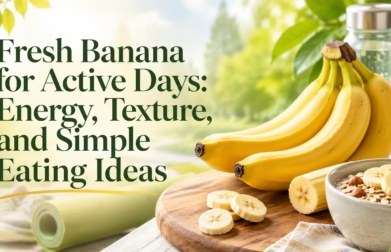
In the fast-paced rhythm of modern life, maintaining a steady and reliable source of energy throughout active days has become a top priority for health-conscious individuals. Amid a marketplace crowded with dietary supplements and highly marketed functional foods, there is one humble yet remarkably nutritious option that often goes overlooked: fresh bananas.
This article aims to provide a comprehensive and accurate exploration of the topic, “Fresh Banana for Active Days: Energy, Texture, and Simple Eating Ideas.” We will uncover how bananas naturally support sustained energy levels, explore the fascinating transformation of their texture throughout different stages of ripeness, and share practical, easy-to-prepare serving ideas that can help maximize their benefits for an active and healthy lifestyle.
1. The Science of Energy: Why Fresh Bananas Are the Ideal Fuel for the Body
When it comes to an active lifestyle whether you are a professional athlete, a gym enthusiast, or simply a busy office worker managing a busy schedule energy is the determining factor. Fresh bananas are more than just a delicious fruit; from a nutritional science standpoint, they are an ideal source of natural fuel for the body.
1.1. The Carbohydrate Matrix: A Blend of Natural Sugars
The key to the power of fresh bananas lies in their complex carbohydrate structure. A fresh banana contains three natural sugars sucrose, fructose, and glucose combined with dietary fiber.
-
Glucose and Fructose: These sugars provide an immediate source of energy, as they are rapidly absorbed into the bloodstream. This is one reason why tennis players often eat bananas between sets.
-
Sucrose and Dietary Fiber: These components act as a “sustained-release” mechanism. Dietary fiber particularly pectin slows the absorption of sugar, helping to maintain stable energy levels and prevent the “sugar crash” often associated with energy drinks and sugary snacks, where blood sugar spikes quickly before dropping sharply.
1.2. Potassium: The Key to Muscle Function
A medium-sized fresh banana provides approximately 400–450 mg of potassium, accounting for nearly 10% of the recommended daily intake (1). During active days especially when engaging in physical activity and sweating the body loses significant amounts of electrolytes.
-
Potassium plays an essential role in nerve signal transmission and muscle contraction by maintaining electrical potential differences across cell membranes. For physically active individuals, consuming potassium-rich foods such as bananas before or after exercise can help support normal muscle function, maintain a steady heart rhythm, and contribute to post-exercise recovery. (2)
1.3. Vitamin B6: The Commander of Energy Metabolism
Fresh bananas are a notable source of vitamin B6. A medium-sized banana provides approximately 0.4 mg of vitamin B6, equivalent to about 25–33% of the Daily Value (DV), depending on the nutritional standard applied. Vitamin B6 plays a crucial role in the metabolism of carbohydrates, proteins, and fats. It also participates in the breakdown of stored glycogen into glucose, allowing the body to use it as a source of energy. A deficiency in vitamin B6 may impair the efficiency of the body’s energy-producing metabolic processes. (3)
2. Decoding Texture: The Remarkable Transformation of Fresh Bananas
The experience of enjoying fresh bananas is never monotonous, as their texture and flavor continuously evolve throughout the ripening process. Understanding these changes allows you to make the most of their nutritional value for different purposes throughout the day.
From a biochemical perspective, banana ripening is a process in which starches (amylose and amylopectin) are gradually converted into simple sugars. This transformation directly influences the fruit’s firmness, creaminess, and sweetness.
Detailed Analysis of Fresh Banana Ripening Stages
| Ripening Stage | Appearance | Texture Characteristics | Key Nutritional Profile | Best Benefits & Uses |
|---|---|---|---|---|
| 1. Slightly Green | The peel is mostly yellow, but the stem and tip remain green. | Fairly firm, dense, and less juicy. Has a slightly starchy mouthfeel when chewed. | Contains the highest level of resistant starch and has a lower glycemic index (GI). | Helps support blood sugar management and digestive health. Suitable for those seeking longer-lasting satiety or weight-management support. Ideal when sliced and served with cereals or grains. |
| 2. Perfectly Yellow | Uniform yellow peel with no visible blemishes. | Firm yet yielding, smooth and creamy without being mushy. | Offers an ideal balance of natural sugars and dietary fiber. Easier to digest than less-ripe bananas. | Provides quick and convenient energy. Excellent as a snack before exercise or as an on-the-go option during a busy workday. |
| 3. Brown Spotted | Yellow peel covered with natural brown speckles (“freckles”). | Very soft, silky, and almost melt-in-the-mouth. | Most of the starch has been converted into simple sugars. Also contains higher levels of antioxidants and TNF-related compounds. | Supports post-exercise recovery and immune function. The preferred choice for smoothies, banana ice cream, or post-workout consumption. |
| 4. Overripe | The peel has turned mostly brown or black. | Extremely soft, mushy, and moist. | Contains the highest concentration of sugars, while resistant starch is nearly depleted. | Ideal for baking. Never throw it away—overripe bananas are a natural sweetener for banana bread, healthy pancakes, and other baked goods. |
3. Simple Eating Ideas: Enjoying Fresh Bananas Throughout an Active Day
The versatility of fresh bananas in the culinary world is virtually limitless. For individuals with busy lifestyles, food preparation should meet three essential criteria: convenience, great taste, and nutritional value. Below are several practical and easy-to-apply eating ideas designed for different moments throughout your day, helping you make the most of fresh bananas while supporting an active lifestyle.
3.1. Pre-Workout: Fueling Your Energy Before Exercise
For an effective workout, a light snack consumed approximately 30–45 minutes beforehand should be easy to digest and gentle on the stomach.
-
The Classic Power Toast: One slice of toasted whole-grain bread topped with one tablespoon of peanut butter and half a fresh banana (preferably at the perfectly yellow stage), sliced. Sprinkle with a small amount of chia seeds for added texture and nutrition. This simple snack provides an excellent combination of complex carbohydrates, plant-based protein, and healthy fats.
-
Banana Energy Bites: Perfect for people on the go. Mash one brown-spotted banana and mix it with rolled oats, unsweetened cocoa powder, and a small amount of honey. Shape the mixture into bite-sized balls and refrigerate until firm. Whenever you need an energy boost, one or two bites are enough to help recharge your body and prepare you for activity.
3.2. Post-Workout: An Optimal Recovery Strategy
After exercise, muscle glycogen stores are depleted, and the body requires protein to support muscle repair and recovery. Brown-spotted fresh bananas are an ideal choice at this stage, as their rapidly available sugars can help replenish energy stores efficiently and support nutrient uptake following physical activity.
-
The Ultimate Recovery Smoothie: Blend one fresh banana (frozen for a thicker, creamier texture), one scoop of whey protein (vanilla or chocolate flavor), 200 ml of plant-based milk (such as almond or oat milk), and a pinch of pink salt. This smoothie helps replenish electrolytes thanks to the potassium from the banana and the sodium from the salt while providing protein to support post-workout muscle recovery.
-
Banana Greek Yogurt Bowl: Combine 150 g of Greek yogurt, a rich source of protein, with half a fresh banana cut into small cubes. Top with berries and walnuts for added flavor and texture. The creamy texture of the banana blends perfectly with the richness of the yogurt and the crunch of the nuts, creating a satisfying and well-balanced post-workout snack.
3.3. Office & On-the-Go Snacks: Smart Choices for Busy Workdays
The office environment often makes it tempting to reach for less nutritious snacks such as cookies, pastries, or sugary beverages especially during the mid-afternoon slump, typically between 3:00 and 4:00 p.m.
-
Fresh Banana & Almonds: A fresh banana paired with a small handful of almonds (approximately 10–15 nuts) is one of the simplest and most convenient snack combinations available. No preparation is required. The banana provides carbohydrates and potassium, while the healthy fats and protein from almonds help promote satiety and keep hunger at bay until dinner.
-
Peanut Butter Banana Sushi: Take a thin tortilla wrap (preferably whole wheat) and spread a light layer of nut butter across the surface. Place a whole banana in the center, roll it tightly, and slice it into bite-sized rounds resembling sushi. This snack is portable, mess-free, and easy to enjoy with one hand while working, making it an excellent option for busy professionals.
4. The Art of Selecting and Storing Fresh Bananas Like a Pro
To ensure you always have high-quality fresh bananas on hand for active days, a strategic approach to purchasing and storage is essential. Improper storage can cause bananas to ripen too quickly or develop excessive browning that affects their appearance and usability.
4.1. How to Choose Fresh Bananas at the Store or Supermarket
-
Buy According to Your Consumption Timeline: If you plan to eat bananas the same day or within the next day, choose bunches that are uniformly yellow with a few brown speckles. If you are buying for an entire workweek, select slightly green-yellow bananas that are still somewhat firm. They will continue to ripen gradually on your kitchen counter.
-
Inspect the Appearance Carefully: Look for bananas with smooth, intact peels free from cracks, splits, or significant bruising. The stem should remain firmly attached to both the fruit and the bunch.
4.2. Professional Tips for Keeping Bananas Fresh Longer
Banana ripening is regulated by ethylene gas naturally released from the stem. By managing this process, you can better control the texture and ripeness of fresh bananas.
-
Wrap the Stem: Cover the stem of the bunch or the stem of individual bananas with plastic wrap or aluminum foil. This helps reduce the release of ethylene gas and may slow the ripening process, allowing bananas to remain fresh for several additional days.
-
Follow the Space Rule: Avoid storing bananas alongside other ethylene-producing fruits such as apples, avocados, and tomatoes unless you intentionally want all of them to ripen more quickly.
-
Hang Your Bananas: Using a banana hanger allows air to circulate evenly around the fruit and helps prevent pressure bruising that can occur when bananas rest on hard surfaces for extended periods.
4.3. Freezing Fresh Bananas: The Secret to Perfect Smoothies
If your bananas have reached the brown-spotted stage and you are unable to consume them immediately, do not throw them away. Instead, peel them, slice them into pieces approximately 2 cm thick, arrange them in a single layer on a tray, and freeze for about two hours. Once frozen, transfer the pieces to a freezer-safe zip bag for long-term storage.
-
Benefits: Frozen fresh bananas create a thick, rich, and creamy texture when blended, often producing a consistency similar to ice cream. They also retain most of their nutritional value and eliminate the need for ice cubes, which can dilute the flavor and texture of smoothies.
5. The Commercial Value and Importance of Fresh Bananas in the Wellness Industry
From a commercial and consumer trends perspective, fresh bananas are far more than just an agricultural commodity. They have become a staple fast-moving consumer good (FMCG) within the wellness and fitness industry, valued for their affordability, convenience, and nutritional benefits.
-
Cost-Effectiveness: Compared with energy bars, sports gels, and many premium imported fruits such as berries and avocados, fresh bananas remain highly affordable and accessible. They represent a practical way to democratize nutrition by providing a high-quality source of natural energy that is available to consumers across a wide range of income levels.
-
Ultimate Convenience: Fresh bananas can be considered nature’s original convenience food. Their protective peel serves as natural packaging, helping shield the fruit from external contamination and minor physical damage. They require no preparation, utensils, or additional packaging, making them an ideal solution for modern consumers seeking healthy, on-the-go snack options.
-
Sustainability: Banana peels are 100% biodegradable, making them significantly more environmentally friendly than the plastic packaging commonly associated with processed snack foods. As sustainability becomes an increasingly important purchasing factor, this natural advantage further strengthens the appeal of fresh bananas among environmentally conscious consumers.
Modern food and beverage brands continue to leverage the value of fresh bananas in innovative ways. Premium coffee chains and smoothie bars frequently feature banana-based beverages on their menus, while healthy snack manufacturers incorporate bananas into products designed to preserve their naturally sweet flavor and appealing texture. From fresh smoothies to freeze-dried fruit snacks, bananas remain a versatile ingredient that aligns with consumer demand for both wellness and convenience.
Understanding the value of fresh bananas ultimately means understanding two of the most influential drivers of modern consumer behavior: health and convenience. As the global wellness market continues to expand, fresh bananas are well positioned to remain a fundamental component of healthy and active lifestyles.
6. Frequently Asked Questions (FAQs): Clearing Up Common Misconceptions About Fresh Bananas
Even a widely consumed fruit like the banana is often surrounded by misconceptions. Below are evidence-based answers to some of the most frequently asked questions.
Q1: Does eating fresh bananas every day cause weight gain?
Answer: Absolutely not provided they are consumed as part of a balanced calorie intake. A medium-sized banana contains approximately 105 calories. Thanks to its fiber content, a banana can help promote satiety and reduce the desire for unhealthy snacking between meals. Weight gain occurs when total calorie intake consistently exceeds daily energy expenditure, not because of any single food.
Q2: Can people with diabetes eat fresh bananas?
Answer: Yes, but choosing the appropriate stage of ripeness is important. Individuals with diabetes may prefer bananas at the Slightly Green or Perfectly Yellow stages. At these stages, bananas contain more resistant starch and generally have a lower to moderate glycemic impact compared with fully ripe bananas. Overripe bananas contain a higher proportion of readily available sugars and may produce a faster rise in blood glucose levels. As with any carbohydrate-containing food, portion size and individual response should be considered.
Q3: Why do some people feel discomfort when eating bananas on an empty stomach in the morning?
Answer: Fresh bananas are rich in potassium and magnesium, both of which are important minerals for overall health. However, some individuals with sensitive digestive systems may experience mild stomach discomfort when consuming bananas alone on an empty stomach. A simple solution is to pair bananas with a source of protein or healthy fats such as yogurt, peanut butter, or nuts which can help slow digestion and create a more balanced meal.
Q4: Should fresh bananas be stored in the refrigerator?
Answer: Bananas should ideally be refrigerated only after they have reached your desired level of ripeness. Cold temperatures significantly slow the ripening process. While the peel may quickly turn dark or black in the refrigerator due to cold-induced discoloration, the fruit inside usually remains fresh and edible. Refrigerating green bananas is generally not recommended, as low temperatures can interfere with normal ripening and may prevent them from developing their optimal flavor and texture.
Conclusion: Start Your Day with Fresh Bananas
Health and sustained energy do not necessarily have to come from expensive or complicated products. Fresh bananas are a clear example of how nature often provides some of the most effective solutions. With their unique combination of smart carbohydrates, essential minerals, and important vitamins, fresh bananas serve as a reliable source of fuel for active days and demanding lifestyles.
Understanding how the texture and nutritional profile of bananas change throughout the ripening process allows you to tailor their benefits to your specific needs. Whether you prefer slightly green bananas for their higher resistant starch content and lower glycemic impact, or brown-spotted bananas for convenient post-workout energy and recovery, each stage offers its own advantages.
Most importantly, with a variety of simple yet practical eating ideas, incorporating fresh bananas into a healthy diet has never been easier. From pre-workout snacks and recovery smoothies to convenient office-friendly options, bananas provide a nutritious, versatile, and enjoyable solution for busy individuals seeking better daily performance.
Tomorrow, try adding a fresh banana to your breakfast or slipping one into your bag before heading out. It is a small investment with a remarkably high return supporting productivity, physical activity, and overall well-being. Natural energy, enjoyable texture, and unmatched convenience all wrapped in a simple yellow peel.
 Blog & News