
When talking about Vietnamese cuisine, alongside pho, banh mi, or the iconic non la (conical hat), there’s another image that stands as an equally powerful symbol: the vibrant red hue of the Vietnamese red chili. More than just a spice, red chili is the soul, the fiery highlight, and an inseparable part of Vietnam’s culinary identity. In this article, we’ll dive deep into every aspect of Vietnamese red chili a term that is increasingly recognized around the world.
From humble street vendors to upscale restaurants, from a simple dipping sauce to a steaming hotpot, the presence of Vietnamese red chili is proof of a refined culinary taste where the heat doesn’t overpower but instead harmonizes and elevates the authentic flavors of the dish.
Let’s find the answers to all your questions about this “small but mighty” spice.
1. Origin and Journey of Vietnamese Red Chili

Few people know that chili is not a native plant of Vietnam. Like coffee or potatoes, it originated in the Americas specifically in the regions that are now Bolivia and Brazil. (1)
The journey of Vietnamese red chili began around the 16th century through Portuguese and Spanish explorers and traders. From there, it gradually spread across Asia before finally making its way to Vietnam.
Thanks to the tropical monsoon climate and fertile soil, chili quickly adapted and thrived along the S-shaped land. The Vietnamese people, with their creativity and diverse palate, turned Vietnamese red chili into an indispensable part of their cuisine. Over time, they domesticated, selected, and crossbred various chili varieties, creating a rich “chili heritage” that continues to flourish today.
2. Classification of the Most Popular Vietnamese Red Chili Varieties
“Vietnamese red chili” is incredibly diverse. Depending on the region and its intended use, there are many different types of red chili. Below are the most common and iconic varieties:
Bird’s Eye Chili:

- Characteristics: This is the most common type of chili found in every Vietnamese kitchen. The fruit is small, slender, and about 2–4 cm long. It is green when unripe and turns bright red when ripe. True to its name, the chili pods usually grow pointing upward toward the sky.
- Spiciness: Extremely hot, with a “bursting” heat that spreads quickly. It serves as the primary source of spiciness in most Vietnamese dishes.
- Culinary Uses: Used in almost every dish dipping sauces, stir-fries, braised dishes, soups, and even eaten raw.
Horn Chili / Cayenne Pepper:

- Characteristics: The chili is larger and longer than the Bird’s Eye Chili (can reach up to 10–15 cm in length), with a pointed tip and a typically thick, glossy skin.
- Spiciness: Milder than the Bird’s Eye Chili, but it has a strong, distinctive aroma and a beautiful color when cooked.
- Culinary Uses: Commonly used to enhance the visual appeal of dishes (such as in bo kho – Vietnamese beef stew, or curry), and for making chili satay, dried chili, or stuffed chili.
Green Chili Pepper:

- Characteristics: Green chili is a slender, medium-sized pepper with a bright color and crisp texture, harvested before fully ripening.
- Spiciness: Moderately hot with a sharp, refreshing kick that fades quickly.
- Culinary Uses: Ideal for stir-fries, marinades, and sauces, adding both color and mild heat to dishes.
Bell Pepper:
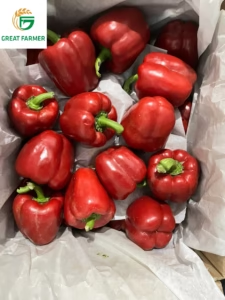
- Characteristics: Although technically also a type of red chili, the bell pepper (which turns red when ripe) is completely non-spicy. The fruit is large, with thick, juicy flesh and a naturally sweet flavor.
- Spiciness: Not spicy at all (0 SHU).
- Culinary Uses: Considered more of a vegetable than a spice, it is commonly used in stir-fried dishes (such as beef stir-fried with bell pepper), salads, or eaten raw.
3. Comparative Table of the Spiciness of Vietnamese Red Chili (Scoville Scale)
To better understand the differences, we need to talk about capsaicin the chemical compound that creates heat and the Scoville scale (SHU – Scoville Heat Units). This scale indicates the spiciness level of chilies.
Below is a comparative table of the most common Vietnamese red chili varieties on the Scoville scale:
| Common English Name | Estimated Spiciness (SHU) | Flavor & Usage Characteristics |
|---|---|---|
| Vietnamese Bird’s Eye Chili | 100,000 – 250,000 SHU | Explosively hot and fiery. Used in dipping sauces, braised dishes, and stir-fries. |
| Chili Padi / Demon Chili | 150,000 – 350,000+ SHU | Extremely sharp and lingering heat, tongue-numbing. Favored by chili lovers, often used in hotpots. |
| Vietnamese Horn Chili / Cayenne | 30,000 – 50,000 SHU | Moderately spicy with a strong aroma. Used for coloring dishes, making dried chili, or chili satay. |
| Vietnamese Chili Powder | 10,000 – 40,000 SHU | Mild to medium heat (depending on the chili used). Commonly used for marinating and coloring food. |
| Red Bell Pepper | 0 SHU | Not spicy, sweet, and juicy. Used as a vegetable in stir-fries or salads. |
Note: The spiciness level of chili can vary significantly depending on soil conditions, climate, and harvest time.
4. Golden Nutritional Value and Health Benefits of Vietnamese Red Chili

Vietnamese red chili is not just a spice it is a “superfood” packed with remarkable nutritional value:
-
Rich in Vitamin C: A single red chili pepper can contain more Vitamin C than an orange, helping to strengthen the immune system and provide powerful antioxidant protection. (2)
-
A source of Vitamin A (Beta-Carotene): Helps improve vision and maintain healthy skin.(3)
-
Supports red blood cell production: Copper and iron are essential minerals for the formation of new blood cells. (4)
- Capsaicin – the “Golden Compound”:
-
-
Pain relief: Capsaicin can stimulate and then desensitize pain receptors, making it widely used in medicine for topical creams that relieve muscle and joint pain. (5) (6)
-
Boosts metabolism: Eating spicy foods helps increase thermogenesis in the body, supporting calorie burning and weight loss. (7)
-
Protects the stomach lining: At low concentrations, capsaicin helps protect the stomach from damage caused by ethanol or NSAIDs (when consumed in moderation). (8)
-
Heart health: Some studies suggest that capsaicin may help reduce bad cholesterol (LDL) and lower blood pressure. (9)
-
However, everything is best in moderation. Overconsumption of red chili may cause stomach irritation, internal heat, and affect your sense of taste.
5. The Soul of Vietnamese Cuisine: Red Chili in Every Dish
Without Vietnamese red chili, the culinary map of Vietnam would lose much of its charm and allure.
Dipping Sauce – Where Spiciness Shines
All the essence of Vietnamese cuisine seems to gather in a small bowl of dipping sauce, and red chili is the key element that defines both its “color” and “flavor.”
-
Fish Sauce Dip: A few slices of fresh red chili, finely chopped with garlic, blending harmoniously with the salty flavor of fish sauce, the sourness of lime, and the sweetness of sugar.
-
Chili–Salt–Lime Dip: Simple yet “addictive,” often used as a dip for seafood or boiled chicken.
-
Fermented Shrimp Paste: Fresh chili is indispensable for balancing and enhancing the strong aroma of the paste.
Chili Sauce – The “National Essence” Reaching the World
Vietnamese red chili is the core ingredient behind Vietnam’s famous chili sauces. From Northern-style chili sauce (mildly spicy with a sweet and sour balance) to Central-style chili sauce (intensely hot and thick) and Southern-style chili sauce (sweeter and more aromatic), each region showcases its own interpretation of spiciness.
The global success of Vietnamese chili sauce brands has proudly placed Vietnamese red chili on the world spice map.
A Key Spice in Braised, Stir-fried, and Soup Dishes
-
Braised dishes – such as braised fish or braised pork: A few crushed horn chili peppers or whole bird’s eye chilies not only add a mild, tingling heat but also effectively remove any fishy odor, making the dish richer in flavor and more visually appealing.
-
Soups – especially sour soup: The spiciness of chili perfectly balances the sourness of tamarind, the sweetness of fish, and the fragrance of herbs.
-
Bún Bò Huế – The iconic orange-red color and distinctive spiciness of this dish come from a blend of ground chili (used to make satay oil) and fresh chili.
Other Processed Chili Products
Beyond using fresh chilies, Vietnamese people have created countless ways to preserve and enjoy chili all year round:
-
Dried chili: Either sun-dried whole or ground into chili powder, used for seasoning or making dishes like kimchi.
-
Satay: A flavorful mix of chili powder, minced chili, lemongrass, and cooking oil the “magical” seasoning for hot pots, grilled dishes, and noodle soups.
-
Pickled chili in vinegar: Commonly found in pho or vermicelli soup restaurants, enhancing the aroma and depth of the broth.
6. Tips for Preparing and Preserving Red Chili to Keep It Fresh and Flavorful
- During Preparation: Capsaicin can cause a burning sensation. Always wear gloves when chopping or slicing a large quantity of chilies. If it gets on your skin, wash the affected area with fresh milk, cooking oil, or vinegar water alone is much less effective.
- Short-term Storage (Refrigeration): Place chilies in a zip-lock bag or airtight container lined with paper towels, and store them in the cool compartment of the refrigerator. This method keeps them fresh for 1–2 weeks.
- Long-term Storage (Freezing):Wash the chilies and let them dry completely (you can leave the stems on).
Store them in a zip-lock bag and freeze. Frozen chilies retain their spiciness but lose their crisp texture, making them best suited for cooking. - Making Dried Chili: Sun-dry the chilies for several days in strong sunlight, or dehydrate them using an oven or air fryer at a low temperature until fully dry.
Conclusion: The Spicy Flavor That Bears the Pride of Vietnam
Vietnamese red chili is more than just a fruit it is a heritage, a story of cultural fusion and creative adaptation. Once a “foreign newcomer,” Vietnamese red chili has become an irreplaceable soul in thousands of dishes, shaping the identity of Vietnamese cuisine: bold, fiery, flavorful yet full of finesse and balance.
Whether you are a professional chef, a home cook, or simply a food lover, understanding Vietnamese red chili opens a new door to appreciating the richness and complexity of every flavor that defines the S-shaped land of Vietnam.
🔥 Bring the Heat with Great Farmer!
Discover the authentic Vietnamese red chili bold, flavorful, and proudly grown by Great Farmer.
👉 Join us today and taste the pride of Vietnam in every bite!
Contact us :
📞Phone/Whatsapp:+(84) 785017575 | +(84) 778078134 |+(84) 0335313567
📧Email: mia@greatfarmer.com.vn | clay@greatfarmer.com.vn | loan@greatfarmer.com.vn
🌐Website: www.greatfarmer.com.vn
 Blog & News