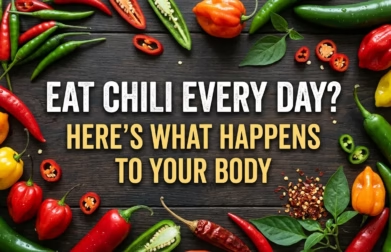
Across many culinary traditions worldwide, chili peppers are not merely a spice but a defining element that shapes the identity of countless dishes. Their intense heat delivers a powerful sensory kick, awakening the palate and making the dining experience more vibrant and engaging.
However, behind this appeal lies a question that concerns many people: Is consuming chili peppers on a daily basis truly beneficial for health? And when the body is regularly exposed to this pungent heat, what subtle reactions are taking place internally?
This article aims to provide a clear and scientific perspective on the issue, examining both the benefits and the potential effects of chili peppers on the body. From there, you can make more informed decisions about your diet enjoying bold flavors while maintaining optimal health.
1. Chili Peppers and the “Miracle” Called Capsaicin
Before exploring how the body responds, it is essential to understand the “secret weapon” behind the distinctive nature of chili peppers. The burning sensation, sweating, and rapid heartbeat you experience when eating chili are not caused by actual heat, but by a chemical compound known as capsaicin.
Capsaicin is primarily concentrated in the white membranes (placental tissue) that attach to the seeds of the chili pepper. Once it enters the mouth, capsaicin immediately binds to pain receptors on nerve endings particularly the TRPV1 (Transient Receptor Potential Vanilloid 1) receptors. These receptors are responsible for detecting high temperatures and pain. Being “tricked” by capsaicin, the brain interprets this interaction as exposure to intense heat, triggering a series of cooling responses such as sweating, tearing, facial flushing, and vasodilation.(1)
However, capsaicin is not merely a “creator of a burning illusion.” Modern scientific research has shown that this compound is a biologically active substance with significant health benefits, playing a central role in various medical and pharmaceutical applications today.
2. Nutritional Profile of Chili Peppers
Many people assume that chili peppers are merely a flavor-enhancing spice, overlooking the rich nutritional value they contain. In reality, chili peppers serve as a highly efficient natural “source” of essential vitamins and minerals.
Below is the estimated nutritional composition found in 100 grams of fresh red chili peppers (based on data from the USDA):
| Nutrient | Amount | % Daily Value (DV) | Role in the Body |
|---|---|---|---|
| Calories | 40 kcal | 2% | Provides low energy, suitable for weight management. |
| Water | 88 g | – | Supports hydration. |
| Protein | 1.87 g | 4% | Aids basic cellular repair and maintenance. |
| Carbohydrates | 8.81 g | 3% | Provides quick energy. |
| Fiber | 1.5 g | 6% | Supports digestion and helps reduce cholesterol levels. |
| Sugars | 5.3 g | – | Naturally occurring sugars, generally harmless in moderation. |
| Fat | 0.44 g | <1% | Very low, beneficial for heart health. |
| Vitamin C | 144 mg | 240% | A powerful antioxidant; supports collagen production and boosts immunity. |
| Vitamin B6 | 0.506 mg | 25% | Essential for nervous system function and energy metabolism. |
| Vitamin K1 | 14 mcg | 17.5% | Supports blood clotting and bone health. |
| Vitamin A | 952 IU | 19% | Enhances vision and supports skin health. |
| Potassium | 322 mg | 9% | Helps maintain electrolyte balance and supports cardiovascular function. |
| Copper | 0.129 mg | 5% | Important for strong bones and proper nervous system function. |
Professional Note: The vitamin C content in red chili peppers is exceptionally high often two to three times greater than that of oranges when compared by equal weight. However, since chili peppers are typically consumed in relatively small quantities, they function as an effective source of micronutrient supplementation rather than a primary dietary staple.
3. What Happens to Your Body When You Eat Chili Peppers Every Day?
When consumed daily in moderate and appropriate amounts, chili peppers can trigger a range of surprisingly positive changes in the body.
3.1. Activating Fat Burning and Supporting Weight Loss
One of the most widely recognized health and commercial benefits of chili peppers is their ability to support weight management.
-
Enhancing thermogenesis: Capsaicin stimulates the body to generate heat a process known as thermogenesis which requires additional energy expenditure (calories). (2) (3)
-
Promoting fat oxidation: Regular consumption of spicy foods can increase the rate of fat oxidation, helping convert excess body fat into usable energy. (4) (5)
-
Reducing appetite: The intense heat of chili peppers can influence appetite regulation, helping you feel full more quickly and reducing overall food intake during main meals particularly curbing cravings for sugary or high-fat foods. (6) (7)
3.2. Anti-Aging Effects and Longevity Enhancement
A landmark study published in the Journal of the American College of Cardiology followed nearly 23,000 individuals in Italy over an eight-year period and reached a compelling conclusion: those who consumed chili peppers at least four times per week had a 23% lower risk of all-cause mortality compared to those who rarely ate them. (8) (9)
- More notably, the risk of death from heart disease was reduced by 40%, while mortality related to cerebrovascular diseases (such as stroke) decreased by over 50%. These benefits are largely attributed to the powerful antioxidants found in chili peppers such as vitamin C, beta-carotene, and lutein which help protect cells from oxidative stress caused by free radicals, slow down cellular degeneration, and reduce systemic inflammation. (10)
3.3. A Powerful Natural Pain Reliever
This is one of the most unique mechanisms of capsaicin. When chili peppers are consumed regularly (or when capsaicin-based creams are applied topically), they gradually deplete a neurotransmitter known as Substance P the compound responsible for transmitting pain signals to the brain.
- As Substance P is reduced, the sensation of pain is significantly diminished. This is why capsaicin extracts are widely used in medical applications to produce topical treatments for conditions such as joint pain, neuropathic pain, rheumatoid arthritis, and even migraines.(11)
3.4. Strengthening the Immune System
Your body can be viewed as a fortress, and the vitamin C and vitamin A found in chili peppers serve as highly effective defensive forces. Incorporating fresh chili peppers into your daily diet helps build a natural protective barrier against pathogens, bacteria, and viruses responsible for common colds and flu.
Moreover, the pungent heat of chili peppers can help thin mucus, promoting clearer airways and providing noticeable relief from nasal congestion. (12)
3.5. Unexpected Benefits for the Digestive System (Debunking a Common Myth)
Many people believe that eating chili peppers causes stomach ulcers. However, this is a misconception in modern medical science. The primary causes of gastric ulcers are the bacterium Helicobacter pylori and the frequent use of nonsteroidal anti-inflammatory drugs (NSAIDs). (13)
On the contrary, scientific evidence suggests that moderate consumption of chili peppers may offer digestive benefits by:
-
Stimulating mucus production:Encourages the stomach to secrete more protective mucus, helping safeguard the gastric lining. (14)
-
Inhibiting the growth of H. pylori:Helps suppress the proliferation of harmful bacteria.(15)
-
Enhancing blood circulation: Improves blood flow to the stomach lining, potentially supporting faster healing of mild, non-aggravated ulcers.
3.6. Blood Sugar Regulation – Good News for People with Diabetes
Adding a small amount of chili peppers to a carbohydrate-rich meal has been shown to help prevent sharp spikes in post-meal blood sugar levels (insulin spikes). Regular consumption of chili peppers may also improve insulin sensitivity, thereby supporting the natural and safe management of Type 2 Diabetes. (16)
4. Potential Risks: What Happens If You Overconsume Chili Peppers?
Like many things in nutrition, chili peppers have a dual nature. The line between a “health booster” and a “harmful agent” lies in dosage. Excessive daily consumption especially at levels beyond the body’s tolerance can lead to several immediate adverse effects:
4.1. Gastrointestinal Irritation (Acute Gastritis)
While moderate amounts may help protect the stomach, a large intake of capsaicin can become a strong irritant to the digestive system. It may trigger stomach contractions, causing intense burning sensations and abdominal discomfort. For individuals with active gastric ulcers, capsaicin exposure can significantly worsen pain.
4.2. Aggravation of Irritable Bowel Syndrome (IBS) and Diarrhea
The small and large intestines contain highly sensitive receptors. Excessive chili consumption accelerates intestinal motility (muscle contractions), causing food to pass through the digestive tract too quickly for proper water absorption resulting in acute diarrhea.
For individuals with Irritable Bowel Syndrome or Crohn’s Disease, symptoms such as inflammation, bloating, and abdominal cramps may become significantly worse.
4.3. Gastroesophageal Reflux Disease (GERD)
Spicy foods can relax the lower esophageal sphincter the valve that separates the stomach from the esophagus. When this valve weakens, stomach acid and spicy contents can reflux upward, leading to symptoms of Gastroesophageal Reflux Disease, including heartburn, throat irritation, and bad breath.
4.4. Temporary Reduction in Taste Sensitivity
Frequent exposure to extremely spicy chili varieties such as Habanero or Ghost Pepper can temporarily desensitize taste receptors on the tongue. Over time, this may reduce sensitivity to normal flavors, making foods seem bland unless additional spice is added, potentially creating an unhealthy dependency on high levels of spiciness.
5. Who Should Limit or Avoid Chili Peppers
Despite their numerous health benefits, certain individuals should exercise caution or avoid chili peppers altogether to ensure medical safety. The following groups are advised to consult a healthcare professional or restrict consumption:
-
Individuals with Severe Gastric or Duodenal Ulcers: Chili peppers should be avoided during active ulcer treatment or in cases of gastrointestinal bleeding, as they may aggravate the condition.
-
Patients with Hemorrhoids: The heat from chili peppers, combined with their potential to cause irregular bowel movements (constipation or diarrhea), can worsen inflammation of hemorrhoids, leading to increased pain and bleeding during bowel movements.
-
Individuals with Gastroesophageal Reflux Disease: Spicy foods can exacerbate symptoms such as acid reflux, heartburn, and chest discomfort.
-
Pregnant and Breastfeeding Women: Excessively spicy foods during pregnancy may intensify heartburn. For breastfeeding mothers, high intake of chili peppers may allow capsaicin to pass into breast milk, potentially causing discomfort in infants, such as irritability, diaper rash, or digestive disturbances.
-
Individuals Taking Anticoagulant Medications: High consumption of chili peppers and garlic may slightly increase the risk of bleeding. Caution is advised when combined with medications such as Warfarin or Aspirin.
6. Scientifically-Guided Chili Consumption for Optimal Health
To fully maximize the benefits of chili peppers without compromising your health, consider the following evidence-based guidelines:
-
Portion Control (Moderation is Key): Consume approximately ½ to 1 red chili pepper per day (equivalent to 5–10g of fresh chili). Avoid forcing yourself to eat spicy foods if your body reacts with discomfort, such as abdominal pain.
-
Combine with Healthy Fats: Capsaicin is a fat-soluble compound, meaning it dissolves in fat rather than water. When cooking, pair chili peppers with healthy fats like olive oil or include them in dishes containing meat or fish. This enhances the absorption of capsaicin as well as fat-soluble vitamins such as A and K.
-
Avoid Eating Chili on an Empty Stomach: Direct exposure of capsaicin to an empty stomach lining can cause irritation and increase the risk of inflammation. Always consume chili peppers alongside main foods such as rice, noodles, or bread.
-
Prioritize Fresh Chili Over Processed Sauces: Fresh chili peppers retain their full content of vitamin C and natural bioactive compounds. In contrast, industrial chili sauces and condiments often contain high levels of sodium, added sugars, and preservatives, which may negatively impact kidney function and blood pressure if consumed daily.
7. Decoding the Scoville Heat Scale (SHU)
The spiciness of chili peppers is not measured subjectively it is quantified using an international standard known as the Scoville Scale (Scoville Heat Units – SHU). This scale measures the concentration of capsaicin in chili peppers. Understanding SHU helps you choose the right level of heat for your daily diet:
-
Bell Pepper: 0 SHU – No heat at all; ideal for everyday cooking while providing a good source of vitamin C.
-
Jalapeño / Vietnamese Long Chili (Ớt sừng): 4,000 – 8,000 SHU – Mild to moderate heat; suitable for regular daily consumption.
-
Bird’s Eye Chili (Ớt hiểm / Ớt chỉ thiên): 50,000 – 100,000 SHU – Very spicy; should be used sparingly as a seasoning rather than consumed directly.
-
Habanero: 100,000 – 350,000 SHU – Extremely hot; requires caution during preparation and consumption.
-
Carolina Reaper (Guinness World Record): Up to 2,200,000 SHU – An intensely extreme level of heat, potentially causing severe reactions such as acute irritation or even shock-like responses. It is not suitable for regular dietary use.
8. Frequently Asked Questions (FAQ) About Daily Chili Consumption
Q1: Does drinking water help reduce the burning sensation from chili peppers?
Answer: No. As explained earlier, capsaicin is not water-soluble. Drinking plain water especially cold water can actually spread capsaicin oils throughout the mouth, making the burning sensation worse.
To relieve the heat effectively, consume dairy products such as milk, yogurt, or cheese. The fat and the protein casein help break down capsaicin. Alternatively, a spoonful of honey or a small amount of sugar can also provide quick relief.
Q2: Does eating chili peppers daily cause acne?
Answer: Chili peppers themselves do not directly cause acne. However, their thermogenic effect can increase blood circulation and stimulate sweat and oil (sebum) production. For individuals with oily skin, excessive sweating combined with dirt may clog pores and նպ lead to breakouts.
In many cases, the real trigger is not the chili itself, but its combination with greasy foods (such as spicy hot pot or fried foods), which are more likely to contribute to acne development.
Q3: Are dried chili flakes as beneficial as fresh chili peppers?
Answer: Dried chili powder retains capsaicin, vitamin A, and most minerals. However, vitamin C is highly sensitive to heat and oxidation. As a result, the drying process significantly reduces the vitamin C content compared to fresh chili peppers.
Conclusion
Consuming chili peppers daily is not a harmful habit; on the contrary, it can offer remarkable health advantages from supporting weight management and protecting cardiovascular health to boosting immunity and even contributing to longevity, largely thanks to the powerful compound known as capsaicin.
However, the key to good health always lies in balance. The human body is a highly sophisticated system, but it also has its limits. Listen to your body, use chili peppers as a complementary ingredient rather than a main component, enjoy their heat in moderation, and combine them with a well-balanced lifestyle. Avoid turning spiciness into a burden on your stomach and digestive system.
When consumed wisely, this small yet potent ingredient can become a valuable “natural remedy” right in your own kitchen.
 Blog & News