

Dragon fruit, also known as Pitaya, is not only a tropical fruit with a vibrant and unique appearance but also a true “superfood.” It is a rare fruit that stands out for its striking and unusual look. With its vivid skin resembling the scales of a mythical dragon and its flesh dotted with thousands of tiny black seeds like sesame, this fruit has become a beloved favorite around the world.
However, the true value of this member of the Cactaceae family lies not in its eye-catching exterior, but in its complex nutritional profile. Not all dragon fruits are created equal. The differences in color from pristine white flesh, captivating red flesh, to golden yellow skin not only deliver distinct flavor experiences but also represent unique bioactive compounds and specific health-related benefits.
This article will dive deeper into analyzing the benefits of dragon fruit, providing a detailed comparison of white-fleshed, red-fleshed, and yellow-skinned varieties, helping you understand which type best fits your needs.
I. Decoding the Nutritional Profile of Dragon Fruit
Before diving into the details of each color, we first need to understand the overall nutritional foundation that has made this fruit so renowned. Dragon fruit is a rich source of essential micronutrients, low in calories, yet high in fiber and beneficial plant compounds.
1.1. Basic Nutritional Composition Table
According to the USDA, in 100g of dragon fruit flesh (edible portion), scientists have identified a perfectly balanced combination of micronutrients and macronutrients:
-
Water: ~84g (Excellent for cellular hydration).
-
Energy: 57 kcal (An ideal calorie level for individuals aiming for weight control).
-
Protein: 0.36g
-
Fat: 0.14g (Primarily unsaturated fats found in the seeds).
-
Carbohydrates: 15.23g
-
Dietary Fiber: 3.1g (Provides about 10–12% of the daily recommended intake).
-
Vitamin C: 2.5mg – 7mg (Depending on variety and ripeness).
-
Calcium: 9mg
-
Iron: 0.18mg
-
Magnesium: 7mg
Note: These values vary depending on the variety, ripeness level, cultivation practices, and growing conditions. All numbers above are for reference only.
1.2. Valuable Phytochemicals
The real strength behind the benefits of dragon fruit lies in its diverse range of plant-based compounds:
-
Polyphenols: Help protect cells against damage caused by free radicals.
-
Carotenoids: Precursors to vitamin A, beneficial for eye health and immune function.
-
Betalains: A group of red–purple pigments with antioxidant power many times stronger than vitamin C.
II. In-Depth Analysis by Variety: Nutritional Differences by Color
Although all are beneficial to health, the color pigments in the flesh are key indicators of different antioxidant compounds and flavor profiles. Below is the detailed breakdown:
2.1. White-Fleshed Dragon Fruit (Hylocereus undatus) – The “Weight-Loss Warrior”
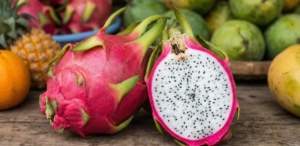
This is the most common variety on the market, usually featuring pink skin with green scales.
-
Flavor profile: Mild sweetness, light acidity, and a refreshing cooling taste.
-
Nutritional profile:
-
Lower sugar content: Compared to the other varieties, white-fleshed dragon fruit generally has a lower sugar level, making it an ideal choice for those managing blood sugar or individuals with diabetes (at moderate intake levels).
-
High fiber content: Its spongy texture contains a significant amount of insoluble fiber, which acts like a “broom” that helps sweep and clean the digestive tract.
-
-
Specific Benefits:
-
Weight management: Thanks to its low calorie and low sugar content, this variety is an excellent addition to any weight loss diet.
-
Cooling and detoxifying effects: According to Traditional Eastern Medicine, this type has a “cooling” nature, helping the body release heat and stay balanced during hot weather.
-
2.2. Red/Purple Dragon Fruit (Hylocereus polyrhizus) – The “Antioxidant Factory”

This type of dragon fruit has a deep red or vibrant purple color both inside and out. This color is not just for aesthetics; it is a sign of betalains.
-
Taste characteristics: Sweeter than white-fleshed dragon fruit, with a more intense aroma, soft and smooth flesh, and less spongy texture.
-
Specialized nutritional analysis:
-
Betalains: The red color of the flesh comes from betalains (including betacyanin and betaxanthin), also found in beets and prickly pears. Betalains are powerful antioxidants that can protect LDL cholesterol from oxidation or damage.
- Anti-inflammatory: Studies indicate that betalains can inhibit cyclooxygenase enzymes – key agents in the body’s inflammatory processes.
-
Carotenoids: Contains more vitamin A precursors than the white-fleshed variety.
-
-
Specific benefits:
-
Cardiovascular protection: Research shows that the betalains in red dragon fruit help reduce “bad” cholesterol and improve vascular health.
-
Anti-aging: High antioxidant levels help neutralize free radicals, slowing down skin aging.
-
2.3. Yellow Dragon Fruit (Selenicereus megalanthus) – The Sweet “Queen”

Yellow dragon fruit from Colombia/Ecuador. Smaller in size, with bright yellow skin and spines (or small thorn-like eyes) instead of ears.
-
Flavor profile: The sweetest and richest among the three types (often compared to the sweetness of honey). Has a delicate floral aroma. Seeds are larger and crunchier, and the flesh is translucent and firmer.
-
Specialized nutritional analysis:
-
High natural fructose: With a high natural fructose content, it provides instant energy.
-
Rich in Omega-3: Due to its larger seeds, the seed oil content is higher, supplying essential Omega-3 fatty acids for brain and heart health.
-
-
Specific benefits:
-
Energy boost: Suitable for athletes or individuals needing rapid energy recovery.
-
Strong digestive support: The seeds have a natural laxative effect, promoting effective digestion.
-
3. Detailed Comparison Table of Dragon Fruit Types
To help readers easily visualize and make a choice, below is a summary table comparing their characteristics:
| Feature | White-Fleshed Dragon Fruit | Red-Fleshed Dragon Fruit | Yellow Dragon Fruit |
|---|---|---|---|
| Scientific Name | Hylocereus undatus | Hylocereus polyrhizus | Selenicereus megalanthus |
| Sweetness | Low – Medium | Medium – High | Very High |
| Main Antioxidants | Flavonoids, Vitamin C | Betalains, Betacyanin | Carotenoids, Vitamin C |
| Sugar Content | Lowest | Medium | Highest |
| Flesh Texture | Crisp, spongy | Soft, smooth | Slightly firm, translucent |
| Key Benefits | Weight management, blood sugar control | Cardiovascular protection, skin health, anti-aging | Energy boost, digestive support |
| Price | Affordable | Moderate | Premium (most expensive) |
III. Scientifically Proven Golden Benefits of Dragon Fruit
Here are the compelling reasons based on numerous modern scientific studies. Below is a detailed analysis of its effects on the body:
3.1. Fighting Chronic Diseases with Antioxidants
Dragon fruit is a treasure trove of natural antioxidants:
-
Lycopene: Reduces cellular damage and supports cardiovascular health.
-
Polyphenols / Flavonoids: Exhibit anti-inflammatory, anti-cancer, and anti-cardiovascular properties.
- Consuming foods rich in antioxidants helps prevent cellular damage caused by free radicals, which are the root cause of arthritis, heart disease, and cancer.
3.2. Supports a Healthy Digestive System
Rich in dietary fiber, which aids digestion and helps prevent constipation. One cup of dragon fruit provides 3.1 grams of fiber, accounting for 11% of the Daily Value (DV).
Dragon fruit also contains prebiotics known as oligosaccharides. These beneficial compounds stimulate the growth of helpful bacteria such as Bifidobacteria and Lactobacillus. Probiotics have been shown to prevent or treat digestive conditions, including irritable bowel syndrome (IBS). (1)
3.3. Boosts the Immune System
With a high content of vitamin C (especially in red-fleshed and yellow dragon fruit), this fruit stimulates the production of white blood cells, helping the body fight off invading bacteria and viruses. In the context of modern epidemics, including dragon fruit in your weekly diet is an excellent natural preventive measure. (2)
3.4. Blood Sugar Regulation (Low GI)
Although naturally sweet, dragon fruit (especially the white-fleshed variety) has a low to medium glycemic index (GI). The fiber in dragon fruit slows the absorption of sugar into the bloodstream, preventing post-meal blood sugar spikes. However, individuals with diabetes should prioritize the white-fleshed variety and consume it in moderation. (3)
-
Iron: Iron is a mineral that is difficult to absorb but essential for transporting oxygen in the blood. Dragon fruit is one of the few fresh fruits that provides a significant amount of iron. To enhance iron absorption, it is recommended to consume dragon fruit with vitamin C, as vitamin C greatly increases the uptake of non-heme iron (plant-based iron). This makes dragon fruit an excellent choice for vegetarians who are prone to anemia.(4)
-
3.6. Radiant Skin from Within
Its high water content, combined with vitamin C and antioxidants, helps to: (6)
- Hydrate the skin.
- Support collagen production, the protein that maintains skin elasticity and reduces wrinkles.
- Reduce acne and soothe sunburned skin (can also be used as a natural face mask).
3.7. Supports Heart Health
Dragon fruit seeds contain polyunsaturated fatty acids (linoleic acid, oleic acid, palmitic acid, stearic acid). Dragon fruit seed oil can be considered a potential source of essential fatty acids and tocopherols, which possess strong antioxidant properties. (7)
The red color of red-fleshed dragon fruit comes from betalains, which can help prevent the oxidation of LDL (bad) cholesterol. Oxidized LDL is a primary cause of atherosclerotic plaque formation. Additionally, dragon fruit seeds contain monounsaturated fats, which help increase HDL (good) cholesterol.
Chapter 4: How to Use Dragon Fruit Properly and Creatively
To maximize the benefits of dragon fruit, you need to know how to select, store, and prepare it.
4.1. Tips for Choosing the Perfect Dragon Fruit
-
Check the skin: Choose fruits with bright, vibrant colors (deep pink or bright yellow). Avoid fruits with many brown spots or purple bruises, which indicate overripeness or damage.
-
Examine the “tips” (scales): The tips should still be green and fresh. If they are dry, brittle, or have turned dark brown/black, the fruit has been harvested for too long.
-
Test the firmness: Gently press the fruit. If it is slightly soft (like a ripe mango or avocado), it is ready to eat. If too hard, it is underripe (may taste sour); if too soft, it is overripe or spoiled.
4.2. Expert Storage Tips
-
Room temperature: If the fruit is not fully ripe, keep it in a well-ventilated area for 2–3 days.
-
Refrigerator: Once ripe, place the fruit in a perforated plastic bag and store it in the fridge. It can stay fresh for 5–7 days. Note: Dragon fruit easily absorbs odors from other foods, so wrap it tightly.
-
Freezing: Dice the fruit and freeze it for long-term use in smoothies.
4.3. Creative Ways to Enjoy Dragon Fruit: More Than Just a Dessert
Don’t limit yourself to eating it fresh try these recipes to keep things exciting:
-
Dragon Fruit Smoothie Bowl (Healthy Smoothie Bowl):
-
Blend frozen red dragon fruit with banana and almond milk.
-
Pour into a bowl and top with chia seeds, flaxseeds, shredded coconut, granola, and a few kiwi slices.
-
-
Dragon Fruit Shrimp Salad:
-
Cube white dragon fruit. Boil and peel shrimp.
-
Mix with lettuce and cherry tomatoes.
-
Dressing: mayonnaise mixed with a bit of chili sauce and passion fruit juice.
-
-
Dragon Fruit Salsa (Mexican Twist):
-
Finely chop red dragon fruit and mix with red onion, jalapeño, cilantro, lime juice, and a pinch of salt.
-
Serve with corn chips (nachos) or as a taco filling.
-
-
Dragon Fruit Toast:
-
Chapter 5: Comparing Vietnamese Dragon Fruit and International Dragon Fruit
Precautions and Possible Side Effects
Although dragon fruit is very healthy, “too much of anything isn’t good.” Here are some important points for safe consumption:
-
Digestive issues: Eating too much dragon fruit (especially yellow dragon fruit) can have a strong laxative effect, leading to diarrhea due to its high fiber and seed content.
-
Urine color change (Pseudohematuria): Consuming large amounts of red-fleshed dragon fruit may cause your urine or stool to appear reddish-pink. Don’t panic! This is a normal effect caused by the body excreting excess betalain pigment and is completely harmless. It will subside once you reduce consumption.
-
Allergic reactions: Although rare, some individuals with sensitive constitutions may be allergic to proteins in the fruit or its pollen. Symptoms can include tongue swelling, itchy throat, or rashes.
Conclusion: Which Type of Dragon Fruit Should You Choose?
In summary, the benefits of dragon fruit for human health from boosting immunity and supporting digestion to enhancing skin health are undeniable. Choosing the right type depends on your taste preferences and health goals:
-
White-fleshed Dragon Fruit: Ideal if you want to lose weight, control blood sugar, and enjoy a mildly tangy, refreshing taste.
-
Red-fleshed Dragon Fruit: Perfect for those focusing on anti-aging, heart protection, and a rich, sweet flavor with vibrant color.
-
Yellow-skinned Dragon Fruit: Best if you need quick energy, want effective relief from constipation, and enjoy a unique, aromatic sweetness.
Make dragon fruit a regular part of your balanced diet to enjoy a healthy, energized body.
To maximize the exceptional benefits of dragon fruit including preserving its nutritional content and betalain levels it’s crucial to choose a reliable source of fresh, high-quality, and safe fruit. Visit Great Farmer today to get fresh, premium dragon fruits and fully enjoy their golden nutritional value for your family’s health!
Contact us:
📞 Phone / WhatsApp: +84 785 017 575 | +84 778 078 134 | +84 033 531 3567
📧 Email: mia@greatfarmer.com.vn | clay@greatfarmer.com.vn | loan@greatfarmer.com.vn
🌐 Website: www.greatfarmer.com.vn
 Blog & News