
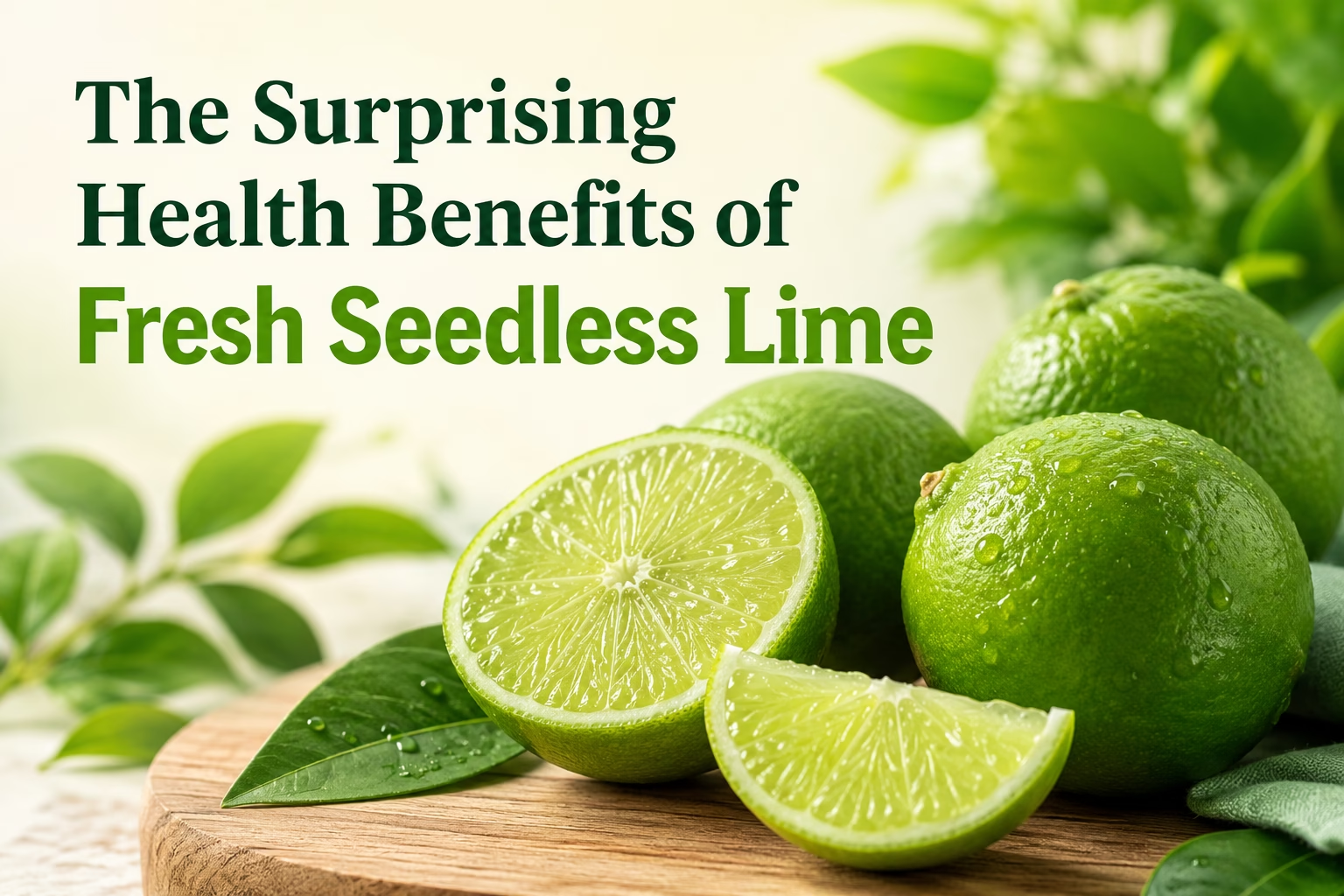
What makes Fresh Seedless Lime a fruit enjoyed by millions of people around the world every day? Beyond its refreshing citrus flavor that enhances a wide variety of foods and beverages, this seedless lime is also packed with naturally occurring nutrients that offer significant value to the human body.
So, what nutrients does Fresh Seedless Lime contain? What potential health benefits can it provide? And how can consumers maximize the value of this increasingly popular fruit in the global marketplace?
In this article, we will take a closer look at the nutritional profile of Fresh Seedless Lime, explore its potential health benefits, and discover practical ways to incorporate it into a healthy and balanced lifestyle.
1. What Is Fresh Seedless Lime? The Distinction That Defines Its Premium Quality
Fresh Seedless Lime (Citrus latifolia), commonly known as seedless lime, hybrid lime, or Persian lime, is a large-fruited lime variety characterized by its glossy green peel and, most notably, the absence of seeds. This lime variety is believed to have originated from a natural hybridization between Key lime and lemon or grapefruit. (1)
Why Is Fresh Seedless Lime Preferred Over Traditional Limes?
-
Exceptional Convenience: The greatest and most obvious advantage lies in its name itself—being seedless. This feature significantly saves time in food preparation and beverage making while completely eliminating the bitter taste caused by essential oils released from crushed seeds during juicing.
-
Larger Size and Higher Juice Yield: Fresh Seedless Lime is typically considerably larger than traditional limes. The fruit contains more juice, providing a higher juice yield and optimizing costs for both individual consumers and businesses in the F&B (Food and Beverage) industry.
-
Refined Flavor Profile: The acidity of seedless lime is generally smoother, more refreshing, and less sharp than that of traditional limes. It is complemented by a delicate and elegant citrus aroma, making it highly suitable for premium beverage recipes and international cuisine.
-
Superior Biological Durability: The peel of seedless lime is slightly thicker, allowing the fruit to be better protected during long-distance transportation and storage. This characteristic also extends its shelf life, making it a key agricultural export product for many countries.
2. Nutritional Composition Analysis of Fresh Seedless Lime
To understand why Fresh Seedless Lime offers numerous health benefits, it is important to examine its nutritional composition. Although relatively modest in size, this fruit serves as a remarkably powerful natural source of essential micronutrients.
Below is the standard nutritional profile found in 100 grams of Fresh Seedless Lime (equivalent to approximately 1.5 medium-sized fruits): (2)
| Nutritional Component | Amount (per 100g) | % Daily Value (DV)* | Primary Health Benefits |
|---|---|---|---|
| Energy (Calories) | 30 kcal | 1.5% | Provides light energy and supports weight-loss dietary plans. |
| Water | 88.3 g | N/A | Provides natural hydration, supports electrolyte balance, and helps maintain body temperature. |
| Vitamin C (Ascorbic Acid) | 29.1 mg | 48% | A powerful antioxidant that promotes collagen production and strengthens the immune system. |
| Total Carbohydrates | 10.5 g | 3.5% | Provides fuel for brain function and physical activities. |
| Dietary Fiber | 2.8 g | 11% | Improves bowel movement, helps regulate blood sugar levels, and supports digestive health. |
| Potassium | 102 mg | 2% | Helps regulate blood pressure and supports muscle contraction and nerve transmission. |
| Calcium | 33 mg | 3.3% | Strengthens bones and teeth and plays a role in the blood-clotting process. |
| Vitamin B6 | 0.043 mg | 2% | Supports protein metabolism and the function of the central nervous system. |
| Iron | 0.6 mg | 3% | Supports red blood cell production and helps prevent anemia. |
| Flavonoid Compounds | High Content | N/A | Help reduce inflammation, protect cells from oxidative stress, and contribute to cancer prevention. |
(Note: % Daily Value (DV) is based on a 2,000-calorie daily diet for a healthy adult. Actual values may vary slightly depending on growing conditions, soil characteristics, and harvest timing.)
As illustrated in the table above, the most outstanding characteristic of Fresh Seedless Lime is its exceptionally high Vitamin C content, combined with essential minerals and naturally occurring antioxidant compounds.
3. The Remarkable Health Benefits of Fresh Seedless Lime
When Fresh Seedless Lime is incorporated into your daily diet in a balanced and scientifically informed manner, the body can experience a range of positive effects. Below are some of the health benefits that have been supported by scientific research:
3.1. Naturally Strengthens the Immune System
The Vitamin C found in Fresh Seedless Lime is one of the most important nutrients for the human immune system. Unlike many animals, the human body cannot synthesize Vitamin C on its own, making dietary intake essential.
-
Mechanism of Action: Vitamin C stimulates the production of white blood cells, including lymphocytes and phagocytes, helping the body defend itself against disease-causing bacteria and viruses. (3)
-
Reduces Inflammation and Shortens Illness Duration: Research suggests that regular consumption of fresh lime may help reduce the severity and duration of common colds, sore throats, and respiratory tract infections. (4)
3.2. Supports Natural Digestive Function
Juice from Fresh Seedless Lime has long been used by many people as part of their daily nutritional routine. Although it is not a “miracle cure” for digestive health, some studies indicate that the natural compounds found in lime may support digestion when consumed appropriately.
-
Stimulates Digestive Secretions: The natural citric acid present in lime may promote gastric acid secretion, helping the body break down food more efficiently. A study published in 2022 reported that lemon juice may increase gastric secretory activity, thereby supporting food digestion. (5)
-
Helps Relieve Indigestion: Adequate hydration plays a critical role in digestive function. Diluted lime water may help increase daily fluid intake, thereby supporting bowel movement and reducing symptoms of constipation or bloating in some individuals. (6)
3.3. Supports Weight Management Efforts
Fresh Seedless Lime is frequently included in healthy eating plans due to its low calorie content and its potential role in helping control daily food intake.
-
Supports Metabolism: Although lime water does not directly burn body fat, maintaining proper hydration may support metabolic processes. Some studies have shown that drinking water can temporarily increase energy expenditure through thermogenesis. Since lime water is primarily water, it may provide similar benefits in supporting weight management. (7)
-
Promotes a Feeling of Fullness: Pectin is a soluble fiber naturally found in limes, primarily concentrated in the pulp and especially in the peel. When consumed, pectin absorbs water and may help create a longer-lasting feeling of fullness, thereby supporting appetite control. However, ordinary lime juice contains very little pectin because most of it remains in the peel and pulp rather than the juice itself. Using juice with pulp or incorporating the peel may increase pectin intake. (8)
3.4. Rejuvenates the Skin and Helps Combat Aging from Within
The condition of the skin often reflects overall internal health. Fresh Seedless Lime provides a natural and cost-effective approach to supporting skin wellness.
-
Stimulates Collagen Synthesis: Vitamin C plays an essential role in the body’s collagen production process. This nutrient acts as a cofactor for enzymes involved in the formation and stabilization of collagen structures, helping maintain skin firmness and elasticity.
-
Protects the Skin from Free Radical Damage: Fresh Seedless Lime contains Vitamin C and naturally occurring flavonoid compounds. These antioxidants help neutralize free radicals generated by UV radiation, environmental pollution, and other sources of oxidative stress, thereby contributing to the protection of skin cells from premature damage. (9)
3.5. Helps Prevent Kidney Stone Formation
Kidney stones typically develop when mineral concentrations, such as calcium oxalate, become excessively high in the urine and crystallize into hard deposits.
-
The Role of Citric Acid: Fresh Seedless Lime is naturally rich in citric acid. Research indicates that citrate from citrus fruits such as lemons and limes may increase urinary citrate levels. Citrate binds to calcium in the urine, helping reduce calcium oxalate crystal formation and creating a less favorable environment for the development of certain types of kidney stones.
-
Mechanism for Reducing Stone Formation: Citric acid can also bind with excess calcium in the urine, preventing it from combining with oxalate. This may help reduce the risk of new kidney stone formation and support the natural elimination of small mineral deposits. (10)
3.6. Supports Cardiovascular Health and Blood Pressure Regulation
Cardiovascular diseases remain one of the leading threats to human health. Incorporating lime into the diet may contribute to protecting the cardiovascular system.
-
Helps Regulate Blood Pressure: The potassium found in Fresh Seedless Lime plays an important role in balancing sodium levels within the body. As a result, it helps promote blood vessel relaxation, reduce pressure on vessel walls, and support healthy blood pressure levels. (11)
-
Supports Healthy Cholesterol Levels: Natural plant compounds such as hesperidin and limonoids, including limonin, found in citrus fruits have been studied for their potential to improve blood lipid profiles, reduce LDL cholesterol oxidation, and contribute to cardiovascular health. (12)
3.7. Enhances Iron Absorption
Iron-deficiency anemia is a common condition, particularly among women and individuals following vegetarian diets. While lime itself does not contain large amounts of iron, it serves as an excellent nutritional catalyst.
-
The Vitamin C Advantage: When consuming plant-based iron sources (non-heme iron), such as spinach, legumes, and seeds, the body often absorbs the iron less efficiently. However, combining these foods with the abundant Vitamin C found in Fresh Seedless Lime can help convert non-heme iron into a form that is more readily absorbed by the body, increasing absorption efficiency by up to 70%. (13)
4. How to Select and Store Fresh Seedless Lime Properly
To maximize the benefits of seedless limes, selecting high-quality fruit is essential. For commercial operators, proper storage practices help maintain product quality and minimize losses.
Tips for Choosing Fresh and High-Quality Seedless Limes
-
Examine the Peel: Choose fruits with thin skin, a smooth and glossy surface, and a vibrant dark green color. The rougher and thicker the peel, the less juice the fruit typically contains.
-
Assess the Weight: Hold the lime in your hand. A fruit that feels heavy relative to its size is usually exceptionally juicy.
-
Check the Aroma: High-quality fresh limes emit a light, natural citrus fragrance from the stem end even before being cut. Avoid fruits that feel soft, have brown spots, or show yellow discoloration, as these are signs of aging or dehydration.
Scientific Storage Methods for Seedless Limes
-
Short-Term Storage (Less Than 1 Week): Limes can be kept at room temperature in a well-ventilated basket away from direct sunlight, which may cause essential oils to evaporate and the fruit to dry out.
-
Long-Term Storage (2 to 4 Weeks): Wash the limes thoroughly and allow them to dry completely. Place them in a perforated zip-lock bag or an airtight container and store them in the refrigerator’s crisper drawer (ideal temperature: 4–8°C). This helps slow the ripening process and preserve moisture.
-
For Cut Limes: Place the cut side face down on a small plate and cover tightly with plastic wrap to minimize air exposure, which can accelerate oxidation and Vitamin C loss.
5. Effective Applications of Fresh Seedless Lime in Daily Life
The versatility of Fresh Seedless Lime is undeniable. Below are some expert-recommended ways to incorporate it into everyday life.
Preparing Detox Beverages
-
Morning Detox Drink Recipe: 1 glass of warm water (approximately 250 ml) + juice from 1/2 Fresh Seedless Lime + 1 teaspoon of pure honey. Consume 30 minutes before breakfast to help cleanse the digestive tract, stimulate digestive activity, and provide energy.
-
Infused Water: Combine slices of seedless lime, fresh mint leaves, and a few cucumber slices in drinking water and refrigerate overnight. This refreshing beverage serves as an excellent alternative to plain water, helping maintain hydration throughout the day.
A Sophisticated Ingredient in Professional Cuisine
-
Sauces and Seasonings: The balanced acidity of seedless lime enhances flavor profiles in salads and seafood dipping sauces. The natural acids also help tenderize protein fibers in meat and fish when used as a marinade while effectively reducing undesirable odors.
-
Using Lime Zest: Do not discard the peel. Finely grate the green outer layer of the peel (avoiding the bitter white pith) and add it to cakes, desserts, ice cream, or grilled fish dishes. The essential oils in the zest provide an intense citrus aroma that elevates dishes to restaurant-quality standards.
Natural DIY Beauty Care
-
Brightening Face Mask: Mix 1 tablespoon of Fresh Seedless Lime juice with 2 tablespoons of unsweetened yogurt and a small amount of honey. Apply to the face (avoiding the eye area), leave on for 10–15 minutes, and rinse thoroughly. This mixture may help gently exfoliate the skin and reduce the appearance of dark spots. (Note: Always apply sunscreen after using lime-based treatments on the skin.)
6. Important Considerations When Using Seedless Lime
Although Fresh Seedless Lime offers numerous health benefits, it also contains a high level of natural acids. Therefore, it should be consumed responsibly to avoid potential side effects.
-
Risk of Tooth Enamel Erosion: Excessive consumption of concentrated lime juice may gradually erode tooth enamel, leading to tooth sensitivity and discoloration.
-
Recommendation: Always dilute lime juice with water and consider using a straw to reduce direct contact between the acidic liquid and your teeth.
-
Digestive Conditions (GERD and Gastric Ulcers): For individuals suffering from gastroesophageal reflux disease (GERD) or severe gastric ulcers, the acidity of lime may irritate the digestive lining, potentially causing heartburn and discomfort.
-
Recommendation: These individuals should consult a healthcare professional before incorporating lime into their daily diet.
-
Phytophotodermatitis: Phytophotodermatitis is a skin reaction that may occur when lime juice or citrus essential oils remain on the skin and are immediately exposed to intense sunlight, resulting in irritation or burn-like symptoms.
- Recommendation: Wash your hands thoroughly with soap after handling or squeezing limes to help protect your skin.
7. Frequently Asked Questions (FAQ)
Q1: Is drinking Fresh Seedless Lime juice better than drinking juice from seeded limes (Key limes)?
A: From a nutritional perspective, both varieties provide similar amounts of Vitamin C and essential minerals. However, seedless limes offer significant advantages in convenience, higher juice yield, and a smoother flavor profile without the bitterness that can result from crushed seeds.
Q2: How many limes should be consumed per day?
A: Nutrition experts generally recommend that a healthy adult consume the equivalent of 1–2 Fresh Seedless Limes per day in diluted form. This amount is typically sufficient to support Vitamin C intake while avoiding excessive acid consumption.
Q3: For businesses, what standards should be considered when importing Fresh Seedless Lime?
A: In international trade, Fresh Seedless Lime should comply with certifications such as GlobalGAP and VietGAP, as well as stringent phytosanitary requirements to ensure the absence of excessive pesticide residues. Furthermore, the cold-chain process from harvest through delivery should be maintained consistently at temperatures between 5–7°C to preserve optimal freshness and quality.
Conclusion
Fresh Seedless Lime is far more than a simple culinary ingredient that enhances the flavor of meals. It is truly a natural “superfood” offering a remarkable range of health benefits. From strengthening the immune system and supporting digestive health to assisting with weight management, protecting cardiovascular health, and promoting healthy skin, this fruit deserves a permanent place in every kitchen.
At the same time, for businesses operating within the agricultural, food, and beverage sectors, sourcing and supplying premium-quality Fresh Seedless Lime that meets international standards not only satisfies the growing consumer demand for healthier lifestyles but also creates valuable and sustainable business opportunities. Start incorporating the exceptional benefits of this seedless citrus fruit into your daily nutrition and experience its positive, revitalizing effects firsthand.
 Blog & News