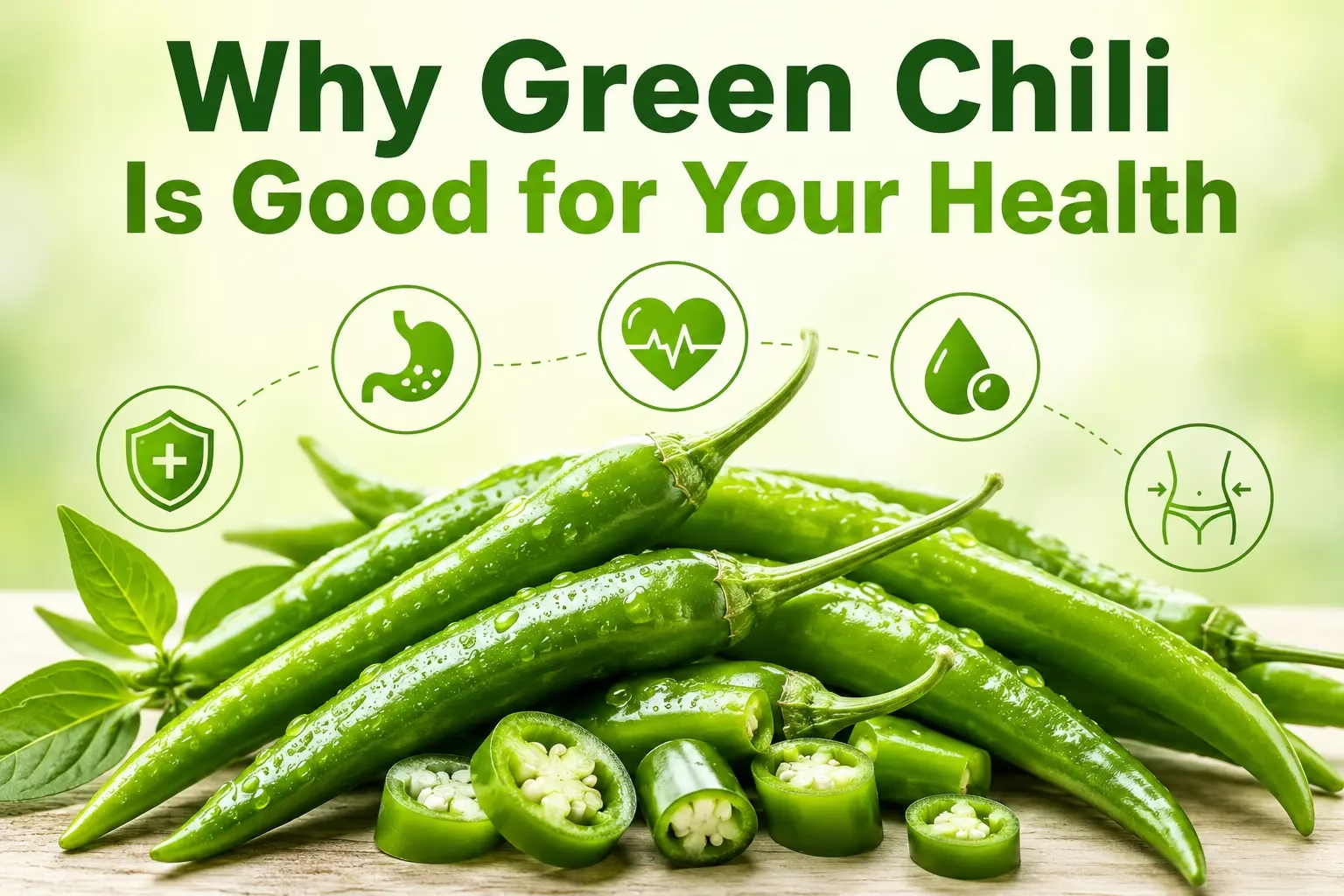
Are you someone who loves bold, spicy flavors? Do you often add a little chili to your meals to enhance the taste, yet worry that spicy foods might affect your stomach or overall health? If you are looking to learn whether Green Chili Is Good for Your Health, then this article is the most comprehensive guide for you.
More than just a seasoning that makes dishes more appealing, Green Chili is actually a nutrient-dense food packed with remarkable nutritional value and impressive health benefits. Let’s explore why nutrition experts recommend adding this vibrant ingredient to your daily diet.
1. What Is Green Chili? More Than Just a Spice
Green Chili is the fruit of plants belonging to the Capsicum genus, harvested while still green before ripening to red or yellow. Its spiciness depends on the concentration of capsaicin, a naturally occurring chemical compound that produces a burning sensation when it comes into contact with body tissues.
In culinary traditions around the world from India and Mexico to Vietnam Green Chili is a common ingredient found in everything from everyday home-cooked meals to premium dishes. However, from a nutritional and scientific perspective, Green Chili is a rich source of essential vitamins, minerals, and powerful antioxidants. Understanding why Green Chili is good for your health can completely transform your eating habits, turning flavorful meals into natural ways to support and protect your body.
2. Outstanding Nutritional Profile of Green Chili
Before exploring its health benefits in detail, it is important to look at the actual nutritional values. What makes such a small chili pepper capable of delivering so many health-supporting properties?
Below is an estimated nutritional breakdown of 100 grams of fresh Green Chili: (1)
| Nutrient | Amount (Approx.) | Key Health Benefits |
|---|---|---|
| Calories | 40 kcal | Extremely low in calories, making it ideal for weight-management diets. |
| Water | 87.7 g | Helps maintain hydration and supports healthy-looking skin. |
| Vitamin C | 242 mg (269% DV) | A powerful antioxidant that supports collagen production and strengthens the immune system. |
| Vitamin A | 59 mcg | Supports vision health and helps protect the retina from oxidative damage. |
| Vitamin B6 | 0.278 mg | Aids energy metabolism and supports normal brain function. |
| Potassium | 340 mg | Helps maintain electrolyte balance and supports healthy blood pressure regulation. |
| Dietary Fiber | 1.5 g | Promotes healthy digestion and helps prevent constipation. |
| Capsaicin | Varies by variety | Provides anti-inflammatory effects, pain-relieving properties, and supports thermogenesis for calorie burning. |
(Note: % DV refers to the Daily Value based on a 2,000-calorie diet. Nutrient levels may vary slightly depending on the chili variety and growing conditions.)
As you can see, Green Chili contains significantly higher levels of Vitamin C than many citrus fruits. The combination of Vitamin C, Vitamin A, and capsaicin is the “golden key” behind the wide range of health benefits associated with this remarkable ingredient.
3. Top 7 Reasons Why Green Chili Is Good for Your Health
Below are the medical and nutritional insights that explain why Green Chili deserves a place in a healthy lifestyle. These scientifically supported benefits reveal why this vibrant ingredient is considered much more than just a source of heat and flavor.
3.1. Supports a Stronger Immune System Through Its Exceptional Vitamin C Content
One of the most important reasons why Green Chili is good for your health lies in its remarkably high concentration of Vitamin C.
-
Mechanism of Action: Vitamin C stimulates the production of white blood cells, particularly lymphocytes and phagocytes, helping the body defend itself against infections. (2)
-
Comprehensive Protection: During seasonal transitions, incorporating Green Chili into your diet can help increase your intake of Vitamin C and natural antioxidants. Vitamin C contributes to protecting cells from oxidative stress, supports normal immune function, and plays a vital role in collagen synthesis an essential process for maintaining healthy skin and supporting wound healing. (3)
3.2. Supports Fat Burning and Weight Management
Are you looking for a natural way to support your weight-loss journey? Green Chili may be the answer.
-
Thermogenesis: Capsaicin, the active compound found in Green Chili, has the ability to stimulate thermogenesis within the body. This means your body generates more heat, which can lead to increased calorie expenditure even while at rest. Although the effect is relatively modest, it may contribute to overall weight-management efforts when combined with a balanced diet and healthy lifestyle. (4)
-
No Empty Calories: Green Chili contains very few calories and only negligible amounts of fat. Furthermore, spicy foods often encourage greater water intake and tend to slow down the eating process, giving the brain more time to recognize feelings of fullness. This may help reduce overeating and support better portion control. (6)
-
Lipolysis (Fat Breakdown): Capsaicin in Green Chili has been shown to help reduce fat accumulation by inhibiting adipogenesis, the process through which new fat cells are formed, while also promoting lipolysis, the breakdown of stored fat. These mechanisms may contribute to weight management and help limit excess fat accumulation in the body. (7)
3.3. May Support Cardiovascular Health and Help Reduce Stroke Risk
Many people believe that eating spicy foods can raise blood pressure. However, scientific evidence suggests that, when consumed in appropriate amounts, the opposite may be true.
-
Supports Healthy Cholesterol Levels: Capsaicin in Green Chili has been studied for its potential role in improving blood lipid profiles. Several meta-analyses suggest that capsaicin may help reduce total cholesterol, LDL cholesterol, and, in some cases, triglyceride levels, thereby supporting cardiovascular health. (8)
-
Natural compounds found in green chili have been studied for their potential to support blood circulation and cardiovascular health through antioxidant and anti-inflammatory mechanisms. (9)
- Supports Heart Rhythm Stability: Green chili provides potassium, an essential mineral that helps maintain electrolyte balance and supports blood pressure regulation. Potassium contributes to reducing the effects of sodium in the body while promoting the relaxation of blood vessel walls, thereby helping to maintain a healthy cardiovascular system. (10)
3.4. May Help Protect Against Gastric Ulcers
There is a common misconception that chili peppers cause gastric ulcers. So, what is the truth?
- May Help Protect Against Gastric Ulcers: Capsaicin in green chili does not “burn” the stomach as many people mistakenly believe. Studies suggest that this compound may activate the stomach’s natural protective mechanisms, including increasing blood flow to the gastric mucosa and stimulating the secretion of protective mucus. Consequently, capsaicin has been studied for its potential to help maintain the health of the gastric mucosa and support overall digestive health. (11)
3.5. May Help Support Blood Sugar Control (Beneficial for People with Diabetes)
For individuals living with diabetes or those at high risk of developing the condition, green chili can be an excellent addition to a healthy diet.
- Supports Insulin Balance: Capsaicin in green chili has been studied for its potential to help regulate postprandial blood glucose levels. Some research suggests that chili consumption may help reduce excessive insulin responses and improve glucose metabolism following meals. However, further large-scale clinical studies are needed to fully confirm these effects across different populations. (12)
3.6. Eye Health and Clear Vision
Forget the idea that carrots are the only food that supports good vision green chili can offer similar benefits as well.
-
Rich in Beta-Carotene: Despite its green color, green chili contains beta-carotene, a compound that the body can convert into vitamin A. Vitamin A plays an essential role in maintaining normal vision, supporting retinal function, and enabling vision in low-light conditions. Including beta-carotene-rich foods such as green chili in the diet may also help support eye health and protect cells from oxidative stress. (13)
3.7. Pain Relief and Mood Enhancement (Endorphin Release)
Have you ever wondered why eating spicy food can create a pleasurable sensation and sometimes even become addictive?
-
Pain-Relieving Mechanism: Capsaicin in green chili activates TRPV1 receptors on sensory nerves, producing its characteristic burning sensation. This stimulation may influence neural pathways involved in pain perception and pleasure while also contributing to the release of neurotransmitters associated with positive feelings. This is one of the reasons why many people experience a sense of excitement or enjoyment when consuming spicy foods. (14)
- Modulates Pain Signaling: Capsaicin in green chili has the ability to reduce the activity of Substance P, a neurotransmitter involved in transmitting pain signals. Through this mechanism, capsaicin has been incorporated into various topical creams and pain-relief patches to help alleviate muscle pain, joint pain, and certain types of neuropathic pain. (15)
4. Green Chili vs. Red Chili: What Are the Differences?
When exploring why green chili is good for your health, many people ask: Is it actually better than red chili?
-
Fundamentally: Red chili is simply green chili that has reached full maturity. As the fruit ripens, its nutritional composition changes.
-
Water Content and Calories: Green chili contains a higher water content and is virtually calorie-free. Dried red chili, on the other hand, is more concentrated and typically contains a higher calorie content.
-
Vitamin C vs. Vitamin A: Green chili has a significant advantage in terms of vitamin C content, whereas red chili is richer in beta-carotene (a precursor to vitamin A) and flavonoid antioxidants due to the development of red pigments during the ripening process.
-
Anti-Inflammatory Properties: Fresh green chili generally retains its natural antimicrobial properties, making it particularly beneficial for supporting gut and skin health.
Conclusion: Both green chili and red chili offer valuable health benefits. However, it is important to consume them in moderation and avoid excessive intake. When used appropriately and in suitable amounts, they can be a beneficial addition to a healthy diet.
5. A Science-Based Guide to Incorporating Green Chili into Your Daily Diet
Understanding the benefits of green chili is one thing, but knowing how to use it properly to maximize its nutritional value is another. Below are some practical culinary suggestions to help you make the most of this versatile ingredient.
-
Use Fresh as a Condiment: The best way to preserve the full amount of vitamin C which is sensitive to heat is to consume green chili raw. Thinly slice it and add it to dipping sauces, pho, noodle dishes, or salads.
-
Prepare Green Salsa (Salsa Verde): Blend green chili with tomatillos, cilantro, garlic, and onion to create a healthy, low-calorie sauce that pairs well with grilled chicken breast or tortillas.
-
Pickle It in a Sweet-and-Sour Brine: Pickling green chili with garlic and vinegar not only helps mellow its spiciness but, when naturally fermented, may also promote the growth of beneficial probiotics that support gut microbiota health.
-
Use It in Stews and Curries: Although heat can reduce the vitamin C content, cooking may facilitate the release of capsaicin into the broth, potentially enhancing its bioavailability and allowing you to benefit from its pain-relieving and anti-inflammatory properties.
6. Important Considerations (Potential Side Effects) When Consuming Green Chili
Although this article explains in detail why green chili is good for your health, as providers of professional and evidence-based information, we must emphasize that moderation is essential. Excessive consumption of anything can be harmful.
-
Irritable Bowel Syndrome (IBS): Individuals with highly sensitive digestive systems or those diagnosed with IBS should limit their intake of green chili, as it may trigger stomach cramps or diarrhea.
-
Gastroesophageal Reflux Disease (GERD): The spicy nature of green chili may relax the lower esophageal sphincter, allowing stomach acid to flow back into the esophagus and potentially causing uncomfortable heartburn.
-
Risk of Skin and Eye Irritation: When handling green chili, it is advisable to wear gloves. Capsaicin can remain on the skin and cause a burning sensation. Avoid touching your eyes or other sensitive areas after handling chili peppers.
-
Recommended Intake: For a healthy adult, consuming one to two small green chilies per day is generally considered a safe and reasonable amount to enjoy their potential health benefits without placing excessive strain on the digestive system.
7. Frequently Asked Questions (FAQs) About the Benefits of Green Chili
To provide greater clarity on the topic of “Why Green Chili Is Good for Your Health,” we have compiled some of the most frequently asked questions from readers.
Q1: Is it good to eat green chili every day?
Yes, provided it is consumed in moderation (1–2 small chilies per day). Regular intake can supply vitamin C and antioxidants that help support immune function and metabolic processes. However, it is important to pay attention to your body’s response. If you experience digestive discomfort or intestinal irritation, consider reducing your intake.
Q2: Will eating green chili damage my sense of taste?
Không. Capsaicin chỉ tác động lên các thụ thể cảm nhận nhiệt và đau (TRPV1) chứ không phá hủy các gai vị giác trên lưỡi. Thậm chí, một số nghiên cứu còn cho thấy ăn cay điều độ giúp bạn nhạy bén hơn với các hương vị khác.
Q3: Can pregnant women eat green chili?
Pregnant women can consume green chili as part of a balanced diet to help support immune health and increase vitamin C intake. However, since pregnancy is often associated with heartburn and indigestion, it is advisable to consume it in small amounts to avoid worsening these symptoms.
Q4: How can I reduce the spiciness of green chili if I am sensitive to heat?
The hottest parts of a chili are not the skin but the seeds and the white inner membrane (placenta) that holds them. By carefully removing the seeds and white membrane, you can still enjoy the chili’s vitamins and flavor while reducing its spiciness by up to 80%.
8. Conclusion
In summary, if someone asks you, “Why Is Green Chili Good for Your Health?” you can confidently say that green chili is not only an essential ingredient that enhances the flavor of many dishes but also a remarkable source of naturally beneficial compounds. From providing abundant vitamin C and supporting weight management through capsaicin to promoting cardiovascular health and helping maintain healthy skin, green chili deserves a place in your family’s daily diet.
Start building this healthy habit by adding a few slices of fresh green chili to your next meal. Listen to your body, consume it in appropriate amounts, and let nature play its part in supporting your overall health and well-being.
 Blog & News