As the global Food & Beverage (F&B) industry increasingly shifts toward natural, experience-driven, and value-added products, tropical fruits with vibrant colors and distinctive flavors are attracting growing attention. Among them, Pink Guava is emerging as a highly promising ingredient thanks to its naturally sweet taste, visually appealing pink flesh, and wide-ranging application potential.
This article provides a comprehensive exploration of the topic Pink Guava: Tropical Sweetness with a Naturally Vibrant Appeal from its nutritional value and key advantages to its expanding opportunities in the food processing, beverage, and cosmetics industries.
1. What Is Pink Guava? Discover the Appeal of This Vibrantly Colored Tropical Fruit
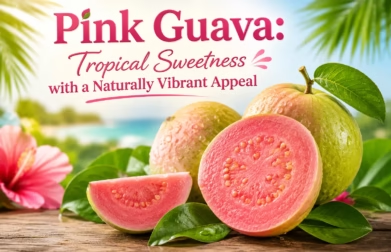
Pink Guava (Psidium guajava), also known as red-fleshed guava or pink-fleshed guava, is a tropical fruit belonging to the Myrtaceae family. It originated in the tropical regions of the Americas, particularly Mexico, Central America, and South America. Today, this guava variety is widely cultivated across many tropical and subtropical countries around the world, including Vietnam, India, Brazil, and several Southeast Asian nations. (1)
1.1. Biological Characteristics and Identification
Unlike conventional white-fleshed guava varieties, Pink Guava features a thin outer skin that turns light green or lemon yellow when ripe. However, the fruit’s true commercial value and distinguishing characteristic lie in its vibrant inner flesh. The flesh color ranges from soft pink and coral pink to deep reddish hues.
This naturally striking coloration is primarily attributed to the presence of Lycopene, a powerful plant pigment and antioxidant known for its health-promoting properties.
1.2. Distinctive Flavor Profile (Tropical Sweetness)
Often described as “Tropical Sweetness,” Pink Guava delivers a rich and captivating sensory experience. While white guava varieties are typically known for their crisp texture and mild sweetness, Pink Guava stands out with its smooth, juicy flesh and intensely aromatic character.
Its flavor profile is a harmonious blend of natural tropical sweetness from fully ripened fruit, balanced by a subtle hint of acidity that enhances freshness on the palate. This unique taste is further complemented by delicate aromatic notes reminiscent of strawberry, cantaloupe, and rose.
Thanks to this distinctive and multi-layered flavor profile, Pink Guava has become a highly valued ingredient among global R&D (Research & Development) specialists in the food and beverage industry.
2. Nutritional Profile of Pink Guava: A Detailed Analysis
To understand why Pink Guava is often classified as a “superfruit,” it is essential to examine its nutritional composition. Pink Guava is considered one of the most nutrient-dense tropical fruits, offering low calorie content while being exceptionally rich in vitamins, minerals, and beneficial bioactive compounds.
Below is a detailed nutritional breakdown found in 100 grams of fresh Pink Guava flesh: (2)
| Nutritional Component | Amount (per 100g) | % Daily Value (DV) | Key Functions in the Body |
|---|---|---|---|
| Energy (Calories) | 68 kcal | N/A | Provides light energy, suitable for balanced and low-calorie diets. |
| Water | 80.8 g | N/A | Helps maintain hydration and supports skin and cellular moisture balance. |
| Carbohydrates | 14.3 g | 5% | Provides immediate energy for daily activities. |
| Dietary Fiber | 5.4 g | 19% | Supports digestion, helps regulate blood sugar levels, and promotes satiety. |
| Protein | 2.55 g | 5% | Contributes to muscle tissue formation and repair. |
| Fat (Lipids) | 0.95 g | 1% | Extremely low fat content, beneficial for cardiovascular health. |
| Vitamin C (Ascorbic Acid) | 228.3 mg | 254% | A powerful antioxidant that supports collagen production and strengthens the immune system. |
| Vitamin A | 624 IU | 12% | Helps protect vision and supports immune function and skin health. |
| Potassium | 417 mg | 9% | Maintains electrolyte balance, stabilizes blood pressure, and supports heart function. |
| Folate (Vitamin B9) | 49 µg | 12% | Essential for cell growth and development, especially important during pregnancy. |
| Lycopene | 5204 µg | N/A | A potent antioxidant associated with anti-aging and cancer-preventive benefits. |
3. The Remarkable Health and Beauty Benefits of Pink Guava
The appeal of Pink Guava extends far beyond its naturally vibrant appearance and tropical sweetness. Its true value also lies in the scientifically recognized health and beauty benefits that make this tropical fruit increasingly popular among health-conscious consumers worldwide.
3.1. Strengthening the Immune System with the “King of Vitamin C”
Many people assume that oranges and lemons are the richest sources of Vitamin C. However, scientific data shows that 100 grams of Pink Guava contains up to four times more Vitamin C than an orange of the same weight. (3)
-
Mechanism of Action: Vitamin C plays a vital role in stimulating the production of white blood cells, helping the body build a stronger defense system against pathogens, bacteria, and viruses responsible for common infections and seasonal illnesses. (4)
-
Commercial Value: As consumer demand for natural wellness products continues to grow, many functional food and nutritional beverage brands are increasingly incorporating Pink Guava extract into “Immunity Boost” product lines positioned around natural immune support.
3.2. Exceptional Antioxidant Power from Lycopene
The attractive pink-red color of Pink Guava comes from Lycopene, a naturally occurring carotenoid pigment. Studies have shown that Pink Guava contains significantly higher Lycopene levels than tomatoes when compared at the same weight.
-
Health Benefits: Lycopene is widely recognized for its powerful antioxidant properties, helping neutralize free radicals and protect cells from oxidative stress. Research suggests that regular consumption of Lycopene-rich foods may contribute to a reduced risk of cardiovascular diseases and certain types of cancer, particularly prostate and breast cancer. (5) (6)
-
Skin Protection: In the skincare and dermatology industry, Lycopene is often regarded as a form of “natural internal sun protection.” It helps defend the skin against UV-induced damage while also slowing down the biological aging process, supporting healthier and more youthful-looking skin. (7)
3.3. Supporting Digestive Health and Healthy Weight Management
With an impressive dietary fiber content of 5.4g per 100g, Pink Guava serves as an excellent natural support for digestive health.
-
Digestive Support: Its high fiber content helps stimulate bowel movements, effectively reducing the risk of constipation while promoting a cleaner and healthier digestive tract. (8)
-
Blood Sugar Regulation: Pink Guava has a relatively low glycemic index (GI). The dietary fiber slows down sugar absorption into the bloodstream, making it a more diabetes-friendly fruit option when consumed as part of a balanced diet. (9)
-
Weight Management: Despite its naturally sweet tropical flavor, Pink Guava is low in calories and contains no cholesterol. The prolonged feeling of fullness provided by its fiber content can help consumers better manage portion control in weight-loss and fitness-focused diets. (10)
3.4. Supporting Blood Pressure Balance and Cardiovascular Health
The combination of high potassium content (417 mg) and naturally low sodium levels in Pink Guava creates an ideal nutritional balance for maintaining healthy blood pressure.
Potassium helps relax blood vessels and reduce pressure on arterial walls, thereby supporting overall cardiovascular function. Regular consumption of potassium-rich foods such as Pink Guava may also contribute to lowering the risk of serious cardiovascular complications, including stroke and heart attack. (11)
4. Commercial Applications: Pink Guava Across Global Industries
Thanks to its exceptional versatility, Pink Guava is not only consumed as a fresh fruit but has also become a highly valuable raw material that generates significant economic potential across multiple industries worldwide.
4.1. The Rise of Pink Guava in the Food & Beverage (F&B) Industry
The F&B industry is where Pink Guava has experienced its most remarkable growth. Its visually appealing “Instagrammable” color and distinctive tropical flavor have made it a standout ingredient across modern beverage and dessert menus worldwide.
-
Juices & Nutritional Smoothies: Pure Pink Guava Juice, as well as blended combinations with apple, strawberry, or passion fruit, has become increasingly popular in supermarkets and health-focused beverage chains. Pink Guava Puree is also widely used by café franchises and smoothie brands in frozen blended drinks and premium smoothie products.
-
Alcoholic Beverages: In the craft beer and cocktail industry, Pink Guava introduces a refreshing tropical profile that balances natural fruit sweetness with alcoholic complexity. Products such as Pink Guava Sour Beer and Pink Guava Margarita have gained strong popularity in premium bars and modern beverage concepts.
-
Kombucha & Fruit Tea Applications: The combination of black tea or oolong tea with Pink Guava syrup or puree creates visually vibrant and refreshing beverages that also align with growing consumer interest in gut health and functional drinks. This trend has become particularly appealing to Gen Z and Millennial consumers seeking both aesthetic and wellness-oriented beverage experiences.
4.2. Processed Foods and Confectionery Applications
Thanks to its excellent ability to retain both color and flavor under high-temperature processing, Pink Guava has become a widely used ingredient in the processed food and confectionery industries.
-
Jam & Jelly Production: With its naturally high pectin content, Pink Guava allows manufacturers to create rich, smooth-textured jams and jellies without excessive reliance on industrial additives or artificial stabilizers.
-
Desserts & Confectionery: Pink Guava is increasingly featured in premium desserts such as mousse cakes, panna cotta, macarons, and gelato. Its naturally romantic pink hue enhances visual appeal while supporting the growing “Clean Label” trend by reducing the need for artificial food coloring.
4.3. Innovative Applications in the Cosmetics and Personal Care Industry
Pink Guava’s potential extends far beyond food and beverages. The cosmetics and personal care industry is increasingly utilizing its rich biological properties and naturally beneficial compounds.
-
Pink Guava Extract in Skincare: Pink Guava extract is widely incorporated into brightening serums and anti-aging skincare formulations due to its exceptionally high Vitamin C content. It helps suppress melanin production, reduce the appearance of dark spots and hyperpigmentation, and stimulate collagen synthesis for firmer, more radiant skin.
-
Body Care and Fragrance Products: The sweet and exotic tropical aroma of Pink Guava has also become highly attractive to perfumers and personal care brands. It is commonly used in body washes, body lotions, and body mists to deliver a refreshing, uplifting, and relaxing aromatherapy-inspired experience.
5. Expert Guide to Selecting, Evaluating, and Storing Pink Guava
5.1. For Individual Consumers (Fresh Fruit Selection)
To fully enjoy the “Tropical Sweetness” of Pink Guava, consider the following expert tips when selecting fresh fruit:
-
Skin Color: Choose fruits with light green skin gradually turning lemon yellow. Avoid dark green guavas, as they are usually underripe and may taste overly astringent, as well as overly yellow or bruised fruits, which may be overripe.
-
Texture and Firmness: Gently press the fruit with your hand. A ripe Pink Guava should yield slightly under pressure while maintaining good elasticity. This indicates that the inner flesh has reached its ideal pink color and optimal sweetness.
-
Aroma: Naturally ripened Pink Guava releases a distinct sweet tropical fragrance, especially around the stem area. If the fruit has little to no aroma, it has likely not reached peak ripeness.
5.2. For F&B Businesses (Industrial Raw Material Sourcing)
When selecting Pink Guava puree or concentrate suppliers, R&D and purchasing departments should carefully evaluate several key technical specifications:
-
Brix Level & Acidity: Ensure consistency in sweetness (Brix) and acidity across production batches to maintain stable flavor profiles and prevent deviations in the final product formulation.
-
Seed Residue Ratio: Although puree products are filtered, some lower-quality suppliers may still leave behind fine guava seed particles (grit). This can negatively affect the consumer’s mouthfeel experience in beverages, smoothies, and desserts. Businesses should request clear Mesh Size specifications for the filtration system used during processing.
-
Food Safety Certifications: Suppliers should possess internationally recognized certifications such as HACCP, ISO 22000, FSSC, Kosher, and Halal to ensure food safety, quality assurance, and compliance with global export standards.
6. Frequently Asked Questions (FAQ) About Pink Guava
Q1: What is the difference between Pink Guava and White Guava?
Answer:
The biggest differences lie in their nutritional composition and flavor profile. Pink Guava contains significantly higher levels of Lycopene — the antioxidant responsible for its pink-red coloration. It also has a softer texture, juicier flesh, and a more aromatic tropical fragrance.
White Guava, on the other hand, is generally crispier with a lighter sweetness and may contain slightly more Vitamin C than Pink Guava. However, it does not contain Lycopene.
Q2: Is it healthy to eat Pink Guava seeds?
Answer:
Guava seeds contain dietary fiber that can support healthy digestion and bowel movement. However, Pink Guava seeds are relatively hard, so it is recommended to chew them thoroughly before swallowing to aid digestion.
For individuals with sensitive stomachs or digestive issues, it may be better to remove the seeds, consume the fruit as juice, or use seedless puree products.
Q3: Is Pink Guava suitable for pregnant women?
Answer:
Yes, Pink Guava can be highly beneficial during pregnancy. It provides a rich source of Folate (Vitamin B9), an essential nutrient that supports fetal development and helps reduce the risk of neural tube defects.
Additionally, its high Vitamin C content helps strengthen the immune system and supports overall maternal health throughout pregnancy.
Q4: Why is Pink Guava popular in the cosmetics industry?
Answer:
Pink Guava is widely favored in the beauty industry because it aligns perfectly with the growing demand for natural and vegan-friendly skincare ingredients.
Its combination of Vitamins A and C together with Lycopene creates a powerful antioxidant complex that helps protect skin structure, reduce inflammation associated with acne, combat oxidative stress, and support skin regeneration and collagen production.
Conclusion: Unlocking Market Opportunities with Pink Guava
Pink Guava: Tropical Sweetness with a Naturally Vibrant Appeal is far more than just a beautiful description of a tropical fruit. It represents a remarkable natural ingredient that combines explosive tropical flavor, visually captivating color, and an exceptionally valuable nutritional profile.
From fresh juices that support everyday wellness to innovative New Product Development (NPD) strategies led by multinational F&B corporations, Pink Guava has continuously demonstrated its authentic value and limitless commercial potential.
As global consumers increasingly prioritize natural, functional, and visually appealing products, understanding and leveraging the growing Pink Guava trend can create meaningful health benefits for consumers while simultaneously opening highly profitable business opportunities across the food, beverage, and personal care industries.
 Blog & News