
Dragon fruit is one of the most easily recognizable tropical fruits in the world thanks to its unique shape and vibrant colors. In international markets, this fruit is commonly known as Dragon Fruit or Pitaya. Beyond its striking appearance featuring a bright outer skin and distinctive green “scales” dragon fruit is also highly valued for its rich content of vitamins, antioxidants, and dietary fiber, which provide numerous health benefits.
With the continued growth of global agriculture and food trade, dragon fruit has become increasingly present in international food supply chains. From supermarket fruit sections to restaurants, juice bars, and the food processing industry, this fruit is widely used as an ingredient valued for both its nutritional benefits and visual appeal.
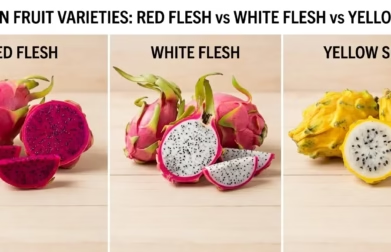
However, not all dragon fruits are the same. In fact, the global market is mainly dominated by three common varieties: white-fleshed dragon fruit, red-fleshed dragon fruit, and yellow dragon fruit. Each variety possesses its own distinct characteristics in terms of color, flavor, sweetness, nutritional profile, as well as culinary and commercial applications.
In the following section, we will explore these popular varieties in greater detail to better understand the differences between White Flesh Dragon Fruit, Red Flesh Dragon Fruit, and Yellow Dragon Fruit.
1. Overview of Dragon Fruit (Pitaya)
Dragon fruit is a plant species native to Mexico, Central America, and South America. Today, this cactus species belonging to the Cactaceae family has been widely cultivated and hybridized across many tropical and subtropical regions around the world. Among these countries, Vietnam proudly stands as one of the world’s leading exporters of dragon fruit. (1)
From a botanical perspective, dragon fruit develops from large cactus flowers that bloom at night, often referred to as the “Queen of the Night.” Beyond their striking beauty, dragon fruits are known for being low in calories while rich in vitamin C, antioxidants, dietary fiber, and essential minerals.
In the commercial market, dragon fruit is generally classified into three main varieties based on the characteristics of their skin and flesh. Each type offers its own distinctive flavor profile, nutritional composition, and culinary or commercial applications.
2. Detailed Comparison of Popular Dragon Fruit Varieties
2.1. Red-Skinned White-Fleshed Dragon Fruit (White Flesh Dragon Fruit)
Scientific name: Hylocereus undatus
This is the most common and widely recognized variety of dragon fruit, cultivated on the largest scale in Vietnam as well as in many other countries.
-
Appearance: The fruit features a bright pink or red outer skin decorated with distinctive green scales (bracts) extending along its surface. When cut open, the interior reveals pure white, translucent flesh filled with numerous tiny edible black seeds.
-
Flavor and Texture: White-fleshed dragon fruit has a refreshing and mildly sweet taste, typically measuring 10–13° Brix. It often carries a subtle tang in the aftertaste. The flesh has a crisp, slightly airy, and juicy texture, providing a particularly refreshing sensation, especially in hot weather.
-
Nutritional Highlights: One of the key strengths of this variety is its high vitamin C content, which helps support the immune system. Its high water content also contributes to effective hydration. Among the three major types of dragon fruit, the white-fleshed variety generally contains the lowest levels of calories and natural sugars, making it a suitable option for individuals following a diet or managing blood sugar levels.
-
Commercial Applications: Thanks to its neutral white flesh, this variety is commonly consumed fresh, used in fruit salads, or blended into smoothies as a hydrating base ingredient without altering the color of other components.
2.2. Red-Skinned Red-Fleshed Dragon Fruit (Red Flesh Dragon Fruit)
Scientific name: Hylocereus costaricensis or Hylocereus polyrhizus
Red-fleshed dragon fruit, sometimes referred to as “Queen Dragon Fruit,” has become increasingly popular due to its vibrant color and richer flavor profile.
-
Appearance: From the outside, red-fleshed dragon fruit looks very similar to the white-fleshed variety, featuring pink or red skin with green scales. However, there are subtle differences: the scales of red-fleshed dragon fruit are typically more curved and darker, and the fruit itself tends to be rounder, whereas the white-fleshed variety is often slightly more elongated. When cut open, the flesh reveals a deep magenta-red color, so intense that it can temporarily stain the skin of your hands.
-
Flavor and Texture: Red-fleshed dragon fruit is noticeably sweeter than the white-fleshed type, usually measuring 13–15° Brix. It often carries a subtle berry-like flavor, which makes it particularly appealing. The flesh is softer and less crisp compared to the white-fleshed variety.
-
Nutritional Highlights: The greatest nutritional advantage of this variety lies in its high concentration of antioxidants, especially betacyanin (the pigment responsible for its deep red color) and lycopene, a powerful antioxidant also found in tomatoes. These compounds help protect cells from damage caused by free radicals, support cardiovascular health, and may contribute to anti-aging benefits.
-
Commercial Applications: Due to its striking natural color, red-fleshed dragon fruit is considered a valuable ingredient in the food and beverage (F&B) industry. It is widely used as a natural coloring agent in ice cream, smoothies, pastries, jams, juices, and premium beverages. Freeze-dried red dragon fruit powder has also become a high-value export product in global markets.
2.3. Yellow-Skinned White-Fleshed Dragon Fruit (Yellow Dragon Fruit)
Scientific name: Hylocereus megalanthus / Selenicereus megalanthus
Yellow dragon fruit is often considered the “gem” of the dragon fruit family. It originates from the Andes mountain region of South America, particularly in Ecuador and Colombia. Although smaller in size compared to the other two varieties, yellow dragon fruit is widely regarded as a premium fruit due to its exceptional flavor quality.
-
Appearance: Yellow dragon fruit has a bright golden-yellow skin that makes it highly distinctive and visually appealing. One of its most notable differences is that, unlike red-skinned varieties with large leafy scales, this type develops numerous small spines when the fruit is young. As the fruit ripens, these spines naturally fall off or are carefully brushed away by farmers before export, leaving a slightly rough, textured surface. Inside, the flesh is translucent white to slightly ivory in color, and the seeds are noticeably larger than those found in red-skinned dragon fruit varieties.
-
Flavor and Texture: Yellow dragon fruit is widely regarded as the sweetest among all dragon fruit varieties. Its Brix level can reach 18–22°, delivering an intensely sweet, honey-like flavor with a subtle floral aroma and virtually no sourness. The flesh is very soft, juicy, and slightly chewy, while the larger crunchy seeds add an enjoyable texture during consumption.
-
Nutritional Highlights: In addition to essential vitamins and minerals, yellow dragon fruit provides a high amount of soluble dietary fiber. Its larger seeds are also rich in beneficial fatty acids such as Omega-3 and Omega-9, which support brain function and cardiovascular health.
-
Commercial Applications: Yellow dragon fruit is often positioned as a premium gift fruit, commonly sold in high-end supermarkets or specialty imported fruit stores. It is best chilled and consumed fresh, allowing consumers to fully appreciate its delicate sweetness and refined flavor.
3. Detailed Comparison Table of Dragon Fruit Varieties
To help readers and business partners easily understand the differences, the table below provides a clear visual comparison of the three main types of dragon fruit:
| Criteria | White Flesh Dragon Fruit | Red Flesh Dragon Fruit | Yellow Skin Dragon Fruit |
|---|---|---|---|
| Skin Color / Characteristics | Pink-red skin, green scales, slightly elongated shape | Deep red skin, darker or curled scales, rounder shape | Bright yellow skin, no scales, develops small spines that fall off when ripe |
| Flesh Color | Pure white | Vibrant magenta-red | Ivory white / translucent |
| Flavor & Sweetness | Refreshing, mildly sweet with slight acidity (Brix 10–13) | Richer sweetness with a subtle berry-like flavor (Brix 13–15) | Extremely sweet, honey-like with a light floral aroma (Brix 18–22) |
| Texture & Seeds | Crisp, airy texture with tiny seeds | Softer and juicier with small seeds | Very soft flesh with larger, crunchier seeds |
| Key Nutritional Highlights | Very high in Vitamin C, lowest in calories | Rich in betacyanin and lycopene (powerful antioxidants) | High in soluble fiber; seeds contain Omega-3 and Omega-9 fatty acids |
| Price & Market Segment | Most affordable and widely available | Mid-range price, increasingly popular | Highest price, positioned as a premium imported fruit |
| Main Uses | Fresh consumption, fruit salads, detox drinks | Natural coloring for smoothies, ice cream, juices | Premium gift fruit, best enjoyed fresh |
4. Comprehensive Health Benefits of Eating Dragon Fruit
Whether you choose red-fleshed, white-fleshed, or yellow-skinned dragon fruit, this fruit is an excellent addition to a healthy and balanced diet. Scientific studies have highlighted several important health benefits, including:
-
Antioxidant Protection and Anti-Aging Effects: Dragon fruit contains a variety of antioxidants such as flavonoids, phenolic acids, and betacyanins. These compounds help neutralize free radicals, preventing cellular damage that can lead to premature aging and chronic diseases, including cancer. (2)
-
Boosting the Immune System: The abundant vitamin C and carotenoids found in dragon fruit help strengthen the immune system, protecting white blood cells from damage and supporting the body’s natural defense mechanisms. (3)
-
Supporting Digestive Health (An Excellent Source of Prebiotics): Dragon fruit contains a specific type of carbohydrate known as oligosaccharides. Unlike typical carbohydrates, these compounds pass through the digestive system to the colon, where they act as prebiotics nourishing beneficial gut bacteria such as Lactobacilli and Bifidobacteria. A healthy gut microbiome contributes to improved digestion and a reduced risk of intestinal infections. (4)
-
Blood Sugar Regulation: The fruit’s high fiber content helps stabilize blood sugar levels and prevents sudden spikes after meals. However, individuals with diabetes may benefit more from white-fleshed dragon fruit rather than yellow dragon fruit, as the yellow variety typically contains a higher natural sugar content. (5)
-
Supporting Blood Health and Energy Production: Dragon fruit is one of the relatively few fresh fruits that naturally contains iron, an essential mineral responsible for transporting oxygen throughout the body. Additionally, the vitamin C in dragon fruit enhances the body’s ability to absorb iron more efficiently.
-
Promoting Cardiovascular Health: The tiny black seeds in dragon fruit provide essential fatty acids such as Omega-3 and Omega-9, which may help reduce blood lipid levels and support overall heart health. (6)
5. Expert Guide to Selecting and Storing Dragon Fruit
Tips for Choosing High-Quality Dragon Fruit:
-
Check the outer skin: Choose fruits with bright, vibrant, and evenly colored skin. Avoid those with numerous dark spots, bruises, or wrinkled skin, as these are signs that the fruit may be old or dehydrated.
-
Observe the scales (bracts): For red-skinned dragon fruit, fresh green bracts usually indicate that the fruit has been recently harvested. If the scales have turned brown or wilted, the fruit may already be overripe.
-
Test the firmness: Hold the fruit gently and press it lightly (similar to selecting an avocado or mango). A good dragon fruit should feel slightly soft but still springy, not overly mushy.
-
For yellow dragon fruit: Since this variety does not have large scales, pay closer attention to the skin condition. The skin should appear smooth, firm, and evenly yellow. Avoid fruits with large dark brown patches, which may indicate overripeness or damage.
Best Practices for Storing Dragon Fruit:
-
At room temperature: Dragon fruit can be kept at room temperature in a cool, well-ventilated place for about 2–3 days. Avoid placing it under direct sunlight.
-
In the refrigerator: For longer storage (up to two weeks), place the fruit in a perforated zip bag or a sealed container and store it in the refrigerator’s crisper drawer. It is best not to cut the fruit until you are ready to eat it, as the exposed flesh can oxidize and lose its freshness.
-
Freezing: If you plan to use dragon fruit for smoothies or blended drinks, you can cut the flesh into small cubes, place them in a vacuum-sealed or freezer-safe bag, and store them in the freezer. Frozen dragon fruit can be preserved for up to three months while maintaining most of its flavor and nutritional value.
6. Commercial Potential and Multi-Industry Applications of Dragon Fruit
In today’s modern agricultural and F&B economy, dragon fruit is no longer limited to fresh fruit retail. Businesses are increasingly exploring and maximizing the commercial value of this versatile fruit across multiple industries.
-
Food & Beverage Industry (F&B): Red-fleshed dragon fruit has become a star ingredient for producing natural food coloring, offering a safe alternative to synthetic dyes. Products such as dragon fruit purée, bottled juices, smoothies, and tropical fruit teas are gaining strong consumer demand in global markets.
-
Dried and Value-Added Products: Processed products such as freeze-dried dragon fruit powder, chewy dried dragon fruit, and crispy dehydrated dragon fruit have become key export commodities with high profit margins. These products retain much of the fruit’s natural color, flavor, and nutritional value, while also offering long shelf life and easier international transportation.
-
Cosmetics and Pharmaceutical Applications: Extracts from dragon fruit peel and pulp, which are rich in antioxidants, are increasingly being researched and incorporated into skincare and cosmetic products. These extracts are commonly used in anti-aging formulations, moisturizing serums, and skin-rejuvenation products, highlighting the fruit’s potential beyond the food industry.
7. Frequently Asked Questions (FAQ)
1. Which type of dragon fruit is the sweetest?
Answer: Yellow-skinned dragon fruit (Yellow Skin, white flesh) is considered the sweetest variety, with a Brix level that can reach up to 22, delivering a rich honey-like sweetness. The second sweetest is red-fleshed dragon fruit, while white-fleshed dragon fruit typically has the mildest and most refreshing sweetness.
2. Which type of dragon fruit is suitable for people with diabetes?
Answer: People with diabetes are generally advised to prioritize white-fleshed dragon fruit. This variety typically has a lower glycemic impact and higher fiber content, which helps slow down sugar absorption. Yellow dragon fruit should be consumed more cautiously because it contains higher levels of natural sugars (fructose).
3. Why do urine and stool sometimes turn red after eating red dragon fruit? Is it dangerous?
Answer: This is a completely normal and harmless phenomenon known as “pseudohematuria” (false blood in urine). The reddish color comes from betacyanin, a natural pigment found in red dragon fruit. Since the body does not fully absorb this pigment, some of it is excreted through urine or stool. The color will disappear naturally once you stop consuming the fruit.
4. Are dragon fruit seeds healthy, or should they be removed?
Answer: Dragon fruit seeds are beneficial and safe to eat. In fact, it is recommended to chew and consume them because they contain dietary fiber and beneficial fatty acids such as Omega-3 and Omega-9, which support heart health and digestive function.
Conclusion
Understanding the differences between Red Flesh, White Flesh, and Yellow Skin dragon fruit not only helps you become a more informed consumer but also opens up valuable opportunities in nutrition, health-conscious diets, and commercial applications.
Whether you enjoy the refreshing and light taste of white dragon fruit, appreciate the vibrant color and antioxidant richness of red dragon fruit, or want to indulge in the premium sweetness of yellow dragon fruit, this remarkable tropical fruit offers something unique for every preference.
For businesses, distributors, and international buyers looking for high-quality Vietnamese dragon fruit, partnering with a reliable supplier is essential. Great Farmer specializes in sourcing and exporting premium fresh dragon fruit directly from trusted farms in Vietnam, ensuring strict quality control, consistent supply, and competitive global distribution.
If you are looking for a trusted partner for fresh dragon fruit exports, feel free to connect with Great Farmer to explore partnership opportunities, product specifications, and customized supply solutions for your market.
Contact us:
📞 Phone / WhatsApp: +84 836314437
📧 Email: hoang.nguyen@greatfarmer.com.vn
🌐 Website: www.greatfarmer.com.vn
 Blog & News