
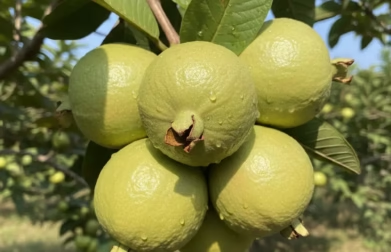
1. Guava and a Very Common Nutritional Misconception
Guava is a familiar presence in the Vietnamese diet. What is lacking is proper recognition of its true value. When a fruit is inexpensive, widely available, and not associated with a “premium” image, it is often excluded from serious discussions about nutrition.
This is a fundamental misconception in how we evaluate food.
If guava is removed from its cultural context and assessed purely through data its vitamin C content, fiber density, glycemic index, and antioxidant compounds it is far from a second-tier choice. In fact, by several nutritional metrics, guava outperforms many fruits that are currently labeled as “superfoods.”
The real question is not whether guava is beneficial, but whether we are consuming it deliberately or carelessly. Is eating guava every day a sound nutritional strategy, or merely an unexamined habit?
This article does not aim to glorify guava. Its purpose is to clarify where guava’s true nutritional value lies, the mechanisms through which it supports health, and the boundaries that should not be crossed when it is consumed regularly. Once preconceived notions are set aside, guava reveals its true nature: a humble fruit that is anything but simple.
2. The Core Nutritional Value of Guava
Before examining specific health benefits, it is essential to understand what gives guava its nutritional strength. Guava is not merely a dessert fruit; it is a naturally concentrated source of vitamins and minerals.
According to data from the USDA (United States Department of Agriculture), 100 g of fresh guava (edible portion) contains:
| Component | Value per 100 g (USDA Data Source) |
|---|---|
| Energy | 80.8 kcal |
| Protein | 2.55 g |
| Total fat | 0.95 g |
| Carbohydrates | 14.30 g |
| Dietary fiber | 5.4 g |
| Vitamin C | 228 mg |
| Potassium | 417 mg |
| Folate (Vitamin B9) | 49 µg |
| Calcium | 18 mg |
This data is compiled from USDA FoodData Central (SR Legacy) and aggregated through nutrition platforms that reference USDA datasets (NutritionDataHub).
Why Is the Vitamin C Content in Guava So Important?
Many people assume that oranges or lemons are the ultimate sources of vitamin C. In reality, guava far surpasses them. A single medium-sized guava can provide more than twice the recommended daily intake (RDI) of vitamin C. This positions guava as a powerful nutritional ally against oxidative stress, premature aging, and immune system decline.
Far from being ordinary, guava’s micronutrient profile places it among the most nutritionally efficient fruits available.
3. Eight Key Benefits of Consuming Guava Regularly
When guava is incorporated into a daily diet in a structured and intentional way, the body can experience a range of notable health benefits.
1. May Support Heart Health
Scientific evidence suggests that guava may play a positive role in blood sugar regulation, a key factor closely linked to cardiovascular health. Multiple experimental studies indicate that guava leaf extract can help reduce blood glucose levels, support long-term glycemic control, and improve insulin sensitivity.
These effects are particularly relevant for individuals with diabetes or those at high risk of metabolic disorders. Importantly, human studies have reported similar outcomes, reinforcing guava’s potential as a natural dietary component for metabolic and cardiovascular support. (1)
2. May Help Lower Blood Sugar Levels
Cell-based and animal studies published in 2020 and 2022 demonstrate that guava leaf extract can reduce blood glucose levels, improve long-term blood sugar control, and decrease insulin resistance.
These findings are especially beneficial for people living with diabetes or those at increased risk of developing the condition. Notably, human trials have also observed comparable effects, highlighting guava’s practical potential in supporting metabolic health. (2)
3. May Help Relieve Painful Menstrual Symptoms
Many women experience abdominal pain and uncomfortable uterine contractions during menstruation. Several studies suggest that guava leaf extract may help alleviate these symptoms.
Research findings indicate that guava leaf extract can reduce the intensity of uterine contractions, help limit menstrual blood flow, and improve overall discomfort during the menstrual cycle. (3)
4. May Benefit Digestive Health
Guava is rich in dietary fiber, making it highly beneficial for the digestive system. Regular consumption helps stimulate bowel movements, promotes digestive regularity, and reduces the risk of constipation. A single guava can provide approximately 12% of the recommended daily fiber intake.
In addition, guava leaf extract has been shown to support gut health. Studies indicate that it may reduce both the severity and duration of diarrhea. Its antibacterial properties can inhibit harmful microorganisms in the digestive tract one of the common causes of gastrointestinal disturbances.(4)
5. May Aid Weight Management
Guava is an excellent choice for individuals pursuing weight management goals. Its high fiber content promotes satiety, helping to reduce appetite and overall calorie intake, while its caloric value remains relatively low.
Unlike many low-calorie foods that lack nutritional density, guava provides a wide range of essential vitamins and minerals, supporting overall health during weight control efforts. (5)
6. May Have Anti-Cancer Potential
Preliminary scientific studies suggest that guava leaf extract may possess anti-cancer properties. Laboratory and animal studies indicate that compounds found in guava leaves can inhibit or slow the growth of certain cancer cells.
These effects are largely attributed to guava’s high concentration of potent antioxidants, which help protect cells from oxidative damage a known contributor to cancer development.
However, despite promising preclinical findings, there is currently insufficient evidence to confirm anti-cancer effects in humans. Further in-depth research and clinical trials are required before definitive conclusions can be drawn. (6)
7. May Help Strengthen the Immune System
Vitamin C deficiency is associated with increased susceptibility to infections and weakened immune function. Guava is one of the richest natural sources of vitamin C, making it highly effective for replenishing this essential nutrient.
A single guava contains approximately 103 mg of vitamin C more than twice the recommended daily intake (45 mg) and significantly higher than that of oranges. Vitamin C plays a critical role in maintaining immune defenses and supporting the body’s ability to fight pathogens.
While vitamin C has not been proven to completely prevent the common cold, research indicates that it may reduce symptom severity. Additionally, vitamin C exhibits antibacterial properties that help combat harmful bacteria and viruses.
Because vitamin C is water-soluble and not stored long-term in the body, regular dietary intake is necessary to maintain optimal immune function. (7)
8. May Be Beneficial for Skin Health
Guava is rich in vitamins and antioxidants that support skin health. These compounds help protect skin cells from free radical damage, slowing the aging process and potentially reducing the formation of wrinkles.
Furthermore, guava leaf extract has shown potential benefits in improving acne when applied topically, due to its antibacterial and soothing properties.
Nevertheless, further scientific research is needed to clearly establish the role of guava and guava leaf extract in long-term skin care and dermatological health. (8)
4. Nutritional Comparison: Guava vs. Common Fruits
To help readers clearly visualize guava’s nutritional advantages, the table below compares key nutrients per 100 g of fresh fruit:
| Nutrient | Guava | Orange | Banana | Apple |
|---|---|---|---|---|
| Vitamin C (mg) | 228 | 53 | 8.7 | 4.6 |
| Dietary fiber (g) | 5.4 | 2.4 | 2.6 | 2.4 |
| Potassium (mg) | 417 | 181 | 358 | 107 |
| Calories (kcal) | 68 | 47 | 89 | 52 |
| Sugars (g) | 8.9 | 9.0 | 12.0 | 10.0 |
Key Insight: As the data clearly illustrates, guava significantly outperforms other well-known fruits in both vitamin C and dietary fiber content, while maintaining a relatively low sugar level. This combination gives guava a distinct nutritional advantage, particularly for individuals seeking nutrient-dense foods without excessive sugar intake.
5. Is Eating Guava Every Day Beneficial? – An Expert Perspective
Returning to the central question: Should guava be consumed daily?
The answer is: YES — but only when consumed correctly and in appropriate amounts.
Incorporating guava into a daily diet can offer substantial health benefits; however, as with any food, excess or improper consumption can be counterproductive. Below are expert-based guidelines for optimal intake.
5.1. Recommended Intake
-
Healthy individuals: 1–2 medium-sized guavas per day is considered ideal.
-
People with diabetes: Limit to 1 guava per day, preferably divided into two smaller portions. It is advisable to peel the fruit and avoid consuming it with sugar-heavy chili salt.
-
People with sensitive stomachs or gastric issues: Consume only the soft flesh, remove all seeds, and avoid eating guava on an empty stomach.
5.2. The Best Time to Eat Guava
-
Between meals (as a snack): Helps maintain energy levels and reduces hunger.
-
Before exercise: Provides natural energy and electrolytes.
-
Not recommended:
-
Right before bedtime (may cause bloating or discomfort)
-
On an empty stomach for those with gastric conditions, due to guava’s mild acidity and tannin content
-
6. Potential Side Effects of Excessive Guava Consumption (Health Advisory)
Despite being highly nutritious, overconsumption or improper use of guava may lead to unintended adverse effects.
6.1. Bloating and Digestive Discomfort
Guava is extremely high in fiber and fructose. Sudden excessive intake (e.g., 4–5 guavas per day) may overwhelm the digestive system, resulting in bloating, gas, and indigestion.
6.2. Stomach and Appendix Concerns (Due to Seeds)
Guava seeds are very hard. If swallowed without thorough chewing, they may cause digestive discomfort or stomach pain.
In rare cases, guava seeds may lodge in the appendix and contribute to inflammation. Although the risk is very low, caution is advised especially for children.
6.3. Oral and Dental Issues
Unripe guava can be quite firm. Biting into hard guava may cause tooth chipping, jaw discomfort, or sensitivity issues.
Additionally, natural sugars in guava can contribute to tooth decay if proper oral hygiene is not maintained.
6.4. Blood Sugar Spikes (If Consumed Improperly)
Although guava has a low glycemic index, excessive intake or pairing it with sugar-rich chili salt can still raise total sugar consumption, which is unfavorable for individuals with diabetes.
7. Nutritious and Enjoyable Ways to Prepare Guava
To avoid monotony and enhance nutritional value, consider diversifying how guava is consumed:
7.1. Fresh Guava Juice
One of the fastest ways to absorb vitamin C.
-
Preparation: Juice fresh guava (remove seeds to protect the juicer). Apples or pineapple may be added for flavor.
-
Note: Consume immediately to prevent vitamin C oxidation. Avoid adding sugar.
7.2. Guava Salad
A refreshing and crunchy appetizer.
-
Preparation: Slice guava into thin strips or cubes and mix with boiled shrimp, sliced pork belly, fresh herbs, peanuts, and sweet-and-sour fish sauce.
-
Benefit: Balanced nutrition (protein + fiber + vitamins).
7.3. Guava Leaf Tea
Not only the fruit, but the leaves are also highly beneficial.
-
Preparation: Steep fresh or dried guava leaves in hot water, similar to green tea.
-
Benefits: Supports blood sugar control, helps reduce blood lipids, and promotes better sleep.
7.4. Guava with Chili Salt
A popular snack choice. For a healthier option, use shrimp salt or Himalayan pink salt in moderation to limit sodium intake.
8. Frequently Asked Questions About Guava (FAQ)
During nutritional consultations, we receive many questions about guava. Below are clear and practical answers to the most common concerns:
Q1: Is guava peel nutritious? Should it be peeled before eating?
A: Guava peel contains the highest concentration of vitamin C and antioxidants in the fruit. If the guava is clean and meets food safety standards (free from pesticide residues), consuming it with the peel is recommended.
However, individuals with diabetes may consider peeling guava to slightly reduce sugar intake, as the peel tends to be sweeter.
Q2: Can eating guava seeds cause appendicitis?
A: As mentioned earlier, the risk is very low. That said, guava seeds are difficult to digest. For safety, they should be chewed thoroughly or partially removed, especially for older adults and children.
Q3: Which is better red-fleshed guava or white-fleshed guava?
A: Both are nutritious and beneficial. Red-fleshed guava generally contains higher levels of lycopene, which is beneficial for cardiovascular health and skin. White-fleshed guava typically has slightly higher vitamin C content and lower sugar levels. The choice depends on individual health goals and usage purposes.
Q4: Is it better to eat guava in the morning or at night?
A: Guava is best consumed in the morning or as a snack between meals. Eating guava late in the evening, close to bedtime, may cause bloating or increased nighttime urination due to its mild diuretic effect.
9. Tips for Selecting and Storing Quality Guava
To fully enjoy both the flavor and nutritional value of guava, knowing how to choose and store it properly is essential.
How to Select Fresh, High-Quality Guava
-
Shape: Choose guavas that are well-shaped and feel firm and heavy for their size. For traditional guava varieties, slightly rough or bumpy skin often indicates better crunch and flavor than overly smooth skin.
-
Color: Guava that is ripe but not overripe typically has a light green color with a slight yellow hue. Guavas that are too green tend to be hard and astringent.
-
Stem and leaves: Select fruits with fresh stems and green leaves still attached, as these are strong indicators of freshness.
Proper Storage Guidelines
-
Ripe guava: Store in the refrigerator’s crisper drawer, wrapped in paper or sealed in a food-safe bag. Consume within 2–3 days for optimal freshness and nutritional quality.
-
Unripe (green) guava: Keep at room temperature to allow natural ripening before refrigeration. Following these simple guidelines will help preserve guava’s texture, taste, and nutritional integrity.
10. Conclusion: Guava A Smart Choice for a Healthy Lifestyle
In summary, eating guava daily can be an exceptionally healthy habit, provided it is consumed in moderation (1–2 fruits per day) and integrated into a balanced diet.
Guava is more than a refreshing snack; it is a “natural vitamin capsule” that supports immunity, weight management, skin health, and disease prevention. With its affordable price and pleasant flavor, there is little reason not to include this “superfood” in your family’s daily menu.
Consider replacing your afternoon milk tea or sugary pastry with a fresh guava today. Your body will thank you for it.
Disclaimer: The information provided in this article is for educational and reference purposes only. If you have specific underlying medical conditions (such as chronic kidney disease requiring potassium restriction or severe gastrointestinal disorders), please consult a qualified healthcare professional before making changes to your diet.
Are you ready to boost your vitamin C intake?
Adding guava to your daily diet is an excellent first step. However, optimal health is achieved through a well-rounded approach that combines a variety of nutrients and healthy lifestyle choices.
Contact us:
📞 Phone / WhatsApp: +84 785 017 575 | +84 778 078 134 | +84 033 531 3567
📧 Email: mia@greatfarmer.com.vn | clay@greatfarmer.com.vn | loan@greatfarmer.com.vn
🌐 Website: www.greatfarmer.com.vn
 Blog & News