Overview of the World’s Most Popular Pineapple Varieties
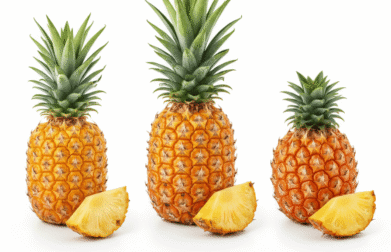
Pineapple is one of the most beloved tropical fruits worldwide, renowned for its crisp texture, refreshing sweetness, light tanginess, and versatility in everything from fresh salads to exotic cocktails, along with its high nutritional value. Among the many pineapple varieties grown globally, three stand out for their quality and popularity: Golden Pineapple, Queen Pineapple, and MD2 Pineapple. Each has its own distinctive characteristics in terms of flavor, texture, appearance, and nutritional profile.
Whether you are a pineapple enthusiast or simply curious about what sets each variety apart especially when it comes to taste you’ve come to the right place. We will dive into a detailed comparison of the three most popular pineapple varieties: Golden, Queen, and MD2. Together, we’ll explore their unique traits, origins, history, cultivation methods, nutritional benefits, and, most importantly, their flavor profiles to help you decide which variety truly reigns supreme in taste.
Whether you’re a fruit lover, a home chef seeking the best pineapple for your recipes, or just intrigued by the diversity of this tropical fruit, choosing the right variety can not only elevate your culinary experience but also impact economic value and storage potential. This article will carefully analyze and compare the three leading pineapple varieties to help you determine which one best suits your needs.
By the end, you’ll clearly understand the strengths of each variety, including sweetness, acidity, aroma, and culinary versatility. We’ll also touch on pineapple growing tips, availability, and the reasons why certain varieties dominate the global market. So, let’s peel back the layers and dive right in!
History and Origin of Pineapple
Pineapple has apparently been cultivated by indigenous people of the tropical Americas and the Caribbean Region for thousands of years. New World explorers then distributed pineapple during the 1500s to 1700s to new areas including Europe, Africa, and Asia.
The commercial export trade began during early 19th century from the West Indies. This led to further commercial development in the Caribbean during the mid-19th century. However, with the improvement in refrigerated sea transportation by the end of the 19th century, production shifted to Hawaii, Asia, and Africa. In the US, Puerto Rico and Hawaii have moderately large and important industries. Pineapples are not grown commercially in Florida but are common dooryard yard plants in warm locations throughout the state. The first recorded introduction of pineapple into Florida was in 1860.(1)
General Overview of Pineapple
Golden pineapple, also known as Smooth Cayenne, is the traditional staple variety in the global pineapple industry, prized for its large size and suitability for canning. The Queen variety is notable for its compact size and strong aroma, while MD2, often called ‘Super Sweet’ or ‘Gold Extra Sweet,’ is a modern hybrid developed for superior flavor and extended shelf life. These varieties differ in size, color, texture, and taste, making them suitable for different purposes.(2)
When comparing Golden, Queen, and MD2 pineapples, the key factors include sweetness (measured in Brix), acidity, fiber content, and overall mouthfeel. Sweetness can be subjective, but consumer preferences generally lean toward less acidic options for a more enjoyable eating experience. According to industry reports, MD2 accounts for more than 50% of the global fresh pineapple export market due to its attractive qualities. But does that make it the best-tasting pineapple? Let’s analyze each variety in detail.
Understanding Pineapple Varieties: Why They Matter
Before diving into the details, it is essential to understand why pineapple varieties differ. Factors such as genetics, soil quality, climate, and breeding techniques influence everything from size and shape to flavor and texture. For example, traditional varieties like Queen have been cultivated for centuries, while modern hybrids like MD2 were developed in the late 20th century to meet global market demands for sweeter, more uniform fruit.
Pineapple cultivation typically involves planting crowns or slips from ripe fruit into well-drained soil that is slightly acidic and receives plenty of sunlight. Harvesting occurs when the fruit reaches optimal ripeness, usually 12–18 months after planting. These differences in breeding and growing conditions lead to variations in sweetness (measured in Brix), acidity, and overall eating experience. In our pineapple variety comparison, we will evaluate how Golden, Queen, and MD2 rank across these factors, helping you choose the best pineapple for your needs, whether for snacking, cooking, or juicing.
Golden Pineapple – The “King” of Traditional Varieties (3)
Overview:
Golden pineapple, often referred to as Hawaiian Gold or a variant of the Smooth Cayenne group, is one of the most widely recognized pineapple varieties. It earns the nickname “Golden” due to its vibrant golden flesh when ripe and its rich tropical flavor. Golden pineapples are typically large, weighing between 1.8 and 4.5 kg, with a cylindrical shape and shallow eyes (the small indentations on the skin). This variety has become a supermarket staple thanks to its attractive appearance and consistent quality.
Physical Characteristics and Appearance:
The skin is greenish-yellow when unripe, turning a bright golden yellow upon ripening. Leaves are smooth and relatively spineless, making harvesting easier and safer. Inside, the flesh ranges from light to deep yellow, is juicy and fibrous, with a larger core compared to other varieties. Its higher fiber content makes it ideal for canning, as it holds its shape well in slices or chunks without falling apart.
Origin and Cultivation:
Originating from South America, Smooth Cayenne was popularized in Hawaii and continues to be grown there, as well as in Mexico, the Philippines, and Vietnam. It thrives in well-drained, slightly acidic soil and typically takes 18 – 24 months to reach maturity. However, it is susceptible to pests and diseases such as nematodes and internal browning, which can affect yield. Golden pineapples are available year-round, with peak season during summer.
Flavor Profile:
In taste tests, Golden pineapples deliver a balanced flavor—sweet with noticeable acidity. Brix levels range from 12° to 16°, and acidity ranges from 0.5–1.0%, creating a refreshing complement to savory dishes like pineapple salsa or grilled pineapple skewers. Its tropical and fruity aroma is pleasant but less intense than Queen. Often described as the “classic pineapple flavor,” it is versatile for smoothies, pizzas, or even for health benefits such as aiding digestion due to bromelain content.
Nutritional Value:
Golden Pineapple is rich in vitamin C (58 mg/100g) and contains the digestive enzyme bromelain, along with minerals like manganese, copper, and thiamine. Its high fiber content particularly supports digestive health effectively.(4)(5)
Queen Pineapple – Petite but Quintessential
The Queen pineapple (Formosa variety, Ananas comosus [Linn.] Merr.) is often hailed as the sweetest pineapple in the world. Smaller in size but more aromatic, it delivers a powerful burst of flavor despite its petite form. Each fruit typically weighs between 450 to 950 grams and is distinguished by its crisp, fragrant sweetness. While best enjoyed fresh, it can also be processed into juice extracts, jams, or dried fruit snacks, making it an ideal choice for single servings or gourmet dishes. Thanks to its intense flavor, it remains a favorite at local markets across Asia and Africa. (6)
Physical Characteristics and Appearance:
Queen pineapples have a conical shape with deep golden skin, sharp diamond-shaped scales, prominent eyes, and spiky leaves. The flesh is bright golden-yellow, crisp, and less fibrous than the Golden variety, with a small, soft, and usually edible core. This crunchy texture creates a satisfying bite that sets it apart in terms of mouthfeel.
Origin and Cultivation:
Originally from South Africa, Australia, and Malaysia, the Queen variety is more cold-tolerant and disease-resistant than Smooth Cayenne. In Vietnam, it is typically grown from November to April. Compact and fast-maturing, the plants produce smaller yields but are easier to cultivate, making them a popular choice for home gardeners. Propagation is usually done through suckers, which makes it accessible even for beginners.
Flavor Profile:
The Queen pineapple is renowned for its sweetness and fragrance, offering a refined, delicate taste that is less tart than Golden. Often described as “honey-like” with floral notes, it is considered the best pineapple to eat fresh. With a high sugar content (15–17° Brix) that never feels cloying, its deep yellow flesh is smooth, low in fiber, and melts in the mouth, delivering a premium eating experience. In recipes, it shines in fruit salads, desserts, or as a topping for yogurt. Its crunchy, low-fiber texture makes it less suitable for canning but perfect for fresh juice and smoothies. (7)
Notably, the Queen pineapple has a unique floral fragrance that distinguishes it from other varieties. A subtle natural acidity balances the sweetness, creating a complex and refined flavor. For those seeking the most aromatic pineapple, this variety is at the top of the list.
Health Benefits:
The Queen pineapple stands out with a higher vitamin C content (65 mg/100 g), along with beta-carotene and powerful antioxidants. It also contains bromelain with high enzymatic activity, which significantly supports protein digestion. (8)
MD2 Pineapple – The Modern Pineapple Marvel
Hybrid Innovation and Outstanding Traits
The MD2 pineapple (commonly branded as Del Monte Gold) is the product of modern hybrid breeding, developed in the 1980s by Del Monte to meet market demand for sweeter and more uniform fruit. (9) Today, it dominates the global export market under brand names such as “Del Monte Gold” or “Honey Gold.” This hybrid revolutionized the pineapple industry with its superior quality and is now regarded as the premium standard, offering exceptional advantages in both taste and shelf life. (10)
Physical Characteristics and Appearance:
MD2 pineapples typically weigh between 1.5 and 2 kg. They have a cylindrical shape with square shoulders and a bright golden-yellow skin when ripe. The flesh is rich golden-yellow, juicy, and low in fiber, with a small, tender core. The leaves are spineless, similar to the Golden variety.
Origin and Cultivation:
Bred from Smooth Cayenne, MD2 was officially introduced in Costa Rica in 1996 and is now cultivated across Central America, Africa, and Asia. It has a shorter growth cycle (about 12 months) and a longer shelf life—up to 30 days—making it ideal for international shipping. However, it is more susceptible to certain diseases such as Phytophthora. In Vietnam, MD2 is typically harvested from May to July.
Flavor Profile:
MD2 is renowned as the sweetest pineapple, with a Brix level of 15–17° and very low acidity (0.4–0.45%), resulting in a rich, candy-like flavor without sourness. Its flesh is juicy and aromatic, often described with subtle coconut or honey notes. Perfect for desserts, fruit salads, or eating fresh, MD2 is less suited to savory dishes due to its pronounced sweetness. Its highlight is a gentle yet alluring aroma—less intense than Golden and less floral than Queen. When eaten, MD2 delivers a melt-in-the-mouth experience with a refreshing, lingering sweetness. (11)
Storage and Transport Advantages:
MD2 stands out for its exceptional post-harvest qualities, retaining premium freshness for 14–21 days under normal conditions. This makes it the top choice for export and international trade.
MD2 vs. Queen Pineapple:
When compared, MD2 excels in consistency and shelf life, while Queen outshines it with superior crispness.
Detailed Comparison of Three Pineapple Varieties
To make decision-making easier, here is a detailed comparison of pineapples across the key attributes:
| Attribute | Golden Pineapple | Queen Pineapple | MD2 Pineapple |
|---|---|---|---|
| Size / Weight | Medium–large (2–4 lbs) | Small (1–2 lbs) | Medium (2–3 lbs) |
| Appearance | Cylindrical, golden skin | Conical, spiky leaves | Uniform shape, bright yellow |
| Sweetness (Brix) | 12–16 | 15–18 | 15–17 |
| Acidity | Moderate | Low | Very low |
| Texture | Juicy, fibrous | Crisp, tender core | Crisp, low fiber |
| Aroma | Fresh, tropical | Strong, floral | Sweet, mild |
| Shelf Life | Good (7–10 days) | Shorter (5–7 days) | Excellent (up to 30 days) |
| Best Uses | Grilling, canning | Fresh eating, salads | Fresh consumption, juicing, export |
| Cultivation Areas | Hawaii, Vietnam | Vietnam, India, South Africa | Costa Rica, Africa, Vietnam |
Flavor and Eating Experience
Golden Pineapple delivers a traditional flavor, perfectly balancing sweetness and acidity with a strong, distinctive aroma. It is an excellent choice for those who appreciate the classic taste of pineapple.
Queen Pineapple stands out with its high sweetness and delicate fragrance, ideal for consumers with refined palates who enjoy a touch of elegance in their culinary experience.
MD2 Pineapple offers the most premium experience, with a smooth texture, rich sweetness, and superior shelf life.
Nutritional Value
All three varieties share a similar nutritional profile, being rich in vitamin C, manganese, and bromelain—an enzyme that supports protein digestion. One cup of pineapple provides about 131% of the daily recommended intake of vitamin C, boosting immunity and promoting skin health. They are also a good source of dietary fiber for gut health and antioxidants that help reduce inflammation. The higher sugar content of MD2 may make it slightly more calorie-dense, but all three are naturally low in fat and highly hydrating. (11) (12)
-
Golden: Higher in fiber, excellent for digestion
-
Queen: Rich in antioxidants, supports immunity
-
MD2: Offers optimal nutritional balance, with lower acidity
Culinary Uses and Applications
Golden Pineapple is well-suited for fresh eating, juicing, and traditional dishes. Its bold flavor pairs perfectly with savory recipes such as pineapple-grilled meat or pineapple-infused fish cakes.
Queen Pineapple is an excellent choice for fresh consumption, gourmet garnishing, or desserts. Its compact size makes it easy to use and reduces waste.
MD2 Pineapple is versatile for all purposes—from fresh eating and cooking to long-term storage. Its smooth texture makes it particularly suitable for children and the elderly.
Growing Conditions and Availability
Climate and Soil Requirements
Golden Pineapple adapts well to tropical and subtropical climates, thriving at temperatures of 24–30°C with 70–85% humidity. It is relatively easy to cultivate and has good resistance to pests and diseases.
Queen Pineapple requires more demanding growing conditions, including a stable climate and careful management. Its cultivation cycle is longer, typically taking 18–24 months from planting to harvest.
MD2 Pineapple is cultivated under high-tech standards, requiring professional care and optimal climate conditions to ensure consistent quality and yield.
Production and Distribution
Currently, Golden remains the most widely cultivated variety in Vietnam, with large planting areas concentrated in the southern provinces and the Central Highlands. Queen is grown on a smaller scale, mainly serving the premium domestic market. MD2, though still limited in availability, is being increasingly expanded to meet the demand for export.
Seasonal Availability
Golden has the highest year-round availability thanks to its wide cultivation area.
Queen has a more defined seasonality and can be scarce at certain times of the year.
MD2 offers stable supply due to tightly controlled production processes.
How to Select and Store Each Pineapple Variety
Criteria for Choosing Quality Fruit
Golden Pineapple: Look for fruits with evenly golden skin, a natural sweet aroma at the base, and fresh green crowns. A ripe fruit often allows a leaf from the crown to be pulled out easily.
Queen Pineapple: Choose fruits with a deep golden-orange color, a slightly soft feel when gently squeezed, a delicate fragrance, and free from bruises or blemishes.
MD2 Pineapple: Select fruits with a uniform bright golden-yellow skin, free of green patches. The crown should be short and firm, and the fruit should feel heavy for its size.
Optimal Storage Methods
Golden Pineapple: Should be consumed within 3–5 days after purchase for the best flavor and freshness.
Queen Pineapple: Can be stored for 5–7 days at room temperature or up to 10–14 days in the refrigerator.
MD2 Pineapple: Offers the best shelf life, maintaining premium quality for 2–3 weeks under proper storage conditions.
Delicious Recipes with Pineapple Varieties
Elevate your meals with these ideas:
- Golden Pineapple Skewers: Cut Golden pineapple into chunks, skewer with chicken, and grill for a caramelized sweetness. Serves 4; prep time 20 minutes.
- Queen Pineapple Salsa: Dice Queen pineapple with tomatoes, onions, and cilantro for a tangy dip. Perfect for tacos.
- MD2 Pineapple Smoothie: Blend MD2 pineapple chunks with yogurt and banana for an ultra-sweet breakfast. High in protein and vitamins.
- Pineapple Wellness Tea: Boil the peel from any variety to create an antioxidant-rich drink.
Flavor Comparison: Golden vs. Queen vs. MD2
When it comes to pineapple flavor, each variety offers its own unique character:
Golden (Smooth Cayenne) delivers a balanced sweet–tart profile, making it ideal for cooking where acidity enhances flavor—think stir-fries or cocktails. Its firm texture holds up well under heat, making it the best pineapple for grilling.
Queen excels in fresh applications, with crisp sweetness and an aromatic fragrance that never feels overwhelming. In blind taste tests, it is often praised for both aroma and texture, sometimes described as a cross between pineapple and pear.
MD2, however, is the crowd favorite for pure sweetness. With higher vitamin C than some varieties and minimal acidity, it is often likened to eating candy in fruit form. In consumer surveys, MD2 consistently ranks as the best-tasting pineapple thanks to its juicy, uniform flavor.
Conclusion: Which Pineapple Variety Is the Best?
After a detailed comparison of the three leading pineapple varieties—Golden, Queen, and MD2—the answer to “Which one is the best?” ultimately depends on personal preference and intended use:
-
MD2 Pineapple stands out as the overall winner, thanks to its consistently sweet flavor, smooth texture, and superior shelf life. It is the top choice for those seeking a premium, high-quality eating experience.
-
Queen Pineapple is perfect for pineapple lovers who prefer intense sweetness with a delicate aroma. Though smaller in size, Queen offers a truly refined culinary value.
-
Golden Pineapple remains the “king” of traditional varieties. Its familiar sweet–tart balance, affordable price, and year-round availability make it a reliable choice for the majority of consumers.
In the end, the “best” pineapple depends on your budget, taste preference, and purpose. Each variety brings its own strengths to the table, and the key to the best dining experience lies in choosing fresh, high-quality fruit from trusted sources.
At Great Farmer, we bring you the most flavorful and high-quality pineapples Golden, Queen, and MD2 carefully grown and exported to meet global standards. Our fruits are cultivated with care, delivering the perfect balance of sweetness, aroma, and freshness.
Contact us :
Phone/Whatsapp : +84 785017575 ( Minh)
Email: mia@greatfarmer.com.vn
Website: https://www.greatfarmer.com.vn
 Blog & News